
Low testosterone affects thousands of men in California and across the United States. If you are noticing fatigue, low libido, muscle loss, weight gain, or mood shifts, learning how to navigate diagnosis and treatment can restore quality of life. This guide lays out practical steps, evidence-informed protocols, and local considerations for men exploring testosterone replacement therapy, or TRT.
This article covers what symptoms to watch for, exactly which lab tests to order, common TRT dosing strategies, the role of human chorionic gonadotropin – HCG – for fertility preservation, safety monitoring, and natural ways to support healthy testosterone. It also explains the patient journey so you know what to expect at each step when seeking care in California cities like Los Angeles, San Diego, San Francisco, and Sacramento.
Understanding Low Testosterone and Symptoms
Testosterone declines gradually with age for many men, but symptoms vary widely. Key symptoms include erectile dysfunction or reduced morning erections, diminished sexual desire, persistent fatigue, increased body fat, loss of lean muscle mass, and depression or irritability. Some men report cognitive slowing and reduced motivation.
Symptoms alone are not diagnostic. Clinical context matters: chronic illness, medications, sleep apnea, and depression can mimic low testosterone. A careful history and targeted labs are essential before considering treatment.
When and How to Test
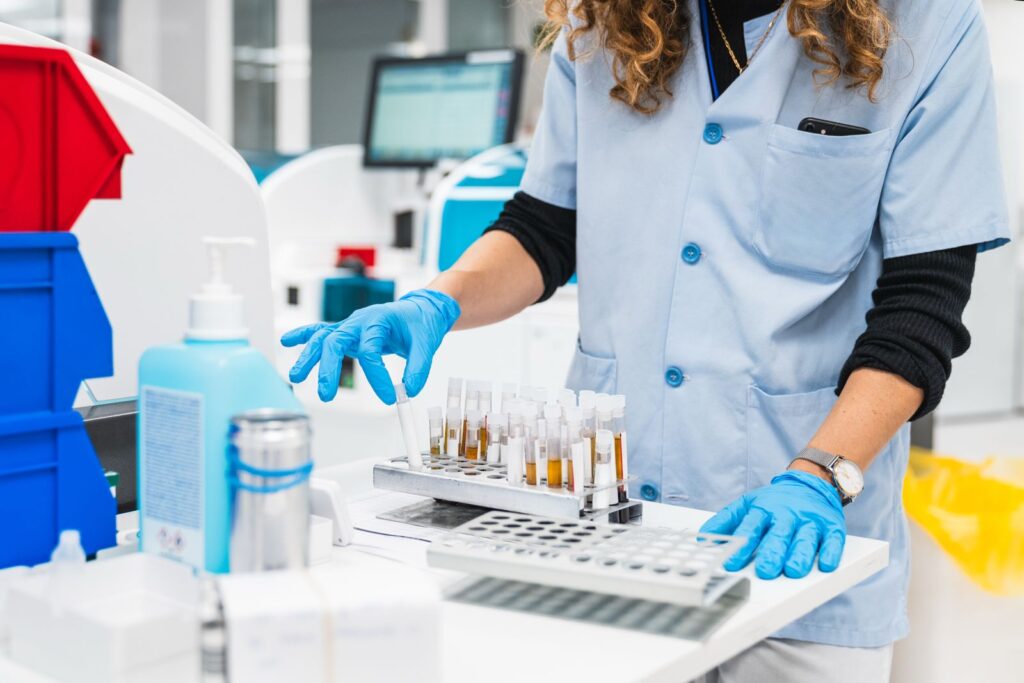
Testing should begin with morning blood draws, ideally between 7:00 and 10:00 am, when testosterone is highest. Most clinicians order two separate total testosterone measurements at least one week apart to confirm persistently low levels.
Common labs to order include:
- Total testosterone – morning sample
- Free testosterone or calculated free testosterone
- Sex hormone binding globulin – SHBG
- Luteinizing hormone – LH and follicle stimulating hormone – FSH
- Prolactin if symptoms suggest pituitary disease
- CBC, CMP – to assess liver, kidney and metabolic status
- PSA and digital rectal exam for men over 40 or with prostate risk factors
- Lipid panel and fasting glucose or HbA1c
Target testosterone ranges can differ by lab, but many TRT providers aim for a total testosterone between 400-800 ng/dL while monitoring symptoms and labs rather than a single number.
TRT Protocols and Practical Dosing
TRT is individualized. Route of administration, dosing frequency, and patient goals determine the protocol. Below are common approaches used by experienced clinicians.
Intramuscular injections
Testosterone cypionate or enanthate is commonly used. Typical starting regimens are 50-100 mg twice weekly or 100-200 mg every 7-10 days. Splitting doses into twice-weekly injections reduces peaks and troughs and often improves symptom control and mood stability.
Topical gels and transdermals
Topical gels provide steady daily dosing and are convenient for many men. Gels are typically dosed to provide a daily testosterone replacement equivalent to injections, but adherence and transfer risk to partners or children must be considered.
Pellets and oral options
Pellet therapy involves subcutaneous implants that release testosterone over 3-6 months. Some men prefer pellets for convenience, but dosing is less flexible and removal is invasive. Oral testosterone undecanoate is available in certain countries and formulations, but monitoring for liver and lipid effects is required.
HCG Therapy and Fertility Preservation
Many men on TRT worry about fertility. Exogenous testosterone can suppress testicular function and sperm production by lowering LH and FSH. Human chorionic gonadotropin, or HCG, mimics LH and can maintain intratesticular testosterone and sperm production when used concurrently.
Common HCG strategies include 250-500 IU every other day or 500 IU 2-3 times per week, titrated based on labs and symptoms. For men actively seeking pregnancy, a combination of HCG with selective use of gonadotropins such as FSH may be recommended by a reproductive urologist.
Safety, Labs, and Monitoring
Safety monitoring is critical during TRT. After initiating therapy, clinicians typically repeat labs at 4-8 weeks to assess testosterone level and adjust dose, then every 3-6 months for the first year, and annually thereafter if stable.
Key monitoring items include:
- CBC to watch hematocrit and hemoglobin. Many providers hold or adjust dose if hematocrit rises above 52-54 percent.
- PSA and DRE for prostate safety in men over 40 or with risk factors.
- Liver chemistry and metabolic labs as indicated.
- Estradiol, if symptoms of high estrogen occur such as breast tenderness; aromatase inhibitors or dose adjustments may be used sparingly.
Discuss cardiovascular risk openly. Current evidence shows mixed associations between TRT and cardiovascular events, so individualized risk assessment and optimization of blood pressure, lipids, and glucose are important.
Natural Strategies to Support Testosterone
Some men prefer to combine medical therapy with lifestyle measures that can support testosterone and overall health. These changes help treatment outcomes and may reduce medication needs for some men.
- Sleep: Aim for 7-9 hours nightly. Short sleep duration lowers testosterone.
- Resistance training: Progressive weight training 2-4 times weekly raises testosterone and improves body composition.
- Nutrition: Sufficient protein, healthy fats, and correction of vitamin D or zinc deficiency.
- Weight loss: Reducing visceral fat through calorie control and exercise can raise endogenous testosterone.
- Limit alcohol and avoid opioid medications: Both can suppress testosterone production.
Choosing a Provider and What to Expect in California
When seeking TRT in California, choose a licensed clinician with endocrinology, urology, or men’s health experience. Telemedicine clinics are available across the state, but in-person evaluation is important for baseline exams and DREs when appropriate.
In cities like Los Angeles, San Diego, San Francisco, and Sacramento, clinics often offer comprehensive packages that include initial consultation, baseline labs, a personalized TRT protocol, and follow-up monitoring. Ask about experience with fertility-preserving approaches and whether HCG is offered if you want children in the future.
Patient Journey: From First Visit to Maintenance
Typical steps include an initial medical history and physical exam, morning labs, a second confirmatory lab, and a shared decision about treatment options. After starting therapy, expect dose adjustments at 4-8 weeks, symptom tracking, and routine safety labs.
Be prepared to communicate changes in mood, sexual function, and energy levels. Keep a symptom diary for your provider and bring all medications and supplements to visits. If you move within California, request a detailed treatment summary to share with your new clinician.
Real-World Example
Case scenario: A 45-year-old man from San Diego presents with low libido, fatigue, and a morning total testosterone of 260 ng/dL. His provider repeats a morning level at 240 ng/dL, orders SHBG and LH, and reviews CBC and PSA. After discussing options, they start testosterone cypionate 50 mg twice weekly and HCG 250 IU every other day to preserve fertility. At 8 weeks his total testosterone is 520 ng/dL, symptoms improve, and hematocrit is 44 percent. The regimen is continued with planned labs at 3 months.
This example highlights stepwise testing, individualized dosing, and combined HCG use when fertility is a concern.
Frequently Asked Questions
How is low testosterone diagnosed?
Low testosterone is diagnosed with two separate morning blood tests showing low total testosterone, combined with a consistent symptom profile. Additional labs such as SHBG, LH, and prolactin help identify the cause and guide treatment.
Will TRT affect my fertility?
Yes, exogenous testosterone can suppress sperm production and reduce fertility. Using HCG during TRT can preserve intratesticular testosterone and support sperm production for men who want to maintain fertility.
What are the common TRT side effects?
Common side effects include increased hematocrit, fluid retention, acne, and mood changes. Providers monitor blood counts, PSA, and labs to manage side effects and reduce risk.
How long until I feel better on TRT?
Some men notice energy and mood changes within 2-4 weeks, while improvements in libido, erections, and muscle mass often appear by 8-12 weeks. Full benefits may take 3-6 months with consistent treatment and lifestyle changes.
Can I use TRT if I have a history of prostate cancer?
Men with active prostate cancer are usually not candidates for TRT. For those with a history of localized prostate cancer, decisions require careful discussion with a urologist and oncologist to weigh risks and benefits.
Where can I find reputable TRT providers in California?
Look for board-certified endocrinologists, urologists, or primary care doctors with men’s health experience. Verify clinic reviews, ask about lab and monitoring protocols, and confirm experience with fertility-preserving strategies like HCG.
Conclusion
Navigating testosterone replacement therapy requires accurate diagnosis, individualized treatment planning, and ongoing monitoring. Whether you are seeking improved energy, sexual function, or muscle recovery, work with a qualified California clinician to choose the safest, most effective approach. Combine evidence-based TRT protocols with lifestyle optimization for the best long-term outcomes, and discuss fertility-preserving options up front if you plan to have children.
Disclaimer
This blog is for informational and educational purposes only and does not constitute medical advice, diagnosis, or treatment. The content provided is based on general health information and research available as of the publication date. Individual health conditions vary, and what works for one person may not be appropriate for another.
Always consult with a qualified healthcare provider before starting any new treatment, including testosterone replacement therapy (TRT), making changes to existing treatments, or if you have questions about your specific health condition. Never disregard professional medical advice or delay seeking it because of information you read on this blog.
If you are experiencing a medical emergency, call 911 or your local emergency services immediately. The information on this website does not create a doctor-patient relationship and should not be used as a substitute for professional medical advice, diagnosis, or treatment.