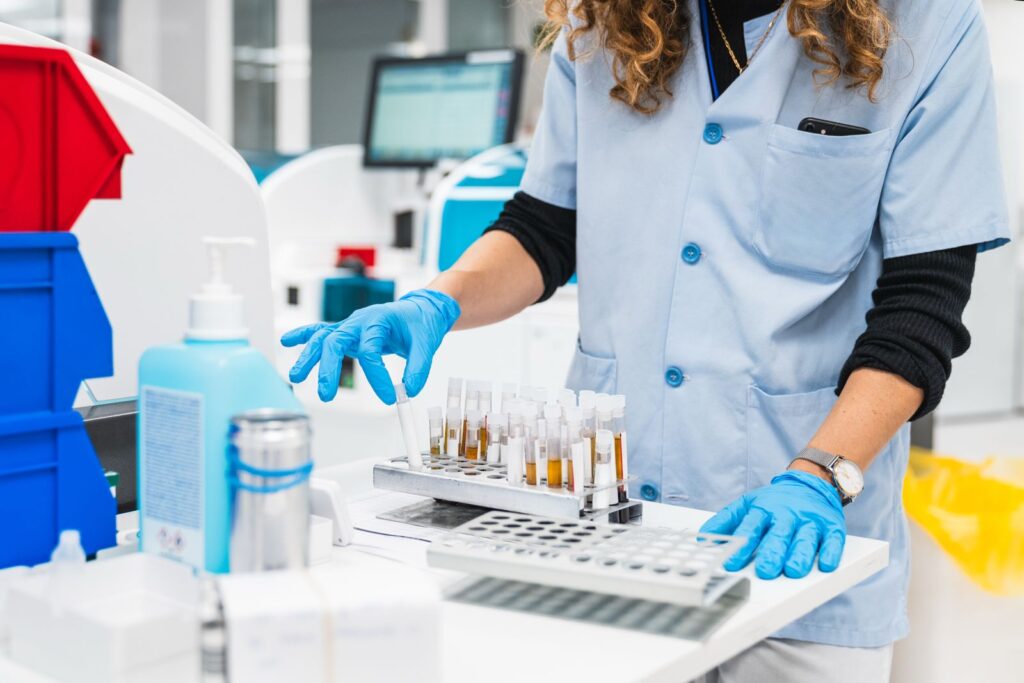


If you are a man in California considering testosterone replacement therapy (TRT), this guide walks you through a safe, evidence-based path from first symptoms to monitored treatment. You will learn how to recognize low testosterone signs, what tests to order, how common treatment protocols work, and how to protect fertility and overall health while on therapy.
This article focuses on practical steps, clear examples, and local considerations for California patients. It explains when to see a clinician, what labs matter, how HCG fits into therapy, and lifestyle changes that improve outcomes. Read on for a step-by-step approach you can discuss with a primary care doctor, urologist, or endocrinologist.
Step 1: Recognize the symptoms and self-assess
Low testosterone presents with consistent patterns. Common symptoms include low libido, erectile dysfunction, fatigue, unexplained weight gain, loss of muscle mass, and mood changes like low motivation or irritability.
Use a simple checklist before booking labs: note energy levels, sexual function, sleep quality, body composition, and cognitive focus over 3-6 months. If you have >3 symptoms, consider testing. This helps clinicians prioritize diagnostic steps and rules out transient causes.
Step 2: Prepare for accurate lab testing
Timing and the right panel matter. Testosterone follows a diurnal rhythm. For most men, draw labs between 7:00 and 10:00 AM on two separate mornings when possible. Fasting is not strictly required but many clinics recommend it to reduce variability.
Essential lab panel
- Total testosterone (two tests on separate mornings)
- Free testosterone or calculated free testosterone (with SHBG)
- Sex hormone binding globulin (SHBG)
- Luteinizing hormone (LH) and follicle stimulating hormone (FSH)
- Prolactin
- CBC, CMP (liver, kidney, electrolytes), and fasting lipids
- PSA and digital rectal exam if age >40 or family history of prostate cancer
Example interpretation: total testosterone <300 ng/dL with low-normal LH suggests primary versus secondary hypogonadism. Elevated prolactin or abnormal LH/FSH patterns require endocrine evaluation. Discuss lab reference ranges with your provider, as labs differ.
Step 3: Choose a clinician and discuss protocols
In California you can find TRT through primary care, urology, or specialty clinics. Choose a provider who follows evidence-based protocols, orders baseline labs, monitors therapy regularly, and documents informed consent.
Common TRT delivery methods include intramuscular injections, subcutaneous injections, transdermal gels, and pellets. Each has pros and cons: injections give predictable levels, gels are convenient but risk transference, and pellets require minor procedures.
Typical dosing examples
- Intramuscular testosterone cypionate or enanthate: 50-200 mg weekly or 100-200 mg every 2 weeks, adjusted to maintain target levels
- Testosterone gel: 25-100 mg daily depending on formulation and absorption
- Pellets: individualized dosing every 3-6 months with provider insertion
Targets aim for a physiologic male range, commonly a total testosterone of approximately 400-700 ng/dL, while avoiding supraphysiologic peaks. Your provider should tailor dose based on symptoms, labs, and side effects.
Step 4: Consider fertility and HCG therapy
If you want biological children, discuss fertility before starting TRT. Exogenous testosterone suppresses the hypothalamic-pituitary-gonadal axis and can reduce sperm production.
Human chorionic gonadotropin (HCG) is commonly used to preserve or restore fertility while on TRT. HCG mimics LH and stimulates intratesticular testosterone, supporting spermatogenesis.
Practical HCG examples
- HCG dosing often ranges from 500-2000 IU two to three times weekly when fertility preservation is a goal
- Some men use HCG alone as an alternative to TRT when trying to maintain fertility, especially younger men
Work with a fertility-minded specialist for sperm analysis and an individualized HCG plan. Remember that recovery of sperm count after stopping TRT can take months to more than a year.
Step 5: Safety monitoring and follow-up schedule
Safety monitoring is non-negotiable. After initiating TRT, plan labs at 6-12 weeks to assess testosterone, hematocrit, and PSA when indicated. Then monitor every 3-6 months in the first year, and annually thereafter if stable.
- Hematocrit: monitor for polycythemia; target hematocrit <52 percent
- PSA: baseline and periodic checks per age and risk
- Liver function and lipids: check baseline and as needed
If hematocrit rises above 52 percent, reduce dose, increase interval, or consider therapeutic phlebotomy. If PSA elevates, evaluate for prostate pathology before continuing therapy.
Step 6: Combine therapy with lifestyle changes
TRT is most effective when combined with targeted lifestyle interventions. Address sleep, weight, diet, exercise, and alcohol intake to maximize benefits and limit side effects.
- Resistance training – 3-4 sessions per week to regain muscle mass
- High-quality protein intake and adequate calories for muscle recovery
- Sleep hygiene – aim for 7-9 hours nightly to support hormonal regulation
- Limit alcohol and quit smoking to reduce metabolic and cardiovascular risk
Also consider vitamin D optimization, treating obstructive sleep apnea if present, and managing insulin resistance. These steps can improve natural testosterone production and amplify TRT outcomes.
Step 7: Understand risks, side effects, and realistic outcomes
Common benefits include increased energy, improved libido, better mood, and muscle recovery. Results vary by age, baseline health, and adherence to protocol.
Possible side effects include acne, sleep apnea worsening, increased hematocrit, and changes in cholesterol. Rarely, therapy may unmask prostate disease. Discuss these risks and how your clinic will monitor them.
Local considerations for California patients
California has broad access to specialty clinics but also variable insurance coverage. Check whether your plan covers labs, injections, or specialist visits. Telemedicine options can help with follow-up and dosing adjustments, while in-person visits remain necessary for procedures like pellet placement or phlebotomy.
Look for California clinics that publish detailed protocols, include HCG options for fertility, and provide transparent lab monitoring schedules. Ask about emergency access if you develop concerning symptoms like rapid shortness of breath or chest pain.
Practical example timeline
- Week 0: Symptom checklist, primary labs drawn between 7:00 and 10:00 AM
- Week 1-2: Clinic visit to review labs, discuss options, and obtain informed consent
- Week 3: Start therapy – choose injections, gel, or pellets; include HCG if fertility matters
- Week 10-12: Recheck testosterone, hematocrit, CMP; adjust dose as needed
- Every 3-6 months: Ongoing symptom review and labs; yearly PSA if age appropriate
Frequently Asked Questions
How do I know if my testosterone is low?
Test low testosterone if you have persistent symptoms such as low libido, fatigue, and muscle loss. Confirm with two morning total testosterone tests and additional hormones like LH, FSH, SHBG, and prolactin to determine the cause.
Will TRT affect my fertility?
Yes, exogenous testosterone commonly suppresses sperm production. If you may want children, discuss HCG or alternative therapies with your provider before starting TRT to preserve fertility.
How often should labs be repeated after starting TRT?
Recheck testosterone and hematocrit at 6-12 weeks after initiation, then every 3-6 months in the first year. If stable, many clinicians switch to monitoring every 6-12 months.
Can I use HCG instead of TRT to raise testosterone?
HCG can raise endogenous testosterone and support fertility in men with secondary hypogonadism. It may be suitable for some men, but clinicians often use it alongside TRT when fertility preservation is needed.
Are there natural ways to boost testosterone?
Certain lifestyle changes can modestly increase testosterone: regular resistance training, weight loss for men with obesity, quality sleep, vitamin D supplementation when deficient, and treating sleep apnea. These methods complement medical therapy but may not replace TRT in men with true hypogonadism.
Is TRT safe long term?
Long-term TRT can be safe with proper monitoring for hematocrit, PSA, and metabolic effects. Work with a clinician who provides regular labs and adjusts therapy based on risk and benefit.
Can I drive or work while on TRT?
Yes. TRT does not impair the ability to drive or work. However, report side effects such as severe mood changes or unexpected fatigue to your clinician promptly.
Starting TRT in California requires a thoughtful plan, evidence-based testing, and ongoing monitoring. Use this guide to prepare for informed conversations with a qualified provider. If you suspect low testosterone, schedule an early-morning lab and follow up with a clinician who prioritizes safety, fertility preservation, and clear outcome goals.
Disclaimer
This blog is for informational and educational purposes only and does not constitute medical advice, diagnosis, or treatment. The content provided is based on general health information and research available as of the publication date. Individual health conditions vary, and what works for one person may not be appropriate for another.
Always consult with a qualified healthcare provider before starting any new treatment, including testosterone replacement therapy (TRT), making changes to existing treatments, or if you have questions about your specific health condition. Never disregard professional medical advice or delay seeking it because of information you read on this blog.
If you are experiencing a medical emergency, call 911 or your local emergency services immediately. The information on this website does not create a doctor-patient relationship and should not be used as a substitute for professional medical advice, diagnosis, or treatment.