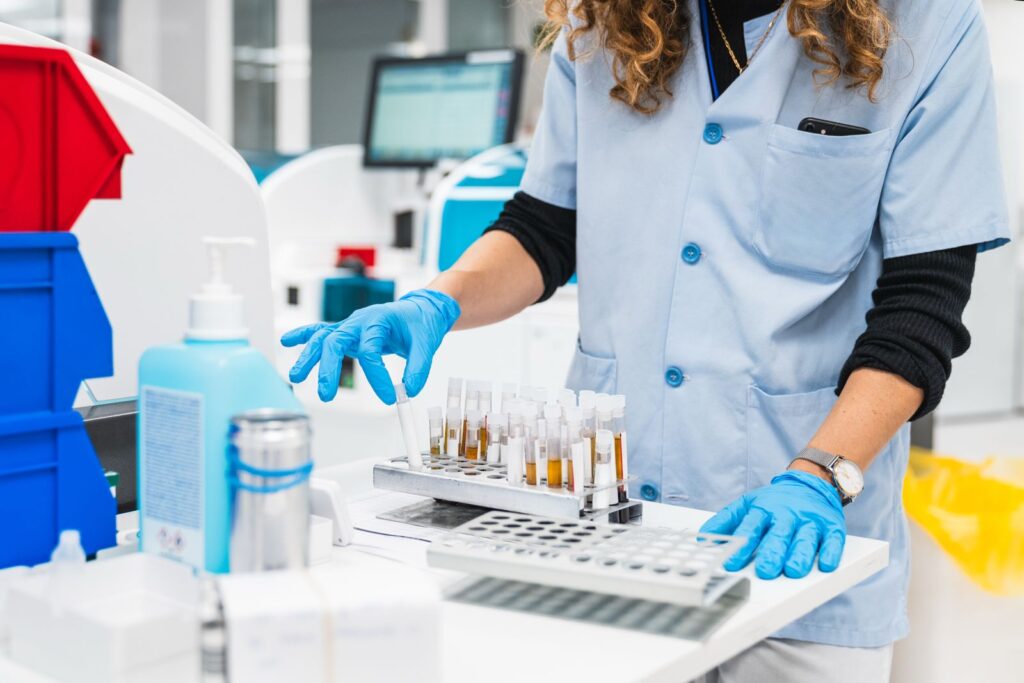


Low testosterone is common and treatable, but starting therapy is a process that should be planned. This guide explains how to recognize symptoms, get the right labs, choose a protocol, and manage fertility and safety when pursuing testosterone replacement therapy in California.
If you are experiencing fatigue, low libido, erectile dysfunction, muscle loss, or mood changes, this article gives clear, actionable steps to move from suspicion to a supervised TRT plan. Expect practical details on labs, dosing options, HCG use, cost estimates, and monitoring specific to California clinics and telemedicine services.
Recognize the signs and self-assess
Begin with a focused symptom checklist. Common signs include reduced libido, difficulty maintaining erections, persistent fatigue, unexplained weight gain or loss of muscle mass, and mood swings.
Use a brief self-assessment at home: track libido, sleep quality, energy levels, and physical performance for two to four weeks. Documenting symptoms and timelines makes initial medical appointments far more productive.
Which labs to order and when to test
A correct diagnosis requires morning blood work and a comprehensive panel. Ask for tests drawn between 7:00 and 10:00 AM when testosterone peaks.
Essential labs include:
- Total testosterone and free testosterone
- Sex hormone binding globulin (SHBG)
- Luteinizing hormone (LH) and follicle-stimulating hormone (FSH)
- Estradiol (E2)
- Prostate specific antigen (PSA), complete blood count (CBC), and comprehensive metabolic panel (CMP)
Additional useful tests: fasting glucose or HbA1c, lipid panel, vitamin D, and sleep apnea screening if clinically suspected. In California, many labs allow low-cost, self-pay testing through direct-access lab services if insurance is not covering evaluation.
Interpreting results and diagnosis
Low labs plus symptoms are necessary to diagnose hypogonadism. Most clinicians look for consistently low morning total testosterone on at least two separate tests, or an abnormal free testosterone with supportive symptoms.
Low LH suggests secondary hypogonadism, which changes treatment decisions. High LH implies primary testicular failure and may require additional evaluation by an endocrinologist or urologist.
Choose a TRT protocol: injections, gels, or pellets
Selecting a delivery method depends on goals, cost, convenience, and side-effect profile. Common options include intramuscular injections, transdermal gels, and subcutaneous pellets.
Typical injection protocols used by California clinics are:
- 100-200 mg weekly given as one injection, or
- 50-100 mg twice weekly to reduce testosterone peaks and troughs
Target therapeutic ranges often aim for mid-normal testosterone, typically 400-700 ng/dL. Gels deliver daily steady dosing but can be costly and risk transfer to partners. Pellets provide long-acting release but require minor office procedures and have less flexible dosing.
HCG therapy and fertility preservation
If you want to preserve or restore fertility, discuss human chorionic gonadotropin (HCG) before starting standard TRT. HCG mimics LH and stimulates intratesticular testosterone production, supporting sperm production while on exogenous testosterone.
Common HCG dosing is 250-500 IU two to three times weekly when combined with TRT. For men actively trying to conceive, options include HCG alone or combined with clomiphene citrate depending on the endocrine picture. Coordinate with a reproductive urologist when fertility is a priority.
Costs, insurance, and California-specific options
Costs vary widely across California. Many private TRT clinics offer monthly membership pricing, while established endocrinologists bill insurance for office visits and labs when medically indicated.
Ballpark out-of-pocket estimates include laboratory panels $100-400, initial consultation $100-300 with telemedicine often cheaper, and medication costs $50-300 per month depending on formulation and compounding. Clinics in major metro areas like Los Angeles, San Diego, and San Francisco may be slightly higher in price, but often offer lab facilitation and telehealth follow-up to reduce travel time.
Monitoring schedule and safety checks
Monitoring is critical for safety and effectiveness. A typical schedule is baseline labs, then recheck at 6-12 weeks after initiation or dosage change, and again at 6 months. After stability, check labs annually or more often if symptoms or side effects emerge.
Key safety targets and checks:
- Maintain hematocrit below 52 percent to avoid polycythemia
- Monitor PSA and digital rectal exam as indicated by age and history
- Watch estradiol for signs of increased aromatization such as gynecomastia
- Assess blood pressure, lipids, and sleep apnea risk
Managing side effects and red flags
Common side effects include increased hematocrit, mood changes, and fluid retention. Minor side effects can often be managed by dose adjustment, switching delivery method, or adding medications such as aromatase inhibitors when appropriate.
Seek immediate care for severe chest pain, sudden shortness of breath, or neurologic symptoms as these are potential medical emergencies. If hematocrit rises above recommended thresholds, many clinics pause therapy or perform therapeutic phlebotomy.
Choosing a provider in California
Look for board-certified endocrinologists, urologists, or primary care physicians experienced in hormone therapy. Ask about experience with fertility preservation, HCG protocols, and their monitoring algorithms.
Telemedicine clinics can be a good fit for maintenance follow-up if they coordinate local blood work. Verify whether the clinic partners with local labs and pharmacies to streamline care.
A balanced approach: lifestyle and natural support
Combine medical therapy with lifestyle changes to maximize benefit. Evidence supports resistance training, adequate protein intake, weight management, quality sleep, and vitamin D optimization as complementary measures.
Specific actions you can take now include:
- Start a progressive resistance program 3 times per week
- Prioritize 7 to 9 hours of sleep and address sleep apnea if suspected
- Address nutrition – aim for a balanced diet and a 500-calorie deficit if weight loss is needed
- Check vitamin D and correct deficiency, and consider zinc if levels are low
Patient journey checklist to start TRT in California
Use this checklist to move from concern to treatment with confidence.
- Document symptoms for 2-4 weeks
- Obtain morning testosterone and full hormone panel
- Consult a qualified provider and discuss fertility goals
- Decide on delivery method and HCG strategy if needed
- Begin therapy with a clear monitoring schedule and safety checks
- Follow up at 6-12 weeks and adjust therapy based on labs and symptoms
Frequently Asked Questions
How do I know if I need TRT?
Look for persistent symptoms such as low libido, erectile dysfunction, fatigue, and muscle loss. Confirm with morning labs showing low total or free testosterone on at least two separate tests and discuss results with a qualified clinician.
What lab tests are required before starting TRT?
Essential tests include morning total testosterone, free testosterone or SHBG, LH, FSH, estradiol, CBC, CMP, and PSA when indicated. Additional tests like lipid panel, HbA1c, and vitamin D are often helpful for risk assessment.
Will TRT affect my fertility?
Yes, standard exogenous testosterone can suppress sperm production and reduce fertility. Men who want to preserve fertility should discuss HCG or alternative fertility-preserving protocols before starting TRT.
How much does TRT cost in California?
Costs vary by clinic and treatment type. Expect lab panels $100-400, consultations $100-300, and medication costs $50-300 monthly depending on form and whether compounding is used.
What are the main risks of TRT?
Potential risks include increased hematocrit, erythrocytosis, changes in lipid profile, elevated estradiol, and possible exacerbation of sleep apnea. Regular monitoring minimizes these risks and allows dose adjustments.
Can I use HCG with TRT to keep my sperm count?
Yes, HCG is commonly used to preserve or restore intratesticular testosterone and sperm production while on TRT. Typical dosing is 250-500 IU two to three times weekly, individualized by a clinician.
Conclusion
Starting TRT in California is a structured process: identify symptoms, confirm with proper labs, pick a protocol that fits your goals, and commit to regular monitoring. Engage a qualified provider, discuss fertility early, and combine medical therapy with lifestyle interventions for the best long-term outcome.
If you are ready to proceed, gather your symptom notes and prior labs, and schedule a consultation with a board-certified clinician experienced in TRT. Safe and effective treatment is achievable with clear planning and supervised follow-up.
Disclaimer
This blog is for informational and educational purposes only and does not constitute medical advice, diagnosis, or treatment. The content provided is based on general health information and research available as of the publication date. Individual health conditions vary, and what works for one person may not be appropriate for another.
Always consult with a qualified healthcare provider before starting any new treatment, including testosterone replacement therapy (TRT), making changes to existing treatments, or if you have questions about your specific health condition. Never disregard professional medical advice or delay seeking it because of information you read on this blog.
If you are experiencing a medical emergency, call 911 or your local emergency services immediately. The information on this website does not create a doctor-patient relationship and should not be used as a substitute for professional medical advice, diagnosis, or treatment.