

Many men notice gradual changes in energy, sex drive, muscle mass, and mood as they age. These symptoms can point to low testosterone, and understanding treatment options is essential before starting therapy. This guide explains how clinicians design testosterone replacement therapy protocols, how HCG fits in, what labs to order, and safe ways to maximize benefits.
Whether you are exploring care in California or comparing treatment options online, this article gives practical steps, realistic examples, and safety checks. Read on for clear protocols, monitoring timelines, and lifestyle steps that support hormonal recovery.
Recognizing low testosterone and when to test
Start with symptom recognition. Common signs include erectile dysfunction, low libido, persistent fatigue, unexplained weight gain, loss of muscle mass, and mood changes. If you have three or more symptoms for several months, a medical workup is reasonable.
Initial testing should occur in the morning between 7 and 10 AM when testosterone is highest. Ask your clinician for total testosterone, and consider free testosterone or calculated free testosterone if symptoms conflict with total levels.
Essential lab panel before starting TRT
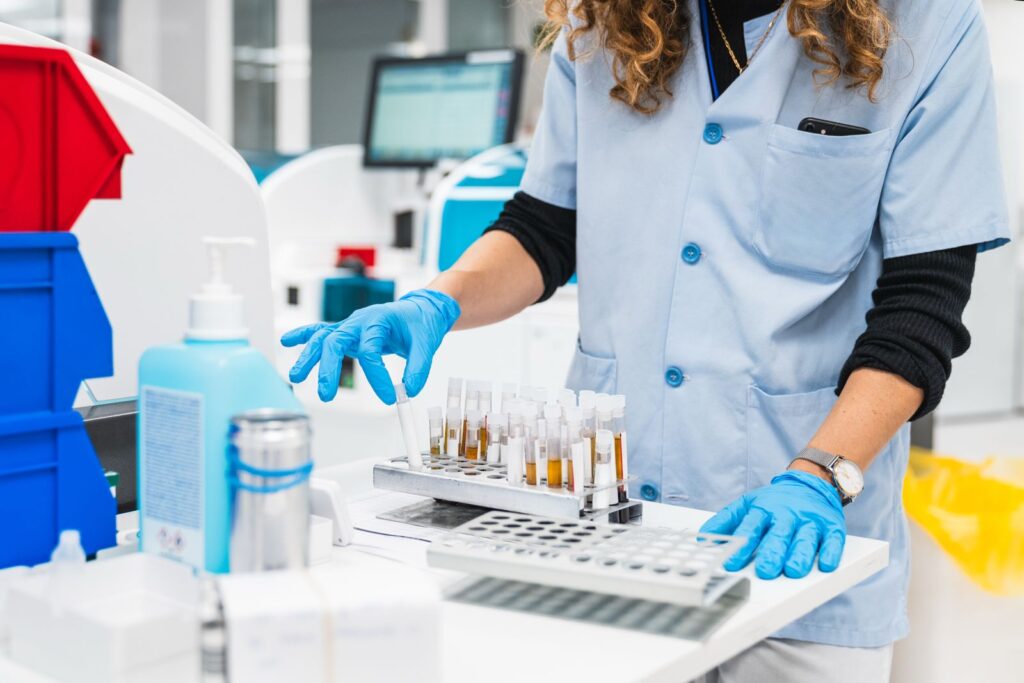
A safe protocol begins with a thorough baseline panel. This informs both diagnosis and safety monitoring during treatment.
- Total testosterone and ideally free testosterone
- Sex hormone binding globulin, SHBG
- Luteinizing hormone, LH, and follicle stimulating hormone, FSH
- Estradiol
- Complete blood count, CBC, to check hematocrit and hemoglobin
- Comprehensive metabolic panel, CMP, for liver and kidney function
- Prostate specific antigen, PSA, and digital rectal exam when indicated
- Lipid panel and fasting glucose or A1c for cardiometabolic risk
Older men or those with risk factors may need bone density testing and cardiology clearance. Bring results to your first TRT consultation to guide protocol choice.
Common TRT delivery methods and protocol examples
TRT can be administered with injections, gels, patches, pellets, or oral-buccal formulations. Each method has pros and cons related to convenience, cost, steady levels, and absorption variability.
Intramuscular injections
Injections are the most common medical protocol in the United States. Agents include testosterone cypionate or enanthate. Typical dosing examples are 50 to 200 mg per week or 100 to 200 mg every 7 to 14 days. Many clinicians prefer splitting the dose into twice weekly injections to reduce peak-trough swings and improve symptom control.
Subcutaneous injections
Subcutaneous administration uses smaller needles and can be done at home. Dosing mirrors intramuscular schedules, but many patients report less injection pain and similar efficacy.
Topical gels and patches
Gels provide steady daily dosing and avoid injections, but absorption varies with skin condition and washing. They can transfer to partners or children on contact, so careful application and clothing are important.
Pellets and other options
Pellets implanted under the skin provide months of steady delivery but require minor procedures with variable absorption. Choice depends on lifestyle, access to trained providers, and preference.
HCG therapy and fertility preservation
Human chorionic gonadotropin, HCG, mimics luteinizing hormone and stimulates the testes to produce testosterone and sperm. Standard adjunct dosing is 250 to 500 IU two to three times per week for men wishing to preserve or restore fertility while on TRT.
For those actively trying to conceive, clinicians may choose HCG plus clomiphene citrate instead of exogenous testosterone, as testosterone alone suppresses intratesticular testosterone and sperm production.
Monitoring schedule and therapeutic targets
After starting therapy, obtain labs at 6 to 8 weeks to assess levels and adjust dosing. Check CBC, testosterone, and estradiol at that visit. Once stable, monitor every 3 to 6 months during the first year and annually thereafter if clinically stable.
Many clinicians aim for a total testosterone in the mid normal adult range, for example 400 to 700 ng/dL, and a symptom response. Free testosterone should be in a normalized range based on lab reference.
Managing common side effects and safety checks
Hematocrit can rise with TRT. If hematocrit exceeds 52 to 54 percent, consider reducing dose, lengthening dosing interval, or therapeutic phlebotomy. Elevated estradiol may cause gynecomastia or fluid retention and is managed by adjusting dose or using an aromatase inhibitor in selected cases.
TRT is contraindicated in men with known or suspected prostate cancer. For men with significant cardiovascular disease, discuss risks and benefits with a cardiologist. Always notify your provider about acne, sleep apnea, or nipple tenderness during therapy.
Natural strategies to support testosterone
Lifestyle changes complement medical therapy and may raise testosterone modestly in men with borderline levels.
- Resistance training and progressive overload to increase muscle mass and testosterone
- Maintain healthy body weight; 5 to 10 percent weight loss can improve levels
- Prioritize sleep 7 to 9 hours per night and treat sleep apnea
- Ensure adequate vitamin D and zinc if deficient
- Limit excessive alcohol and refined sugar intake
Patient journey and what to expect at the first visit
Expect a detailed symptom review, physical exam, and review of baseline labs. A good clinician will discuss treatment options, fertility goals, and lifestyle changes. If you elect treatment, the provider will outline a monitoring plan and give written instructions for injections or gel use.
In California, many clinics offer in person and telemedicine visits. If you need a local procedure such as pellet insertion, confirm the clinic has trained staff. For men seeking fertility preservation, ask for referral to a reproductive urologist.
Two example scenarios with recommended steps
Case 1: A 45 year old man with 6 months of low libido and fatigue. Baseline labs: total testosterone 260 ng/dL, SHBG normal, PSA normal, hematocrit 45 percent. Reasonable plan: start testosterone cypionate 75 mg subcutaneous twice weekly, repeat labs at 6 weeks, and add resistance training with protein-rich diet.
Case 2: A 36 year old man wanting to preserve fertility with low total testosterone of 240 ng/dL and low LH. Reasonable plan: start HCG 500 IU subcutaneous three times weekly and consider clomiphene 25 mg daily with close monitoring by a reproductive specialist. Avoid full dose exogenous testosterone until fertility is addressed.
Choosing a provider and treatment setting
Seek clinicians experienced in male hormone care such as endocrinologists, urologists, or primary care doctors with TRT training. Ask about their monitoring protocol, how they handle hematocrit rises, and their approach to fertility questions.
Check that the clinic follows evidence based labs and dosing, and that you receive a clear plan for follow up. In California, verify licensing and check reviews; many reputable clinics offer transparent pricing and laboratory coordination.
Frequently Asked Questions
What labs should I get before starting TRT?
Get morning total testosterone and consider free testosterone or calculated free testosterone. Include SHBG, LH, FSH, estradiol, CBC for hematocrit, CMP, PSA, lipid panel, and glucose or A1c. These baseline labs guide diagnosis and safety monitoring.
How long until I notice benefits from TRT?
Many men notice improved libido and energy within 3 to 6 weeks, while muscle and strength gains typically take 8 to 12 weeks. Mood and cognitive changes vary, and full effects may take several months with proper dosing and lifestyle support.
Can testosterone therapy cause infertility?
Yes, exogenous testosterone suppresses intratesticular testosterone and sperm production, potentially causing infertility. If you plan to have children, talk to your provider about HCG or clomiphene based protocols to preserve fertility while treating symptoms.
Is HCG required when on TRT?
HCG is not required for all men, but it preserves testicular function and fertility in men who want to maintain sperm production. Discuss HCG with your clinician if fertility is a concern or if testicular shrinkage is problematic.
Are injections better than gels for TRT?
Injections often provide more predictable absorption and are less likely to transfer to others compared with gels. Gels offer convenience but may have variable absorption and require daily application. Choice depends on preferences, cost, and lifestyle.
Will TRT increase my risk of heart disease?
Current evidence is mixed, and risk depends on individual cardiovascular profile. A careful assessment of heart disease risk, lipid levels, blood pressure, and follow up with a cardiologist when indicated will help ensure safe therapy. Discuss risks and benefits with your clinician before starting.
Conclusion
Understanding TRT protocols empowers better decisions and safer outcomes. Start with clear symptom reporting, morning labs, and a plan that matches your fertility goals and health profile. Use lifestyle changes to amplify results, and choose a provider who follows evidence based monitoring to minimize risks. If you live in California, look for licensed clinics that offer transparent protocols and coordinated lab monitoring to ensure a smooth patient journey.
Disclaimer
This blog is for informational and educational purposes only and does not constitute medical advice, diagnosis, or treatment. The content provided is based on general health information and research available as of the publication date. Individual health conditions vary, and what works for one person may not be appropriate for another.
Always consult with a qualified healthcare provider before starting any new treatment, including testosterone replacement therapy (TRT), making changes to existing treatments, or if you have questions about your specific health condition. Never disregard professional medical advice or delay seeking it because of information you read on this blog.
If you are experiencing a medical emergency, call 911 or your local emergency services immediately. The information on this website does not create a doctor-patient relationship and should not be used as a substitute for professional medical advice, diagnosis, or treatment.