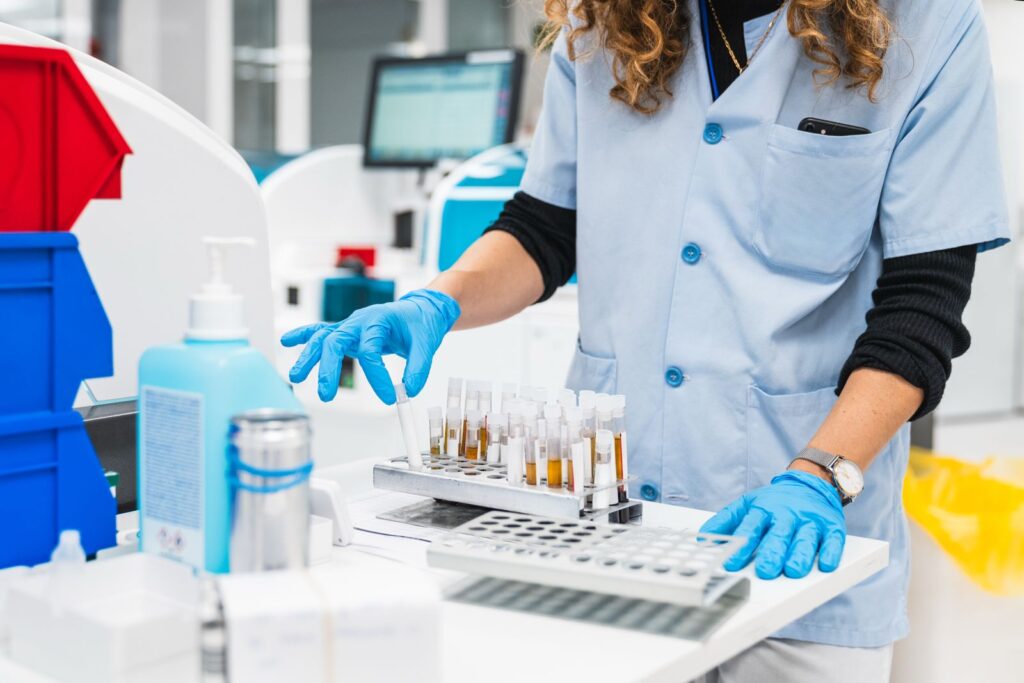

Getting blood work done before and during testosterone replacement therapy is one of the most important steps a man can take for his health. Yet many men receive their lab results and feel completely lost staring at a page full of numbers, acronyms, and reference ranges. Understanding what those numbers actually mean can transform your TRT experience from confusing to empowering.
Lab testing is not just a formality before starting treatment. It serves as the foundation for every clinical decision your provider makes, from your starting dose to how frequently you inject and whether you need additional support medications. Knowing how to read and interpret your own results puts you in a much stronger position to have informed conversations with your doctor and advocate for your own care.
This guide breaks down the essential lab panels used in TRT management, explains what each marker reveals about your hormonal health, and shows you what ranges to look for at every stage of treatment.
The Core TRT Lab Panel Explained
Most TRT clinics order a baseline panel before starting any therapy. This initial blood draw establishes your starting point and screens for conditions that could affect treatment safety. The core markers every man should understand include total testosterone, free testosterone, estradiol, luteinizing hormone, follicle-stimulating hormone, sex hormone binding globulin, and a complete metabolic panel.
Total Testosterone
Total testosterone measures the full amount of testosterone circulating in your blood, including both bound and unbound forms. Normal reference ranges in most labs fall between 300 and 1000 ng/dL, though many men experience clear low-T symptoms well above the 300 ng/dL cutoff. Clinically, men with symptoms and levels below 400 ng/dL are often strong candidates for evaluation and treatment.
On TRT, most protocols aim to bring total testosterone into the upper third of the normal range, typically between 700 and 1000 ng/dL. Levels exceeding 1100 ng/dL may signal a need to reduce dosing or adjust injection frequency to prevent unwanted side effects.
Free Testosterone
Free testosterone represents the small fraction of testosterone not bound to proteins, making it biologically active and available to your cells. This number often tells a more complete story than total testosterone alone. A man can have total testosterone of 600 ng/dL but still experience low-T symptoms if his free testosterone is suppressed.
Free testosterone is typically expressed in pg/mL, with optimal ranges generally between 15 and 25 pg/mL. Men with elevated sex hormone binding globulin – a protein that binds testosterone and renders it inactive – often show adequate total testosterone but low free testosterone, explaining why symptoms persist despite seemingly normal levels.
Estradiol (E2)
Estradiol is the primary form of estrogen in men and is produced through a natural conversion process called aromatization, where testosterone converts to estrogen via an enzyme called aromatase. This conversion is normal and necessary. Estrogen supports bone density, cardiovascular health, sexual function, and mood in men.
Problems arise when estradiol climbs too high or drops too low. Most men feel best when estradiol falls between 20 and 40 pg/mL on TRT. High estradiol (above 50 pg/mL) can cause water retention, mood swings, reduced libido, and sensitive nipple tissue. Excessively low estradiol (below 15 pg/mL) causes joint pain, low libido, fatigue, and emotional flatness. Tracking estradiol throughout TRT is essential for dialing in the right dose.
Hormonal Axis Markers
LH and FSH
Luteinizing hormone (LH) and follicle-stimulating hormone (FSH) are produced by the pituitary gland and signal the testes to produce testosterone and sperm. In a man with primary hypogonadism, these levels will be elevated because the pituitary is working hard to stimulate underperforming testes. In secondary hypogonadism, LH and FSH are low or normal despite low testosterone, indicating a signaling problem originating in the brain.
Once a man begins TRT, exogenous testosterone suppresses LH and FSH production, which is why testicular size and sperm production often decline during therapy. This is where HCG becomes valuable – it mimics LH and maintains testicular function during treatment.
Sex Hormone Binding Globulin (SHBG)
SHBG acts like a carrier protein that binds tightly to testosterone and estradiol, limiting their availability to tissues. Men with high SHBG have more of their testosterone tied up and unavailable, which can cause low-T symptoms even with acceptable total testosterone levels. Optimal SHBG generally falls between 20 and 40 nmol/L.
High SHBG responds well to certain TRT protocols. Some providers use daily low-dose testosterone administration rather than weekly injections to keep hormone levels steady and gradually lower SHBG over time. Diet, thyroid function, and insulin sensitivity all influence SHBG levels.
Safety Markers You Cannot Ignore
Hematocrit and Hemoglobin
Testosterone stimulates red blood cell production, which can thicken the blood over time. Elevated hematocrit (above 52-54%) increases clotting risk and puts strain on the cardiovascular system. Regular monitoring every three to six months on TRT catches this issue early. If hematocrit rises too high, providers may reduce dosing, switch injection frequency, or recommend therapeutic phlebotomy.
PSA (Prostate-Specific Antigen)
PSA screening before starting TRT identifies existing prostate issues and provides a baseline for comparison during treatment. While current evidence does not show TRT causes prostate cancer, it can stimulate growth in existing undetected tumors. Men with baseline PSA above 4 ng/mL or a significant rise during therapy typically require urological evaluation before continuing treatment.
Comprehensive Metabolic Panel
Kidney and liver function markers within a comprehensive metabolic panel (CMP) should be checked before starting TRT and periodically during treatment. Liver enzymes can elevate with certain testosterone formulations, particularly oral or high-dose delivery methods. Creatinine and blood urea nitrogen monitor kidney health, which can be affected by significant muscle mass changes during therapy.
When to Test and How Often
Baseline labs should be drawn before any TRT begins. After starting therapy, most protocols recheck levels at 6 to 8 weeks to assess initial response and adjust dosing. Once stable, quarterly monitoring covering testosterone, estradiol, hematocrit, and PSA (for men over 40) provides adequate safety oversight.
Timing your blood draw matters. For men on weekly testosterone injections, drawing blood midpoint between injections – at day 3 or 4 – gives the most representative picture of your average circulating levels. Drawing too close to injection day can either catch a peak or a trough, distorting the results and potentially leading to inaccurate dose adjustments.
Frequently Asked Questions
What is a good total testosterone level to start TRT?
Most physicians consider total testosterone below 300 ng/dL as clinically low, though many men with levels between 300 and 400 ng/dL still experience significant symptoms and qualify for treatment based on clinical evaluation. The decision to treat should always combine lab numbers with a thorough symptom assessment rather than relying on numbers alone.
How long after starting TRT should I retest my blood?
Most TRT providers recommend retesting at 6 to 8 weeks after starting or adjusting a dose. This timeframe allows testosterone levels to reach a stable state in your blood, giving an accurate picture of how your body is responding to the current protocol.
Why does my free testosterone matter if my total testosterone looks normal?
Free testosterone is the active, usable form that actually enters your cells and produces effects. If your SHBG is elevated, a large portion of your total testosterone becomes bound and inactive, leaving your free testosterone low despite normal-looking total levels. This discrepancy often explains why some men continue experiencing symptoms even when their total testosterone appears adequate.
What estradiol level is too high on TRT?
Estradiol above 50 pg/mL is generally considered elevated and is associated with symptoms like water retention, mood instability, reduced sexual drive, and breast tissue sensitivity. However, individual tolerance varies, and some men feel fine at higher levels while others experience problems in the 40s. Symptom correlation alongside lab values guides the most appropriate response.
Does TRT affect PSA levels?
TRT can cause a modest rise in PSA, typically within the normal range, as testosterone supports prostate tissue health. A sudden or significant PSA spike during TRT warrants evaluation by a urologist to rule out prostate pathology. Baseline PSA testing before starting therapy is considered standard practice for men over 40.
What happens to LH and FSH on TRT?
Exogenous testosterone signals the brain to reduce its own hormonal output, causing LH and FSH to drop significantly, often to near-zero levels. This suppression is the mechanism behind testicular atrophy and reduced sperm production during TRT. HCG therapy is commonly used alongside TRT to maintain LH receptor stimulation and preserve testicular function.
How do I get accurate TRT labs if I inject weekly?
For weekly injections, draw blood at the midpoint between doses – typically 3 to 4 days after your injection. This timing avoids both the post-injection peak and the pre-injection trough, giving your provider the most representative snapshot of your average circulating testosterone levels for dosing decisions.
Disclaimer
This blog is for informational and educational purposes only and does not constitute medical advice, diagnosis, or treatment. The content provided is based on general health information and research available as of the publication date. Individual health conditions vary, and what works for one person may not be appropriate for another.
Always consult with a qualified healthcare provider before starting any new treatment, including testosterone replacement therapy (TRT), making changes to existing treatments, or if you have questions about your specific health condition. Never disregard professional medical advice or delay seeking it because of information you read on this blog.
If you are experiencing a medical emergency, call 911 or your local emergency services immediately. The information on this website does not create a doctor-patient relationship and should not be used as a substitute for professional medical advice, diagnosis, or treatment.