
You have been hitting the gym consistently, eating enough protein, and getting decent sleep. Yet somehow, you keep losing muscle. Your strength is declining, your body composition is shifting toward fat, and nothing seems to explain why. For many men over 35, the answer is not a lack of effort. It is a hormonal one.
Low testosterone is one of the most overlooked causes of unexplained muscle loss in men. Testosterone plays a direct role in muscle protein synthesis, the process your body uses to build and repair muscle tissue. When testosterone drops below healthy levels, that process slows dramatically, leaving even the most dedicated gym-goers struggling to maintain what they have built.
Understanding the connection between low T and muscle loss can help you stop blaming yourself and start addressing the actual cause. This guide breaks down exactly what happens to your muscles when testosterone declines, what warning signs to watch for, and what your options are for getting things back on track.
How Testosterone Supports Muscle Health
Testosterone is an anabolic hormone, meaning it promotes tissue building. In muscle tissue specifically, testosterone binds to androgen receptors inside muscle cells, triggering a cascade of activity that increases protein synthesis, reduces protein breakdown, and supports satellite cell activation, which is the process responsible for muscle repair and growth.
Beyond direct muscle cell activity, testosterone also influences growth hormone release and insulin-like growth factor 1 (IGF-1), both of which play supporting roles in muscle maintenance. When all three are functioning normally, your body stays in an anabolic state that preserves and builds lean mass.
When testosterone falls, the entire system shifts. Your body spends more time in a catabolic state, breaking down muscle tissue for energy rather than preserving it. This is not just a cosmetic issue. Muscle loss is associated with reduced metabolic rate, increased injury risk, weaker bones, and worse long-term health outcomes.
Warning Signs That Low T Is Behind Your Muscle Loss
Not all muscle loss is caused by low testosterone, but there are specific patterns that suggest hormones may be the underlying problem. Recognizing these signs early can save you years of frustration.
- Disproportionate fat gain around the midsection despite no major diet changes
- Loss of strength without a training break, particularly in compound lifts
- Longer recovery times after workouts, with more soreness and slower healing
- Reduced motivation to train, sometimes described as a complete loss of drive
- Fatigue that does not improve with rest or better nutrition
- Decreased morning erections or libido alongside physical changes
- Mood shifts including irritability or low-grade depression that correlate with physical decline
If several of these symptoms are present simultaneously, the combination strongly suggests a hormonal issue rather than overtraining or aging alone.
The Role of Cortisol: Low T’s Worst Partner
When testosterone drops, cortisol often rises in relative terms. Cortisol is a catabolic stress hormone that directly opposes testosterone’s muscle-building effects. In healthy men with adequate testosterone, there is a balance between these two hormones that protects muscle mass.
In men with low T, that balance tips hard in cortisol’s favor. This means your body is not just failing to build muscle. It is actively breaking it down at an accelerated rate. High cortisol also contributes to abdominal fat accumulation, sleep disruption, and mood instability, creating a feedback loop that makes recovery feel impossible without addressing the root hormonal cause.
What TRT Does for Muscle Preservation and Growth
Testosterone replacement therapy works by restoring testosterone levels to a healthy physiological range. For men with clinically confirmed low T, this hormonal restoration has direct and measurable effects on muscle tissue.
Research has consistently shown that men on TRT experience improved lean body mass, reduced fat mass, and better physical performance compared to untreated men with low testosterone. These results are not primarily from dramatic muscle growth. They come from reversing the catabolic state that was causing breakdown in the first place.
When testosterone levels normalize, protein synthesis rates improve, satellite cell activity picks back up, and recovery between workouts becomes noticeably faster. Many men report that their training starts feeling productive again within weeks of starting therapy. The gym stops feeling like a losing battle.
Supporting TRT with the Right Nutrition and Training
TRT is not a replacement for smart training and nutrition. It is a foundation that allows those efforts to actually work. Without adequate protein intake, even optimal testosterone levels cannot build or maintain muscle effectively.
Here are the key lifestyle factors that work alongside TRT to maximize muscle preservation:
- Protein intake – Aim for 0.7 to 1.0 grams of protein per pound of bodyweight daily. Prioritize complete protein sources like eggs, meat, fish, and dairy.
- Resistance training – Compound movements like squats, deadlifts, bench press, and rows provide the strongest anabolic stimulus. Train major muscle groups at least twice per week.
- Sleep quality – Growth hormone is released primarily during deep sleep. Poor sleep undermines every aspect of muscle recovery, even on TRT.
- Stress management – Chronically elevated cortisol from work stress, poor sleep, or overtraining will blunt TRT’s effectiveness on muscle.
- Consistency over intensity – Moderate, consistent training outperforms sporadic high-intensity sessions for long-term muscle maintenance, especially in the early phase of TRT.
Getting the Right Diagnosis Before Starting Treatment
Before pursuing TRT, a proper diagnosis is essential. Muscle loss alone is not sufficient grounds for starting testosterone therapy. You need lab work that confirms low testosterone levels in a clinical context.
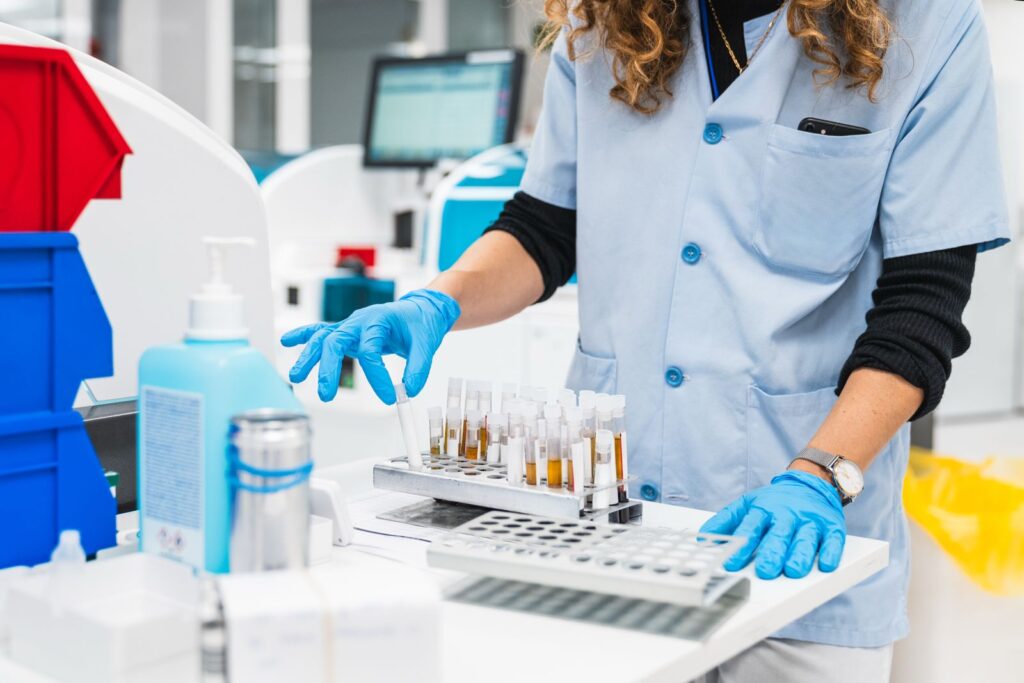
A standard low T panel typically includes total testosterone, free testosterone, luteinizing hormone (LH), follicle-stimulating hormone (FSH), estradiol, complete blood count, and a comprehensive metabolic panel. These tests help identify not just whether testosterone is low, but why it is low, which guides treatment decisions significantly.
In the Chandler, Arizona area, men have access to clinics that specialize in hormonal health for men and can provide the complete diagnostic workup necessary to determine whether TRT is appropriate. Getting this right from the beginning prevents unnecessary treatment and ensures the therapy you receive is properly monitored and adjusted over time.
Frequently Asked Questions
Can low testosterone really cause muscle loss even if I exercise regularly?
Yes, absolutely. Testosterone is essential for muscle protein synthesis, and when levels drop below the healthy range, your body cannot maintain muscle tissue effectively regardless of training volume. Many men experience progressive muscle loss and strength decline despite consistent gym attendance, which is one of the clearest signs that a hormonal evaluation is warranted.
How long does it take to regain muscle after starting TRT?
Most men begin noticing improved recovery and training capacity within four to eight weeks of starting TRT. Meaningful changes in lean body mass typically become visible between three and six months, with more substantial results continuing to develop over the first one to two years of therapy when training and nutrition are optimized.
What testosterone level is considered too low to maintain muscle?
Normal total testosterone ranges from approximately 300 to 1,000 nanograms per deciliter (ng/dL) in adult men. Levels below 300 ng/dL are generally associated with symptoms including muscle loss, fatigue, and reduced libido. Free testosterone levels matter just as much, since this is the biologically active fraction that actually binds to muscle cell receptors.
Does TRT make you gain muscle automatically?
TRT restores the hormonal environment necessary for muscle maintenance and growth, but it does not build muscle without the appropriate stimulus. Resistance training and adequate protein intake are still required. Think of TRT as removing the hormonal ceiling that was preventing your training efforts from producing results, rather than a shortcut that bypasses the work.
Are there natural ways to boost testosterone and prevent muscle loss?
Several lifestyle factors support healthy testosterone levels, including resistance training, adequate sleep (seven to nine hours per night), stress reduction, vitamin D optimization, zinc intake, and maintaining a healthy body weight. These strategies are most effective for men with borderline low testosterone. For men with clinically confirmed low T, natural methods alone are often insufficient to restore levels to a therapeutic range.
Can estrogen levels affect muscle loss in men on TRT?
Yes. Testosterone converts to estradiol through a process called aromatization. While some estrogen is necessary and beneficial for men, excessively high estradiol on TRT can reduce some of the muscle-building benefits and contribute to water retention, mood changes, and reduced libido. Monitoring estradiol levels is a standard part of well-managed TRT protocols.
Is muscle loss from low testosterone reversible?
For most men, yes. With properly managed TRT and consistent resistance training, the majority of muscle mass lost to low testosterone can be recovered over one to two years. Older men and those who have been untreated for longer periods may require more time, but the recovery process is achievable with the right combination of hormonal therapy, training, and nutrition support.
Disclaimer
This blog is for informational and educational purposes only and does not constitute medical advice, diagnosis, or treatment. The content provided is based on general health information and research available as of the publication date. Individual health conditions vary, and what works for one person may not be appropriate for another.
Always consult with a qualified healthcare provider before starting any new treatment, including testosterone replacement therapy (TRT), making changes to existing treatments, or if you have questions about your specific health condition. Never disregard professional medical advice or delay seeking it because of information you read on this blog.
If you are experiencing a medical emergency, call 911 or your local emergency services immediately. The information on this website does not create a doctor-patient relationship and should not be used as a substitute for professional medical advice, diagnosis, or treatment.