
You wake up after eight hours of sleep and still feel like you never rested. Coffee helps for an hour, then the fog rolls back in. If this sounds familiar, your testosterone levels may be the missing piece of the puzzle. Chronic fatigue is one of the most common and overlooked symptoms of low testosterone, and millions of men are living with it without ever connecting the dots to their hormones.
The relationship between testosterone and energy goes far deeper than most people realize. Testosterone does not just influence muscle mass and libido. It plays a direct role in how your body produces red blood cells, regulates mitochondrial function, and manages sleep quality. When levels drop, every system that powers your daily energy takes a hit. Understanding this connection is the first step toward reclaiming the vitality you used to take for granted.
This guide breaks down exactly how low testosterone drains your energy, what the science says about TRT as a solution, and what men in Chandler and the greater Arizona area can expect when they pursue treatment.
How Low Testosterone Steals Your Energy
Testosterone plays a surprisingly central role in cellular energy production. Research shows that testosterone stimulates the production of erythropoietin, a hormone that signals the bone marrow to produce red blood cells. Fewer red blood cells means less oxygen delivered to your muscles and brain. The result is that sluggish, heavy feeling that no amount of caffeine seems to fix.
Beyond oxygen delivery, testosterone influences mitochondrial function. Mitochondria are the energy-generating structures inside your cells, and testosterone helps regulate their efficiency. When levels decline, cellular energy output drops across the board. Men with low T often describe feeling physically weaker during workouts and mentally slower during routine tasks.
The Sleep-Testosterone Feedback Loop
Low testosterone and poor sleep form a destructive cycle that compounds fatigue quickly. Most testosterone is produced during deep, restorative sleep. When low T disrupts sleep architecture, your body produces even less testosterone overnight. Less testosterone then makes it harder to fall into deep sleep the following night. This loop can grind your energy levels down over months without any obvious single cause.
Men with hypogonadism frequently report waking up multiple times per night, struggling to stay asleep past 4 or 5 a.m., and feeling unrefreshed regardless of how long they were in bed. These are not random sleep complaints. They are often direct hormonal symptoms.
Brain Fog and Mental Fatigue
Physical tiredness gets most of the attention, but mental fatigue from low T can be equally disabling. Testosterone receptors are distributed throughout the brain, including in the hippocampus and prefrontal cortex, which govern memory, focus, and decision-making. When testosterone is deficient, cognitive sharpness dulls noticeably.
Men often describe this as feeling like they are operating at 60 percent capacity. Tasks that once felt routine now require significant mental effort. Word retrieval slows down. Concentration drifts. For men in demanding careers or with active family responsibilities, this mental fatigue creates serious daily consequences.
What TRT Does to Restore Energy Levels
Testosterone replacement therapy addresses the root hormonal deficiency rather than masking symptoms. When administered correctly, TRT restores testosterone to an optimal physiological range, and energy improvements are often among the first benefits men notice.
Clinical studies have documented meaningful improvements in fatigue scores within the first 6 to 12 weeks of TRT. A 2016 study published in the Journal of Clinical Endocrinology and Metabolism found that men on TRT reported significant reductions in fatigue and improved vitality compared to placebo groups. The mechanisms are straightforward. As testosterone rises, red blood cell production increases, mitochondrial efficiency improves, and sleep quality deepens.
Timeline: When Do Men Feel the Difference?
Energy improvements from TRT do not happen overnight, but progress follows a predictable pattern for most men. Here is a general timeline based on clinical experience:
- Weeks 1 to 3: Some men notice improved sleep quality and slightly more morning energy, though full effects have not yet developed.
- Weeks 4 to 6: Mood stabilization begins, and many men report feeling more motivated and less mentally foggy.
- Weeks 8 to 12: Physical energy returns more consistently. Workouts feel more productive, and afternoon energy crashes become less severe.
- Months 3 to 6: Full benefits are typically realized. Sustained energy throughout the day, improved sleep depth, and sharper mental clarity are common reports at this stage.
Individual results vary based on starting testosterone levels, protocol type, dosage, and lifestyle factors like diet, exercise, and sleep hygiene.
TRT Protocols That Impact Energy Most
Not all TRT protocols produce the same energy outcomes. The delivery method, frequency, and dosage all influence how consistently testosterone levels are maintained, which directly affects how stable your energy feels day to day.
Injections
Intramuscular or subcutaneous injections remain the most common TRT protocol. Weekly or twice-weekly injections of testosterone cypionate or enanthate maintain relatively stable blood levels. Men who inject every two weeks sometimes experience an energy peak shortly after injection followed by noticeable fatigue as levels trough. More frequent injections minimize this rollercoaster effect.
Pellets
Subcutaneous pellets inserted under the skin every 3 to 5 months release testosterone gradually. Many men report extremely stable energy levels with pellets because there are no peaks and troughs. The downside is that dosage cannot be quickly adjusted if side effects arise.
Topical Gels and Creams
Daily application maintains steady levels but requires discipline and carries a small risk of transference to partners or children through skin contact. For men who apply consistently, energy benefits are comparable to injections.
Lifestyle Factors That Amplify TRT Energy Benefits
TRT creates the hormonal foundation for better energy, but lifestyle choices determine how fully you build on that foundation. Men who combine TRT with targeted lifestyle habits consistently report better outcomes than those who rely on therapy alone.
- Prioritize sleep: Aim for 7 to 9 hours in a dark, cool room. TRT improves sleep architecture, but good sleep hygiene accelerates the benefit.
- Resistance training: Lifting weights 3 to 4 times per week enhances the energy-boosting effects of TRT by improving mitochondrial density and insulin sensitivity.
- Manage cortisol: Chronic stress elevates cortisol, which suppresses testosterone production. Meditation, time outdoors, and managing workload all help keep cortisol in check.
- Optimize nutrition: Adequate protein, healthy fats, and micronutrients like zinc and vitamin D support hormonal health alongside TRT.
- Limit alcohol: Even moderate alcohol consumption suppresses testosterone production and disrupts sleep quality, both of which undercut TRT energy benefits.
When to Get Tested in Chandler, Arizona
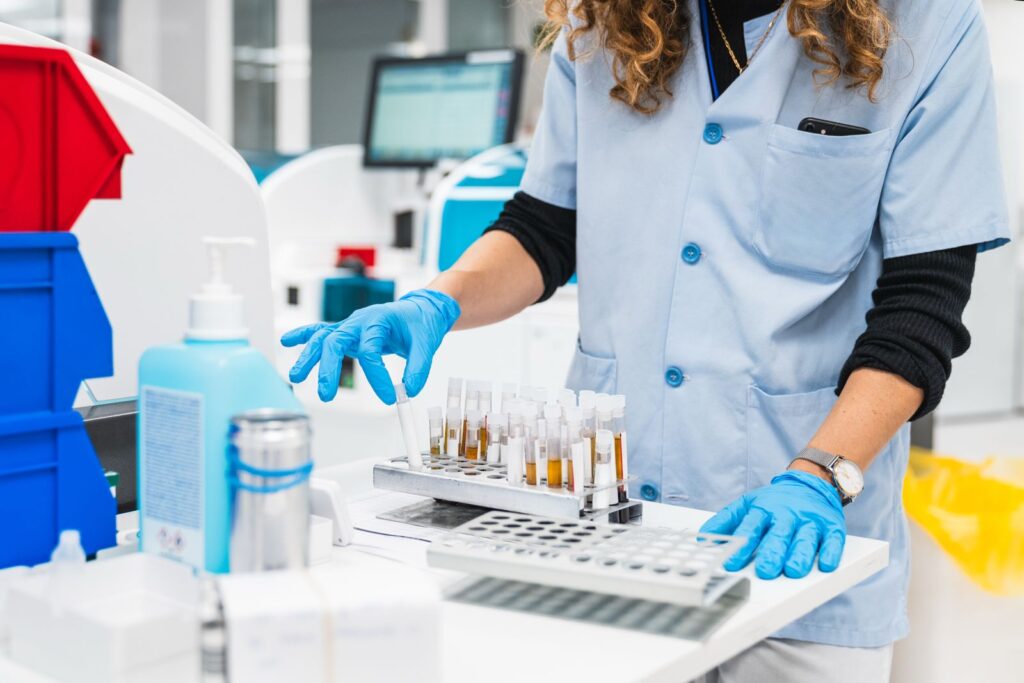
If persistent fatigue, brain fog, or low motivation is affecting your quality of life, a simple blood panel can determine whether low testosterone is a contributing factor. Total testosterone, free testosterone, SHBG, LH, FSH, and a complete blood count are all relevant markers. Chandler has accessible TRT clinics and men’s health providers who can order comprehensive panels and interpret results in clinical context.
Do not wait years managing symptoms with willpower and caffeine. Hormonal fatigue has a measurable, treatable cause, and identifying it early leads to faster recovery and better long-term outcomes.
Frequently Asked Questions
How long does it take for TRT to improve energy levels?
Most men notice initial improvements in sleep quality and mood within the first 3 to 6 weeks of TRT. Sustained, consistent energy improvements typically develop over 3 to 6 months as testosterone levels stabilize and secondary benefits like improved sleep and red blood cell production accumulate.
Can low testosterone cause fatigue even if my levels are in the normal range?
Yes. Standard laboratory reference ranges are broad, and some men experience significant fatigue at testosterone levels technically classified as normal but that are low for their individual physiology. Free testosterone and SHBG levels provide additional context that total testosterone alone cannot capture.
Is fatigue from low T different from regular tiredness?
Low T fatigue tends to be persistent regardless of sleep duration, often accompanied by brain fog, reduced motivation, and physical weakness. Regular tiredness typically resolves with adequate rest. If you feel chronically unrefreshed despite sufficient sleep, hormonal causes are worth investigating.
Will TRT give me too much energy or cause anxiety?
Properly dosed TRT restores testosterone to a physiological range and does not typically cause overstimulation or anxiety. However, if levels rise too high due to excessive dosing, some men experience restlessness or irritability. Regular lab monitoring ensures levels stay within a therapeutic range.
Can I boost my energy through lifestyle changes instead of TRT?
Lifestyle interventions like resistance training, improved sleep, stress management, and dietary optimization can meaningfully support testosterone levels in men with mild deficiency. However, for men with clinically low testosterone confirmed by blood testing, lifestyle changes alone typically cannot compensate fully, and TRT produces more reliable and faster results.
Does TRT help with mental fatigue and brain fog specifically?
Yes. Testosterone receptors in the brain influence memory, focus, and cognitive processing speed. Many men on TRT report that mental clarity improves alongside physical energy, often beginning around weeks 6 to 12 of therapy. This is one of the more frequently reported quality-of-life improvements from treatment.
Is TRT available in Chandler, Arizona for energy and fatigue symptoms?
Yes. Men’s health clinics in Chandler and the surrounding Phoenix metro area offer comprehensive hormone evaluations, including lab testing and TRT protocols tailored to individual needs. A confirmed diagnosis of low testosterone based on symptoms and blood work qualifies most men for treatment through a licensed provider.
Disclaimer
This blog is for informational and educational purposes only and does not constitute medical advice, diagnosis, or treatment. The content provided is based on general health information and research available as of the publication date. Individual health conditions vary, and what works for one person may not be appropriate for another.
Always consult with a qualified healthcare provider before starting any new treatment, including testosterone replacement therapy (TRT), making changes to existing treatments, or if you have questions about your specific health condition. Never disregard professional medical advice or delay seeking it because of information you read on this blog.
If you are experiencing a medical emergency, call 911 or your local emergency services immediately. The information on this website does not create a doctor-patient relationship and should not be used as a substitute for professional medical advice, diagnosis, or treatment.