
Most men dealing with low testosterone focus on the obvious symptoms: low energy, reduced libido, and difficulty building muscle. What many do not realize is that testosterone plays a critical role in how the body processes glucose and manages insulin sensitivity. The connection between low testosterone and metabolic dysfunction, including type 2 diabetes, is one of the most important and underappreciated relationships in men’s health.
Research published in major endocrinology journals consistently shows that men with low testosterone are significantly more likely to develop insulin resistance and type 2 diabetes compared to men with healthy hormone levels. The relationship runs in both directions: low T promotes metabolic dysfunction, and metabolic dysfunction further suppresses testosterone production. Understanding this cycle is essential for men who want to protect their long-term health.
Whether you have already been diagnosed with prediabetes or type 2 diabetes, or you are simply concerned about your metabolic health, knowing how testosterone replacement therapy (TRT) fits into the picture can help you make more informed decisions with your doctor.
How Testosterone Influences Blood Sugar Regulation
Testosterone affects blood sugar in several concrete ways. First, it supports muscle mass, and muscle tissue is one of the primary sites where the body uses glucose. More lean muscle means more glucose gets absorbed from the bloodstream and converted into usable energy rather than stored as fat.
Second, testosterone directly influences insulin receptor sensitivity. When testosterone levels drop, cells become less responsive to insulin signals. This means the pancreas has to produce more insulin just to achieve the same effect, creating a state of hyperinsulinemia that accelerates fat storage and elevates cardiovascular risk.
Third, low testosterone promotes central or visceral fat accumulation around the abdomen. Visceral fat is metabolically active in a destructive way: it secretes inflammatory compounds called cytokines that further impair insulin signaling. This creates a feedback loop where low T leads to more belly fat, and more belly fat leads to even lower T and worse insulin resistance.
The Research Behind TRT and Metabolic Health
Several well-designed clinical studies have examined what happens to blood sugar control when testosterone is restored to normal levels in hypogonadal men. The results are consistently encouraging.
A landmark study published in Diabetes Care found that men with low testosterone who underwent TRT experienced significant reductions in fasting glucose, HbA1c levels, and insulin resistance markers over a 12-month period. The improvements were most pronounced in men who also made lifestyle changes alongside therapy.
Another long-term registry study followed hypogonadal men on TRT for up to eight years and found sustained improvements in body composition, reduced waist circumference, and meaningful reductions in HbA1c. These men were not just feeling better subjectively: their lab results objectively improved in ways that reduced their risk of diabetes complications.
It is important to note that TRT is not a standalone treatment for diabetes. Rather, it addresses a hormonal root cause that contributes to metabolic dysfunction in men whose testosterone is genuinely deficient.
Recognizing the Overlap Between Low T and Diabetes Symptoms
One of the challenges in diagnosing low testosterone in men with diabetes or metabolic syndrome is that the symptoms overlap significantly. Both conditions can cause:
- Persistent fatigue and low energy throughout the day
- Difficulty concentrating or mental fog
- Weight gain, particularly around the midsection
- Reduced motivation and depressed mood
- Erectile dysfunction and reduced sex drive
- Loss of muscle mass and strength despite exercise
Because these symptoms are shared, men with type 2 diabetes are sometimes told their fatigue or sexual dysfunction is just a consequence of their diabetes, without anyone checking testosterone levels. If you are diabetic and experiencing these symptoms, requesting a comprehensive hormone panel is entirely reasonable and may reveal an addressable underlying cause.
What Labs You Should Request
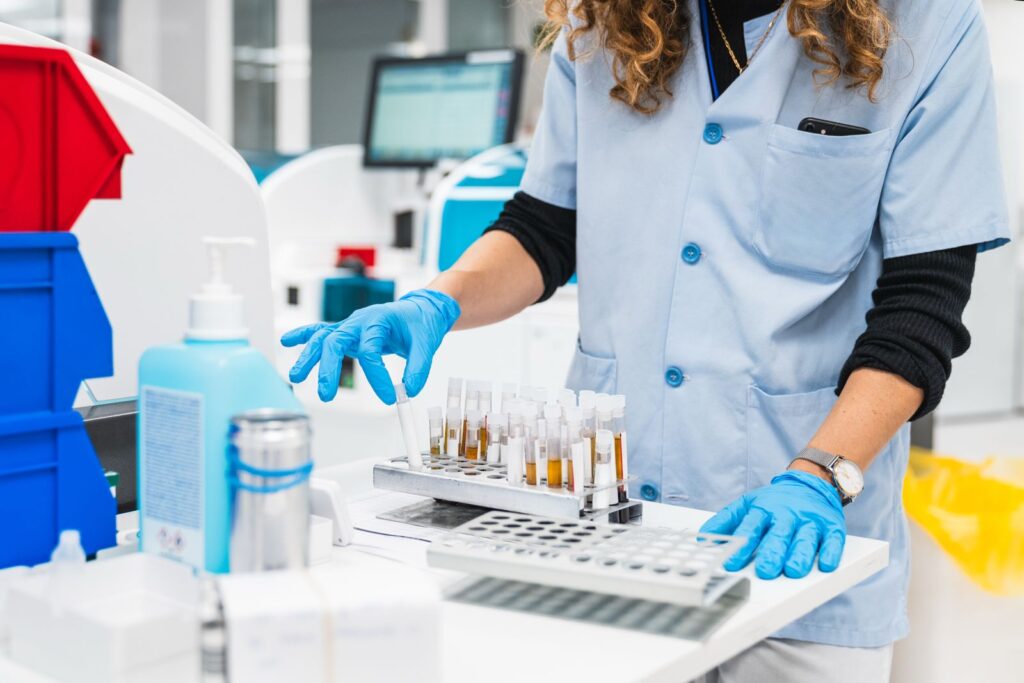
If you suspect low testosterone is affecting your blood sugar or metabolic health, a thorough workup should include both hormonal and metabolic markers. Ask your doctor for:
- Total testosterone and free testosterone levels (morning draw is most accurate)
- Sex hormone-binding globulin (SHBG), which affects how much testosterone is biologically available
- Fasting glucose and fasting insulin to calculate insulin resistance
- HbA1c, which reflects your average blood sugar over the past three months
- Luteinizing hormone (LH) and follicle-stimulating hormone (FSH) to determine the source of low T
- Complete metabolic panel and lipid panel for overall metabolic context
These numbers together give your provider a complete picture of where the hormonal and metabolic dysfunction is originating and how severely it is affecting your health.
TRT Protocols in Men with Metabolic Conditions
Men with diabetes or insulin resistance who begin TRT often follow similar protocols to other patients, but with closer monitoring given the metabolic complexity involved.
Injectable testosterone cypionate or enanthate administered weekly or twice weekly remains the most common and cost-effective delivery method. This approach provides stable hormone levels with predictable effects. Some clinics also use topical gels or pellets depending on patient preference and clinical factors.
Regardless of the delivery method, men with metabolic conditions typically benefit from more frequent follow-up labs during the first year of therapy. Your provider should monitor HbA1c, fasting glucose, hematocrit, estradiol, and lipid panels at regular intervals to track both therapeutic response and any changes that require protocol adjustments.
Medication interactions are also an important consideration. If you are taking metformin or other diabetes medications, your prescribing physician should know you are beginning TRT so dosages can be adjusted as insulin sensitivity potentially improves.
Lifestyle Factors That Amplify TRT Results
TRT delivers the best metabolic results when combined with intentional lifestyle changes. This is not optional: the combination of TRT and behavioral changes consistently outperforms either approach in isolation.
Key lifestyle strategies that work synergistically with TRT include:
- Resistance training: Building muscle is the most effective way to improve insulin sensitivity. Even two to three sessions per week produce meaningful results in glucose metabolism.
- Reducing refined carbohydrates: Limiting processed sugars and high-glycemic foods reduces the insulin demand placed on the pancreas, allowing the body to stabilize blood sugar more effectively.
- Prioritizing sleep: Poor sleep independently suppresses testosterone production and worsens insulin resistance. Seven to nine hours of quality sleep per night is a non-negotiable metabolic intervention.
- Managing stress: Elevated cortisol, the primary stress hormone, directly suppresses testosterone and promotes glucose release into the bloodstream. Stress management practices have measurable hormonal benefits.
Men who implement these habits alongside TRT often see improvements in HbA1c, body composition, and energy that exceed what either intervention achieves alone. The synergy is real and well-documented in clinical literature.
Frequently Asked Questions
Can TRT lower blood sugar in men with type 2 diabetes?
Clinical research shows that restoring testosterone to normal levels in hypogonadal men with type 2 diabetes can improve fasting glucose, HbA1c, and insulin sensitivity over time. Results vary by individual, and TRT should be used alongside, not instead of, conventional diabetes management under medical supervision.
Does low testosterone cause diabetes, or does diabetes cause low testosterone?
The relationship is bidirectional. Low testosterone promotes insulin resistance and fat accumulation, which increase diabetes risk. Conversely, the metabolic stress of diabetes and obesity suppresses testosterone production. Both conditions reinforce each other, which is why addressing testosterone deficiency can help break the cycle.
Is it safe to start TRT if I am already on diabetes medication?
Generally yes, but your prescribing doctors need to coordinate care. As TRT improves insulin sensitivity, your diabetes medication dosages may need to be adjusted to prevent hypoglycemia. Always inform all of your providers about every medication and therapy you are using.
How long does it take to see blood sugar improvements on TRT?
Most men begin noticing changes in energy and body composition within three to six months of starting TRT. Measurable improvements in HbA1c and fasting glucose typically become apparent after six to twelve months of consistent therapy combined with lifestyle changes.
What testosterone level is considered too low for metabolic health?
Most clinical guidelines define low testosterone as total testosterone below 300 ng/dL, though some men experience symptoms at levels between 300 and 400 ng/dL. Free testosterone levels matter equally, since bound testosterone cannot exert biological effects regardless of total levels.
Will TRT replace my need for metformin or other diabetes drugs?
TRT is not a replacement for diabetes medications and should never be stopped without physician guidance. However, some men experience sufficient metabolic improvement on TRT and lifestyle changes that their doctors reduce or modify their medication protocols. This is a clinical decision that requires regular lab monitoring.
Should I get tested for low testosterone if I have prediabetes?
Yes, this is highly recommended. Men with prediabetes or metabolic syndrome have a significantly elevated rate of testosterone deficiency. Identifying and treating low T early may help slow or prevent the progression to full type 2 diabetes when combined with appropriate lifestyle changes.
Disclaimer
This blog is for informational and educational purposes only and does not constitute medical advice, diagnosis, or treatment. The content provided is based on general health information and research available as of the publication date. Individual health conditions vary, and what works for one person may not be appropriate for another.
Always consult with a qualified healthcare provider before starting any new treatment, including testosterone replacement therapy (TRT), making changes to existing treatments, or if you have questions about your specific health condition. Never disregard professional medical advice or delay seeking it because of information you read on this blog.
If you are experiencing a medical emergency, call 911 or your local emergency services immediately. The information on this website does not create a doctor-patient relationship and should not be used as a substitute for professional medical advice, diagnosis, or treatment.