
Most men dealing with low testosterone focus on the obvious culprits: aging, poor diet, or lack of exercise. What often goes unexamined is the role that chronic stress plays in systematically dismantling hormonal health. The relationship between stress and testosterone is not a loose correlation. It is a direct biological conflict that plays out inside your body every single day.
When stress becomes a constant presence in your life, your body responds by prioritizing survival over reproduction and recovery. That shift has serious consequences for testosterone levels, energy, sexual function, and overall well-being. Understanding this connection is essential for any man trying to address low T effectively, whether through lifestyle changes, testosterone replacement therapy, or a combination of both.
This guide breaks down exactly how chronic stress suppresses testosterone, what symptoms signal the problem, and what men can realistically do to address both sides of the equation.
The Cortisol-Testosterone Conflict
Cortisol and testosterone are both produced from the same precursor molecule: cholesterol. When your body is under prolonged stress, it redirects resources toward producing cortisol, the primary stress hormone. This process is sometimes called the “cortisol steal” or pregnenolone steal, and it effectively reduces the raw materials available for testosterone synthesis.
Beyond raw materials, elevated cortisol also suppresses the hypothalamic-pituitary-gonadal (HPG) axis. This is the hormonal signaling chain that tells your testes to produce testosterone. High cortisol signals your hypothalamus to reduce gonadotropin-releasing hormone (GnRH), which then lowers luteinizing hormone (LH), which then decreases testosterone production at the source.
The result is a hormonal environment that is chemically hostile to healthy testosterone levels. And in modern life, this state is not rare. It is the default for millions of men.
Types of Stress That Suppress Testosterone
Not all stress affects the body equally, but several categories consistently show up in men with low T:
- Work-related stress: Long hours, high-pressure deadlines, and job insecurity drive sustained cortisol elevation that accumulates over months and years.
- Sleep deprivation: Poor sleep is one of the fastest ways to suppress testosterone. The majority of daily testosterone production occurs during deep sleep cycles. Miss enough of them and levels drop measurably within days.
- Overtraining: Intense physical exercise without adequate recovery is a physiological stressor. Men who train hard without rest often experience suppressed testosterone alongside elevated cortisol.
- Emotional and psychological stress: Relationship conflict, grief, anxiety, and depression all activate the same stress response pathways that suppress the HPG axis.
- Metabolic stress: Carrying excess body fat, especially visceral abdominal fat, creates chronic low-grade inflammation and estrogen conversion that further reduces available testosterone.
How to Recognize Stress-Related Low T
The symptoms of stress-driven testosterone suppression overlap significantly with general low T. However, a few patterns suggest stress is a major contributing factor rather than age-related decline alone.
Men in this situation often report feeling completely drained despite getting sleep, struggling with brain fog that worsens under pressure, and experiencing a noticeable drop in libido during periods of high stress. Irritability, increased abdominal fat despite no dietary changes, and recovery problems after exercise are also common signals.
If your low T symptoms intensified around a major life stressor, or if your energy and libido seem to track closely with your stress levels, this is worth noting when you speak with a provider. It changes both the diagnosis and the treatment approach.
Lab Testing: What to Look for Beyond Testosterone
A standard testosterone panel measures total and free testosterone. That is a necessary starting point, but it does not tell the full story when stress is involved. Men should also ask their provider about:
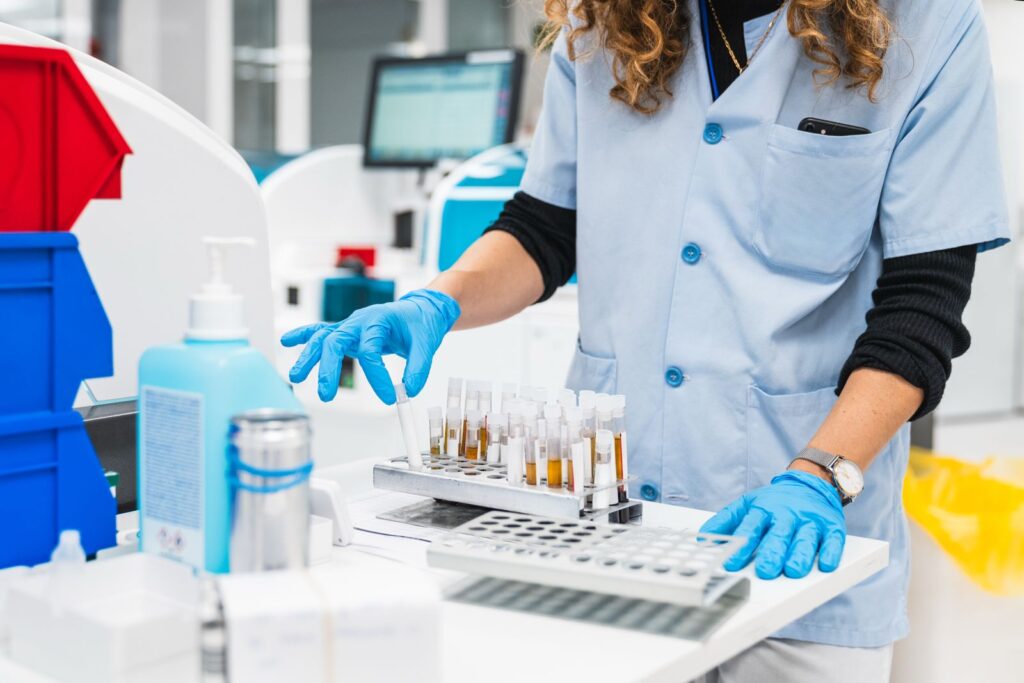
- Cortisol levels: A morning serum cortisol or a four-point salivary cortisol test can reveal whether chronic elevation is suppressing the HPG axis.
- DHEA-S: Dehydroepiandrosterone sulfate is an adrenal hormone that often depletes under chronic stress. Low DHEA-S alongside low testosterone suggests adrenal involvement.
- LH and FSH: Low values here confirm central suppression of testosterone production rather than testicular failure, which points toward stress and other lifestyle factors as the primary driver.
- Estradiol: Elevated estrogen from visceral fat further suppresses testosterone and worsens the cycle.
Getting this broader picture helps your provider determine whether TRT alone is the right approach, or whether addressing cortisol dysfunction is also necessary for lasting results.
TRT When Chronic Stress Is Involved
Testosterone replacement therapy can be highly effective for men whose levels are clinically low, even when stress is a contributing factor. However, starting TRT without addressing the underlying stress load creates a less than optimal outcome. Ongoing high cortisol can blunt the response to exogenous testosterone and perpetuate symptoms like fatigue and poor recovery.
For men in Chandler, Arizona, working with a clinic that understands this full picture matters. A provider who reviews cortisol markers alongside testosterone levels, and who discusses lifestyle factors during consultation, will build a more effective treatment plan than one who prescribes testosterone in isolation.
That said, TRT does provide direct benefits that help break the stress-low T cycle. Restored testosterone improves sleep quality, which lowers cortisol. It improves body composition, which reduces metabolic stress and estrogen conversion. It improves mood and resilience, which reduces the psychological burden that feeds cortisol elevation. These changes are self-reinforcing once therapy is underway.
Practical Strategies to Lower Cortisol and Support TRT
Whether you are on TRT or working to optimize naturally, these strategies meaningfully reduce cortisol and support hormonal recovery:
- Protect sleep aggressively: Aim for 7 to 9 hours per night in a cool, dark room. Sleep is when testosterone is produced and cortisol is regulated. Nothing replaces it.
- Limit high-intensity training to 3 to 4 sessions per week: Add dedicated recovery sessions using walking, mobility work, or low-intensity movement on off days.
- Practice structured stress reduction: Consistent breathing exercises, meditation, or even 10 to 15 minutes of daily quiet time measurably reduce cortisol levels when practiced regularly.
- Reduce alcohol consumption: Alcohol disrupts sleep architecture and directly suppresses testosterone while raising cortisol. Even moderate use adds up over time.
- Address visceral fat: Reducing abdominal fat decreases inflammatory markers and lowers the estrogen conversion that competes with testosterone signaling.
- Evaluate your work schedule honestly: Sustained 60 to 70 hour work weeks are not a badge of productivity. They are a hormonal suppression protocol. Boundaries matter for health outcomes.
Frequently Asked Questions
Can chronic stress cause low testosterone on its own?
Yes. Chronic stress elevates cortisol, which suppresses the hormonal signaling chain responsible for testosterone production. Men under sustained stress can develop clinically low testosterone even at younger ages without other contributing factors. This is one reason providers should always review stress history and lifestyle alongside lab results.
How quickly does cortisol suppress testosterone levels?
Research shows that acute cortisol spikes can reduce testosterone within hours, and chronic elevation suppresses production over days to weeks. Studies on sleep deprivation show measurable testosterone drops after just one week of reduced sleep, which illustrates how quickly cortisol-related suppression can take hold.
Will TRT work if I still have high cortisol?
TRT can still improve symptoms and restore testosterone levels even with elevated cortisol, but the response may be less complete. High cortisol can blunt some of the recovery benefits, particularly around energy and mood. Addressing cortisol alongside TRT typically produces better overall outcomes.
What cortisol tests should I ask for?
A morning serum cortisol test is a common starting point and is covered by most insurance plans. A four-point salivary cortisol test provides a more detailed picture of cortisol patterns throughout the day. Ask your provider which option makes sense based on your specific symptoms and history.
Does testosterone replacement therapy reduce stress?
TRT does not directly lower cortisol, but it addresses several factors that feed chronic stress. Improved sleep quality, better mood stability, reduced fatigue, and improved body composition all lower the total stress burden on the body. Many men on TRT report feeling more emotionally resilient over time, which is a downstream effect of restored hormonal balance.
Can I avoid TRT by just reducing stress?
For men with borderline or mildly low testosterone where stress is clearly the dominant factor, addressing sleep, cortisol, and lifestyle can restore levels without medical intervention. However, men with significantly low testosterone or those who have tried lifestyle optimization without results are unlikely to restore normal levels through stress reduction alone. A provider consultation with full lab work is the best way to determine which path fits your situation.
Is low testosterone from stress different from age-related low T?
The underlying hormonal suppression looks similar on labs, but the mechanism and treatment approach can differ. Stress-related low T often involves central suppression shown by low LH alongside low testosterone, while age-related decline often reflects reduced testicular output. Both respond to TRT, but stress-related cases benefit significantly from lifestyle intervention as part of a comprehensive plan.
Disclaimer
This blog is for informational and educational purposes only and does not constitute medical advice, diagnosis, or treatment. The content provided is based on general health information and research available as of the publication date. Individual health conditions vary, and what works for one person may not be appropriate for another.
Always consult with a qualified healthcare provider before starting any new treatment, including testosterone replacement therapy (TRT), making changes to existing treatments, or if you have questions about your specific health condition. Never disregard professional medical advice or delay seeking it because of information you read on this blog.
If you are experiencing a medical emergency, call 911 or your local emergency services immediately. The information on this website does not create a doctor-patient relationship and should not be used as a substitute for professional medical advice, diagnosis, or treatment.