

Many men in their 40s notice changes that affect work, relationships, and confidence. Low testosterone can cause fatigue, low libido, erectile dysfunction, weight gain, muscle loss, and mood shifts. Recognizing the pattern early helps you get targeted testing and treatment that restore function and quality of life.
This guide explains how to evaluate symptoms, navigate lab testing, understand TRT protocols including HCG therapy, and apply natural strategies that support hormonal health. It includes practical timelines, sample dosing ranges, safety checks, and California-specific options for finding qualified providers.
Recognize the Symptoms and Self-Assessment
Start with a focused symptom checklist. Track energy levels, morning erections, sexual desire, strength and muscle mass, sleep quality, and mood over 4-8 weeks. Use simple scores – 0 to 10 – to quantify changes and take notes to share with your clinician.
Examples of red flags: persistent fatigue despite adequate sleep, loss of spontaneous erections, difficulty building muscle with the same training, unexplained abdominal fat gain, and new anxiety or depression. If you have three or more symptoms lasting longer than three months, testing is reasonable.
Initial Lab Testing: What to Order and When
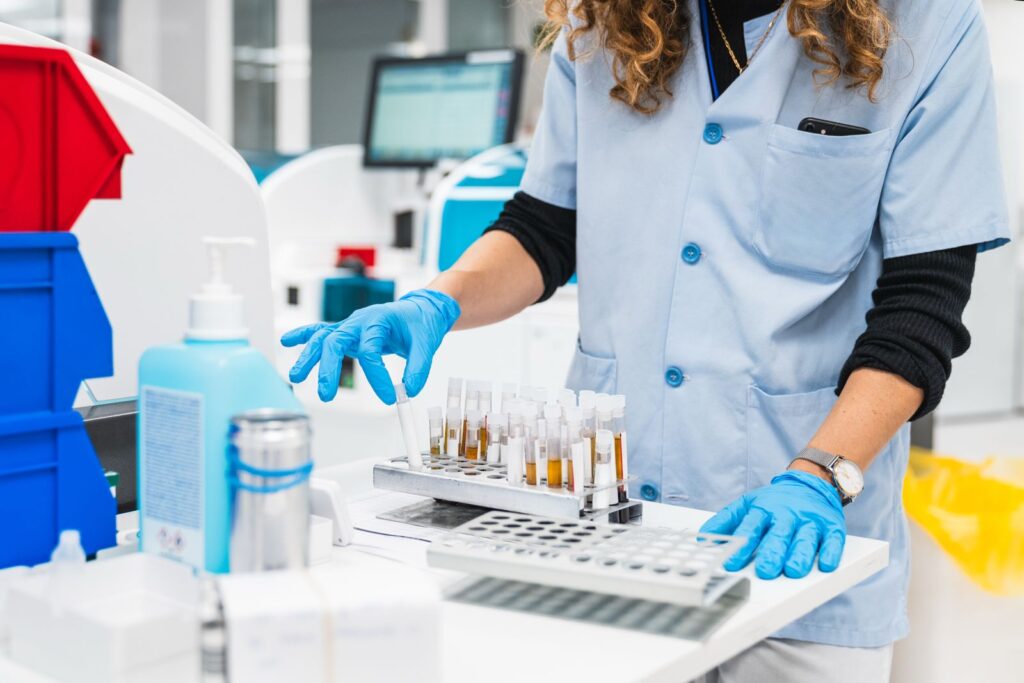
Accurate diagnosis depends on morning labs and the right panels. Order labs between 7:00 and 10:00 AM when testosterone peaks. Key tests include total testosterone, free testosterone or calculated free testosterone, luteinizing hormone (LH), follicle-stimulating hormone (FSH), prolactin, estradiol, SHBG, CBC, CMP, and PSA if age appropriate.
Typical lab targets and flags: total testosterone below 300 ng/dL is commonly used as a diagnostic threshold, though symptoms and free testosterone matter too. Elevated LH suggests primary testicular failure; low or normal LH with low testosterone suggests central (pituitary) causes.
Interpreting Results and Choosing a Treatment Path
Treatment is individualized. If labs confirm low testosterone with symptoms, discuss options: lifestyle modifications, topical or injectable TRT, and adjunctive HCG therapy to preserve fertility. The choice depends on goals – symptom relief, fertility preservation, or muscle recovery.
Case example: a 45-year-old man with T total 240 ng/dL, low libido and low energy, normal LH and FSH. He wants children in the near future. A common plan is starting HCG 250-500 IU subcutaneously 2-3 times per week and delaying exogenous testosterone that can suppress spermatogenesis. If immediate testosterone is necessary, HCG often continues alongside TRT to maintain intratesticular testosterone.
TRT Protocols: Routes, Dosing, and Practical Tips
Common TRT routes include intramuscular injections, transdermal gels, and subcutaneous pellets. Each has pros and cons related to convenience, cost, and blood level stability.
- Injectable testosterone: Testosterone cypionate or enanthate, 50-200 mg weekly or divided no more than twice weekly for steadier levels.
- Topical gel: Daily dosing, useful for steady levels but risk of transference to partners or children.
- Pellets: Implanted every 3-6 months; stable but less flexible for dose adjustments.
Monitoring and adjustment example: start at 75-100 mg weekly IM, recheck trough testosterone and labs at 6-8 weeks, then adjust by 10-25 mg increments to reach symptom relief and target testosterone in the mid-normal range, often 400-700 ng/dL depending on lab standards.
HCG Therapy: When and How to Use It
HCG mimics LH and stimulates intratesticular testosterone and sperm production. It is commonly used when fertility is a priority or to prevent testicular shrinkage on TRT. Typical dosing is 250-500 IU subcutaneously 2-3 times per week, adjusted based on response and ultrasound or semen analysis when indicated.
For men undergoing TRT who still want children, combining HCG with low-dose exogenous testosterone or using clomiphene citrate in select cases can preserve or restore spermatogenesis. Work with a reproductive specialist if fertility is urgent.
Safety Monitoring: Labs and Side Effect Management
Safety checks are essential. Monitor testosterone, estradiol, hematocrit/hemoglobin, PSA, and lipid panel at baseline, at 3 months, at 6 months, then every 6-12 months. Watch hematocrit closely; values above 52-54% often prompt dose reduction, spacing doses, or therapeutic phlebotomy.
Estradiol can rise on TRT and cause breast tenderness or emotional changes. If symptoms and labs support elevated estradiol, anastrozole or dose adjustment may be considered under specialist guidance. Always inform your provider about clotting history, sleep apnea, and prostate conditions.
Natural Strategies that Support Testosterone
Combine medical care with lifestyle interventions for better outcomes. Effective strategies include resistance training, high-quality sleep, maintaining a healthy weight, limiting alcohol, optimizing vitamin D and zinc, and managing stress. These actions lower aromatization and support endogenous production.
- Exercise: Focus on compound lifts and high-intensity intervals 3-4 times per week.
- Diet: Prioritize protein, healthy fats, and adequate calories to preserve muscle.
- Sleep: Aim for 7-9 hours nightly with consistent schedules.
Finding a Qualified TRT Provider in California
Look for board-certified endocrinologists, urologists, or primary care physicians with focused TRT experience. In California, many clinics in Los Angeles, San Francisco, San Diego, and Sacramento offer comprehensive services including onsite labs, fertility counseling, and IV hydration for post-injection recovery.
Ask candidates specific questions: how they monitor labs, experience with HCG, approach to fertility, and emergency contact processes. Verify they order morning labs and provide individualized follow-up rather than a one-size-fits-all protocol.
Practical Start-to-Finish Timeline
- Weeks 0-4: Symptom tracking and baseline morning labs.
- Weeks 4-6: Review results with clinician, discuss options, and decide on medical vs natural management.
- Weeks 6-12: Begin therapy if chosen; first follow-up labs at 6-8 weeks after starting TRT or HCG.
- Months 3-6: Optimize dose, monitor side effects, and reassess goals such as fertility or athletic performance.
- Ongoing: Labs every 6-12 months, more often if dose changes or side effects occur.
Cost, Insurance, and Accessibility
TRT costs vary. Insurance may cover diagnostic testing and TRT for documented medical necessity. Out-of-pocket expenses include medications, compounded gels, and regular lab work. Many California clinics offer transparent pricing or membership models that bundle assessments, labs, and follow-ups.
Telemedicine can accelerate access to experienced TRT providers for initial evaluation and routine monitoring, while local labs handle blood draws. For fertility concerns, plan at least one in-person visit with a specialist.
When to Seek Immediate Medical Attention
Contact your provider or seek urgent care if you experience chest pain, sudden shortness of breath, vision loss, severe leg swelling, or signs of a blood clot. These are rare but serious events associated with hypercoagulability and require immediate assessment.
Frequently Asked Questions
What symptoms suggest low testosterone in my 40s?
Common signs include persistent fatigue, reduced libido, erectile dysfunction, loss of muscle mass, weight gain especially around the abdomen, and mood changes. If three or more symptoms persist for several months, consider testing with a clinician.
How is low testosterone diagnosed?
Diagnosis requires morning blood tests measuring total testosterone and often free testosterone, plus LH, FSH, estradiol, prolactin, SHBG, and routine safety labs. Two separate morning readings are ideal to confirm low values before starting TRT.
Will TRT affect my fertility?
Exogenous testosterone can suppress sperm production and reduce fertility. If you plan to father children, discuss HCG or selective estrogen receptor modulators with your provider to preserve or restore spermatogenesis before starting TRT.
How often should labs be monitored on TRT?
Typical monitoring includes a baseline set of labs, then checks at 6-8 weeks after initiation, at 3 months, and every 6-12 months once stable. Monitor testosterone, estradiol, hematocrit, PSA, and metabolic panels to ensure safety and efficacy.
Can lifestyle changes raise testosterone without medication?
Yes, lifestyle measures like resistance training, losing excess weight, improving sleep, reducing alcohol, and addressing nutrient deficiencies can raise testosterone modestly. These steps work best alongside medical treatment when levels are significantly low.
How do I find a reputable TRT clinic in California?
Look for board-certified providers with TRT experience, transparent monitoring protocols, and coordinated fertility counseling if needed. Ask for patient outcomes, review follow-up schedules, and confirm that morning labs will be used for diagnosis.
Conclusion
Managing low testosterone in your 40s starts with careful symptom tracking, proper morning labs, and individualized treatment planning. Whether you choose lifestyle changes, HCG to protect fertility, or standard TRT, regular monitoring and a qualified provider are essential.
Take the first step by recording a two-week symptom log and scheduling morning labs with a provider who understands reproductive goals. In California, a number of specialized clinics can guide you through safe, effective, and evidence-based care.
Disclaimer
This blog is for informational and educational purposes only and does not constitute medical advice, diagnosis, or treatment. The content provided is based on general health information and research available as of the publication date. Individual health conditions vary, and what works for one person may not be appropriate for another.
Always consult with a qualified healthcare provider before starting any new treatment, including testosterone replacement therapy (TRT), making changes to existing treatments, or if you have questions about your specific health condition. Never disregard professional medical advice or delay seeking it because of information you read on this blog.
If you are experiencing a medical emergency, call 911 or your local emergency services immediately. The information on this website does not create a doctor-patient relationship and should not be used as a substitute for professional medical advice, diagnosis, or treatment.