

Many men in their 30s to 60s notice a slow decline in sexual drive, energy, and muscle mass. These changes often point to low testosterone, but patients and clinicians need a clear plan to diagnose and treat the problem safely and effectively.
This guide explains how testosterone replacement therapy (TRT) can restore libido and energy, what tests matter, common treatment protocols, HCG use to protect fertility, and natural steps you can take before or alongside medical therapy. It includes practical checklists and timelines you can use when you meet a provider in California or by telemedicine.
Recognizing low testosterone: symptoms and screening
Low testosterone often shows as a cluster of symptoms. Common complaints include low libido, erectile dysfunction, fatigue, weight gain, reduced muscle mass, and mood changes.
When evaluating symptoms, clinicians look for pattern and severity. Ask yourself: have sexual drive and morning erections declined? Do you feel unusually tired despite sleep? If yes, schedule a medical assessment with baseline labs.
Essential lab testing before treatment
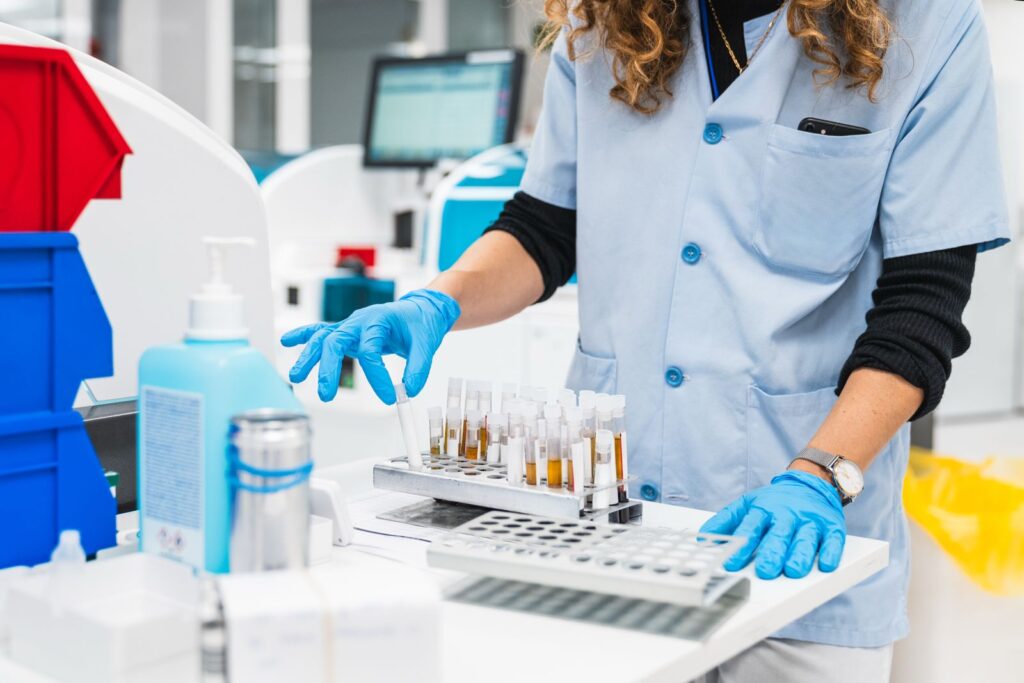
Accurate diagnosis requires morning lab testing and a few key biomarkers. Order tests between 7 AM and 10 AM after an overnight fast whenever possible.
- Total testosterone (2 separate draws on different mornings if results are borderline)
- Free testosterone or calculated free testosterone if SHBG is abnormal
- Sex hormone binding globulin (SHBG)
- Luteinizing hormone (LH) and follicle-stimulating hormone (FSH) to determine central versus primary hypogonadism
- Prolactin and estradiol if clinically indicated
- Complete blood count (CBC), comprehensive metabolic panel (CMP), lipid panel, and PSA for baseline safety
These tests establish the cause of low testosterone and screen for conditions that change treatment. For example, low LH with low testosterone suggests secondary hypogonadism, which alters management.
TRT protocols: doses, delivery options, and monitoring
There is no single dose that fits every man. Providers individualize therapy based on symptoms, labs, and preferences. Common options include injections, topical gels, and subcutaneous pellets.
- Injections: Testosterone cypionate or enanthate at 50-200 mg per week, often given as 100 mg twice weekly or 200 mg every 7-14 days. Splitting doses reduces peaks and troughs.
- Topical gels: 25-100 mg applied daily to dry skin. Gels avoid needles but risk transfer to partners or children.
- Pellets: 75-150 mg implanted every 3-4 months; they provide steady levels but require minor office procedures.
Target testosterone levels usually fall in the mid-normal adult male range, commonly around 400-700 ng/dL. Monitor labs at 2-4 weeks after dose adjustments, at 3 months, and then every 6-12 months once stable. Always check hematocrit, lipids, liver enzymes, and PSA regularly.
Safety parameters and red flags
Watch hematocrit closely; stop or lower dose if hematocrit exceeds 54 percent. Reassess cardiovascular risk factors and treat comorbid conditions. Start with baseline PSA in men over 40 and refer to a urologist for rising PSA or abnormal digital rectal exam.
HCG therapy: preserving fertility and testicular volume
Exogenous testosterone suppresses LH and can reduce sperm production. If fertility matters or testicular size is a concern, consider human chorionic gonadotropin (HCG) co-therapy.
Typical HCG dosing ranges from 250 IU to 500 IU given subcutaneously 2-3 times per week. HCG stimulates the testes to produce testosterone and maintains intratesticular testosterone levels needed for spermatogenesis.
For men actively trying to conceive, alternative approaches like clomiphene citrate 25-50 mg every other day or gonadotropin regimens may be preferable. Discuss reproductive goals before starting TRT.
What to expect: timelines and outcomes
Clinical response follows a general timeline. Libido and sexual desire may improve within 2-6 weeks. Energy and mood usually improve in 3-12 weeks. Muscle mass and strength gains show up in 3-6 months with resistance training.
Track outcomes with simple measures: a symptom checklist scored 0-4 for libido, energy, erections, and mood. Reassess every 4-12 weeks until you and your provider agree on clinical success.
Natural and lifestyle strategies that help
TRT works best when combined with lifestyle changes. Many men see synergistic benefits from targeted habits.
- Resistance training: Lift weights 2-4 times per week to increase muscle mass and insulin sensitivity.
- Body composition: Aim for a healthy weight; losing 5-10 percent body weight can improve testosterone naturally.
- Sleep hygiene: Prioritize 7-9 hours of sleep per night to support hormonal regulation.
- Nutrition and supplements: Optimize vitamin D, correct zinc deficiency, and maintain adequate protein. Use supplements only with provider approval.
- Limit alcohol and manage stress: Heavy alcohol use and chronic stress lower testosterone and impair sexual function.
Practical steps for your first appointment
Prepare a concise history and bring prior labs if available. Use this checklist to streamline the visit:
- Record symptoms and timelines with specific examples.
- List all medications, supplements, and recreational substances.
- Bring morning lab results or order them through your provider before treatment.
- State fertility goals and partner plans clearly.
- Discuss monitoring schedule and who will handle follow-up labs.
If you live in California, ask about licensed telemedicine TRT clinics and local urology or endocrinology referrals. Many clinics provide hybrid care with local lab draws and remote follow-up.
Example clinical scenario
John is a 42-year-old in San Diego with 12 months of progressive low libido, fatigue, and a 10-pound weight gain despite regular gym sessions. Two morning total testosterone levels measured at 220 and 240 ng/dL confirmed low testosterone. He had normal LH and FSH, normal prolactin, and a slightly elevated BMI.
After discussing fertility, John and his provider started testosterone injections at 100 mg twice weekly and added HCG 250 IU twice weekly because he wants children in the next 3 years. At 8 weeks John reported improved morning erections and increased energy. Labs at 12 weeks showed testosterone 520 ng/dL and hematocrit at 48 percent. They plan ongoing monitoring every 3 months until stable.
When to see a specialist
Refer to an endocrinologist or urologist if labs suggest primary testicular failure, pituitary disease, very low testosterone under 150 ng/dL with abnormal LH/FSH, or if you have complex comorbidities. Seek immediate care for sudden breast enlargement, a rapidly rising PSA, or signs of polycythemia.
Cost and access considerations in California
TRT costs vary by delivery method and clinic. Insurance often covers diagnostic testing but may not cover long-term therapy. Compare prices for compounded injections, proprietary gels, and clinic visit fees. Telemedicine options in California can lower travel time and allow local lab testing.
Before committing, get a written plan that includes medication costs, lab monitoring frequency, and follow-up visit policy.
Summary and next steps
Testosterone replacement therapy can meaningfully restore libido, energy, and muscle mass when used safely. Confirm the diagnosis with morning labs, discuss fertility and HCG options, choose a delivery method that fits your life, and commit to lifestyle changes that support hormonal health.
Book a consultation with a qualified California provider or a licensed telemedicine clinic. Bring the checklist above and your morning lab results to begin an evidence-based treatment plan.
Frequently Asked Questions
How is low testosterone diagnosed?
Low testosterone is diagnosed with at least two morning total testosterone measurements and supporting labs like free testosterone, SHBG, LH, and FSH. Providers also review symptoms and medical history to rule out reversible causes.
How long until TRT improves libido and energy?
Many men notice increased libido within 2-6 weeks and improved energy within 3-12 weeks. Full muscle and strength changes typically appear after 3-6 months when combined with resistance training.
Will TRT affect my fertility?
Yes, exogenous testosterone can suppress sperm production by lowering LH and FSH. If fertility matters, discuss HCG co-therapy or alternative treatments like clomiphene citrate before starting TRT.
What labs should I get before starting TRT?
Essential labs include morning total and free testosterone, SHBG, LH, FSH, prolactin, estradiol if needed, CBC, CMP, lipid panel, and PSA for men over 40. Repeat testing helps monitor safety and efficacy.
Is HCG necessary when taking TRT?
HCG is not required for every man but is recommended if preserving fertility or testicular volume is a priority. Typical dosing is 250-500 IU subcutaneously 2-3 times per week, tailored by your provider.
Can I try natural methods before starting TRT?
Yes, lifestyle changes like weight loss, resistance training, sleep optimization, and correcting nutrient deficiencies can raise testosterone and improve symptoms. However, men with significantly low lab values or persistent symptoms may still need medical therapy.
Disclaimer
This blog is for informational and educational purposes only and does not constitute medical advice, diagnosis, or treatment. The content provided is based on general health information and research available as of the publication date. Individual health conditions vary, and what works for one person may not be appropriate for another.
Always consult with a qualified healthcare provider before starting any new treatment, including testosterone replacement therapy (TRT), making changes to existing treatments, or if you have questions about your specific health condition. Never disregard professional medical advice or delay seeking it because of information you read on this blog.
If you are experiencing a medical emergency, call 911 or your local emergency services immediately. The information on this website does not create a doctor-patient relationship and should not be used as a substitute for professional medical advice, diagnosis, or treatment.