
Many men over 40 in California notice gradual declines in energy, libido, and muscle mass. These changes may signal low testosterone, a treatable condition that affects mood, sexual health, body composition, and overall quality of life.
This post explains how to recognize symptoms, get the right lab work, compare treatment options like TRT and HCG, and take practical first steps toward safe, effective care. The goal is to give clear, actionable guidance so you can have a productive conversation with a local clinician.
We include sample protocols, testing checklists, lifestyle approaches, and what to expect from the patient journey. Read on if you want to move from concern to a clear plan.
Recognizing Low Testosterone: Key Symptoms and Red Flags
Low testosterone often shows as a cluster of symptoms rather than a single issue. Common complaints include erectile dysfunction, low libido, persistent fatigue, unexplained weight gain, loss of muscle mass, and mood changes such as irritability or depression.
Be alert to symptom patterns that affect daily life – decreased work performance, relationship strain, or reduced exercise capacity. These patterns make it reasonable to ask your doctor for hormone testing.
Essential Laboratory Testing Before Treatment
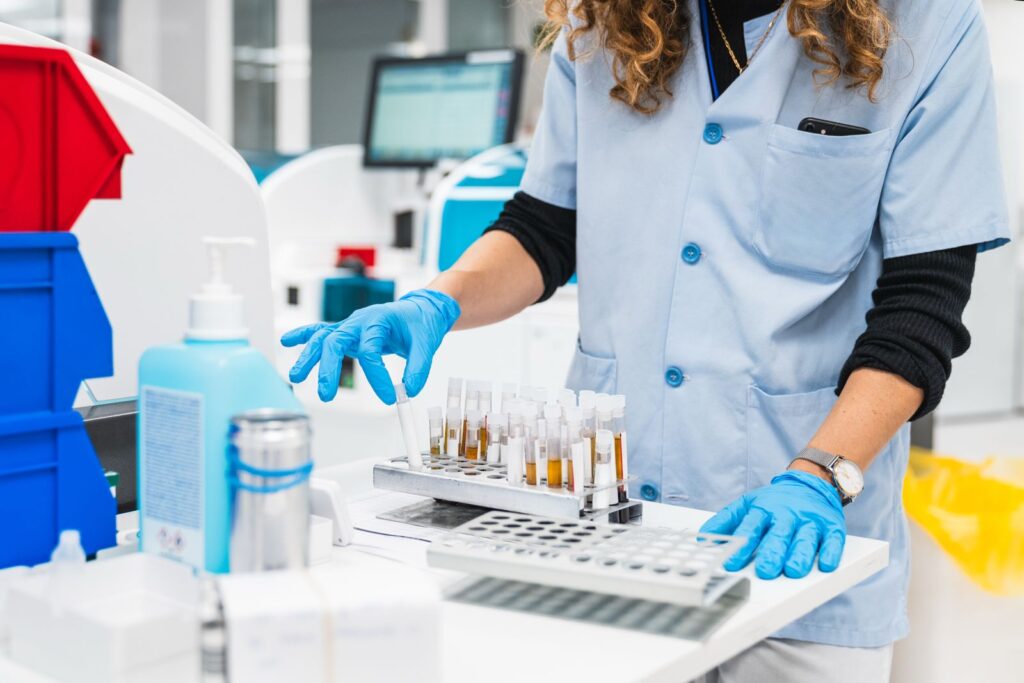
Accurate diagnosis starts with labs done properly. Order tests in the morning between 7:00 and 10:00 AM, because testosterone levels follow a daily rhythm and are highest early in the day.
A standard diagnostic panel includes:
- Total testosterone – baseline measurement
- Free testosterone or calculated free testosterone
- Sex hormone-binding globulin (SHBG)
- Luteinizing hormone (LH) and follicle-stimulating hormone (FSH) – evaluate pituitary function
- Estradiol – monitor conversion to estrogen
- Prolactin – if sexual symptoms or low LH
- CBC and CMP – monitor hematocrit, liver and kidney function
- PSA – baseline prostate screening if age appropriate
Repeat testing is useful to confirm low results and to assess diurnal variation. A confirmed low reading on two different mornings strengthens the diagnosis.
Overview of Treatment Options
Treatment choices depend on goals: symptom relief, fertility preservation, or both. Options include lifestyle interventions, exogenous testosterone therapy, and adjunctive HCG therapy when fertility matters.
Natural and lifestyle strategies
Start with changes that can raise testosterone naturally and improve treatment response. These are evidence-based, low-risk measures you can apply immediately.
- Resistance training – prioritize compound lifts 3 times per week
- Protein and calorie management – preserve muscle mass, avoid excess sugar
- Sleep hygiene – 7-9 hours nightly, consistent schedule
- Weight loss – reduce visceral fat which lowers testosterone
- Limit alcohol and smoking
Medical therapy: TRT basics
Testosterone replacement therapy restores circulating testosterone and can improve energy, sexual function, and muscle. Delivery options include injections, gels, patches, and implants. Each has pros and cons.
Examples of common injectable approaches used by clinics include weekly dosing or split dosing twice-weekly for steadier levels. Typical starting ranges often fall in 50-200 mg per week for intramuscular esters depending on symptoms and labs. Clinics adjust based on follow-up labs targeting a mid-normal serum testosterone level.
Important monitoring includes hematocrit, estradiol, liver and kidney function, and PSA where relevant. Regular follow-up ensures therapy is both effective and safe.
HCG and fertility considerations
Human chorionic gonadotropin, or HCG, mimics LH and stimulates the testes to maintain intratesticular testosterone and sperm production. Men who want to preserve fertility often use HCG alongside TRT or instead of TRT if possible.
Common HCG regimens include 500-2000 IU two to three times per week, individualized by clinicians. HCG can be used as a stand-alone strategy in younger men or intermittently to recover spermatogenesis after TRT.
Designing a Safe TRT Plan: Practical Steps
When you decide to pursue medical therapy, follow a structured plan to reduce risks and improve outcomes. Below is a stepwise approach frequently used in clinics.
- Document baseline symptoms and complete the lab panel described earlier.
- Discuss goals with a clinician – symptom relief, fertility, or athletic performance.
- Choose a delivery method and an initial dose. Consider split dosing for injections to avoid peaks and troughs.
- Recheck labs at 4-12 weeks after initiation, then every 3-6 months in the first year. Monitor hematocrit, testosterone, estradiol, and metabolic markers.
- Adjust dose to reach target mid-normal testosterone and to reduce symptoms while avoiding high hematocrit or elevated estradiol.
Documentation and open communication with your clinician reduce surprises. Share side effects promptly and ask for lab printouts to track trends.
Common Side Effects and Safety Measures
TRT can cause increases in hematocrit, fluid retention, and changes in mood or sleep. It may also affect fertility. Most side effects are manageable with dose adjustment or with adjunctive therapies like HCG or anastrozole if estradiol becomes elevated.
Safety measures include routine blood count checks, periodic PSA assessments for men over 40, and metabolic monitoring. If hematocrit exceeds 54 percent, clinicians often reduce dose or perform therapeutic phlebotomy.
What to Expect – Patient Journey and Timeline
Improvements start at different times for different symptoms. Libido and energy often improve within 2-6 weeks. Muscle mass and strength gains typically appear after 8-16 weeks with consistent resistance training. Full mood and metabolic benefits can take 3-6 months.
Keep realistic expectations. TRT restores physiology but is not a cure for poor sleep, untreated depression, or chronic disease. Combine therapy with lifestyle changes for the best outcome.
Finding a Provider in California
Look for clinicians who perform comprehensive testing, discuss fertility, and provide follow-up labs. Clinics that customize regimens and monitor side effects offer the safest care. Ask about experience with HCG, protocols for dose adjustment, and emergency contact procedures.
Telehealth providers can supplement in-person care, but ensure they coordinate local lab work. If you have complex medical conditions, consult an endocrinologist or urologist for specialist input.
Real-World Example
Case: A 47-year-old man with fatigue, low libido, and 20 pounds of recent weight gain had a morning total testosterone of 235 ng/dL on two separate tests. He began lifestyle changes, started TRT with 75 mg testosterone cypionate per week split into two injections, and added HCG 1000 IU twice weekly to preserve fertility. At 12 weeks his testosterone measured 520 ng/dL, hematocrit remained within range, and symptoms improved significantly.
Individualization is key. The example shows combined strategy and close monitoring yield measurable benefits.
Frequently Asked Questions
What are common signs of low testosterone in men over 40?
Common signs include low libido, erectile dysfunction, persistent fatigue, increased body fat, loss of muscle mass, and mood changes. Symptoms often appear gradually and may overlap with other medical issues, so testing is important to confirm the diagnosis.
How is low testosterone diagnosed?
Diagnosis requires morning blood tests on at least two separate days measuring total testosterone and, often, free testosterone. Additional testing usually includes SHBG, LH, FSH, estradiol, CBC, CMP, and PSA to identify causes and establish a safe baseline for treatment.
What are typical TRT protocols and monitoring steps?
Common protocols include injectable testosterone given weekly or split twice-weekly, transdermal gels, or implants based on preference and medical judgment. Monitoring generally occurs at 4-12 weeks after starting therapy and then every 3-6 months, checking testosterone level, hematocrit, estradiol, and metabolic labs.
Can HCG preserve fertility while on TRT?
Yes, HCG stimulates the testes and helps maintain sperm production and intratesticular testosterone. Many clinicians use HCG alongside TRT for men who want to preserve fertility or use it to recover spermatogenesis after stopping TRT.
What risks should I know before starting TRT?
Risks include increased hematocrit, potential fluid retention, changes in mood, and reduced sperm production if HCG is not used. Routine monitoring and dose adjustments reduce these risks, and informed consent with your clinician is essential before starting treatment.
How long until I notice improvements on TRT?
Libido and energy often improve within 2-6 weeks, while muscle gains and body-composition changes typically appear in 8-16 weeks with exercise. Full benefits on mood and metabolism may take 3-6 months and depend on adherence to therapy and lifestyle changes.
Conclusion
Restoring testosterone after 40 is achievable with a structured approach that combines accurate testing, individualized treatment, and lifestyle optimization. In California, seek a clinician who provides thorough testing, clear monitoring, and a plan tailored to your goals.
Start by documenting symptoms, ordering morning labs, and discussing fertility preferences with your provider. With proper oversight, many men regain energy, sexual function, and body composition while minimizing risks.
Disclaimer
This blog is for informational and educational purposes only and does not constitute medical advice, diagnosis, or treatment. The content provided is based on general health information and research available as of the publication date. Individual health conditions vary, and what works for one person may not be appropriate for another.
Always consult with a qualified healthcare provider before starting any new treatment, including testosterone replacement therapy (TRT), making changes to existing treatments, or if you have questions about your specific health condition. Never disregard professional medical advice or delay seeking it because of information you read on this blog.
If you are experiencing a medical emergency, call 911 or your local emergency services immediately. The information on this website does not create a doctor-patient relationship and should not be used as a substitute for professional medical advice, diagnosis, or treatment.