
Many men over 40 notice low energy, reduced libido, and difficulty recovering from workouts. These signs can point to low testosterone, but starting safe and effective testosterone replacement therapy (TRT) requires clear steps and good monitoring.
This guide explains when to consider TRT, how clinicians confirm low testosterone, practical protocols including HCG use, monitoring plans, and California-specific resources. Use this as an educational roadmap to discuss options with a qualified provider.
Recognizing low testosterone: common symptoms and when to test
Low testosterone often shows up as sexual dysfunction, low libido, erectile dysfunction, persistent fatigue, weight gain, reduced muscle mass, and mood changes. Symptoms vary by person and develop gradually, so many men attribute them to aging instead of hormone decline.
If you have two or more symptoms for several months, talk to a clinician about testing. In California you can use primary care, urology, or specialized men’s health clinics; telemedicine services can also order lab tests that you can complete at a local lab like LabCorp or Quest.
Essential labs and timing
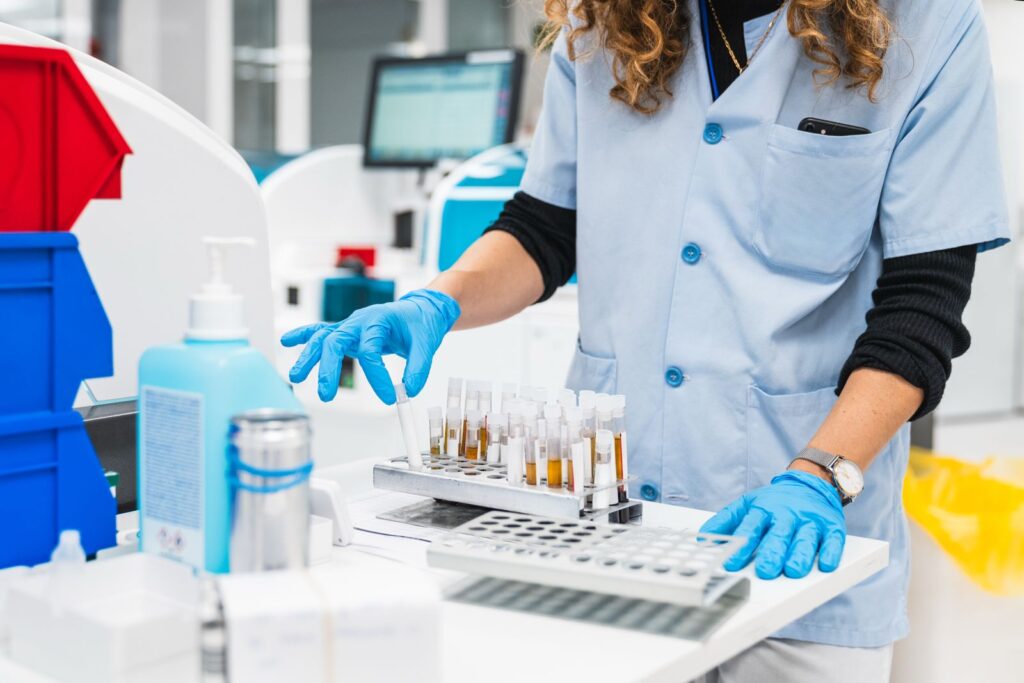
Accurate diagnosis depends on the right tests and timing. Order fasting morning labs between 7:00 and 10:00 AM because testosterone has a diurnal pattern and is highest in the morning.
Core labs to request:
- Total testosterone and free testosterone or calculated free T
- Sex hormone binding globulin (SHBG) to interpret free T
- LH and FSH to assess whether low T is primary or secondary
- Estradiol (sensitive assay)
- CBC for hematocrit and hemoglobin
- Comprehensive metabolic panel (liver, kidney)
- PSA for prostate baseline in men over 40
Interpreting results and deciding on treatment
Most labs reference total testosterone levels; values below 300 ng/dL commonly indicate low T, but symptoms matter. Low free testosterone with normal total can still cause symptoms when SHBG is high.
Evaluate LH and FSH: elevated levels suggest primary hypogonadism, while low or normal levels with low T suggest secondary causes, such as pituitary dysfunction. Address reversible causes first, like sleep apnea, obesity, medications, and uncontrolled diabetes.
TRT protocol options and practical dosing
There are several effective delivery methods: injections, transdermal gels, and subcutaneous pellets. Injections are the most adjustable and cost-effective for many men.
Common injection protocols:
- Testosterone cypionate or enanthate: 50-200 mg total per week, often split into two doses (for example 50-100 mg twice weekly) to minimize peaks and troughs
- Subcutaneous injections: same dosing, easier at-home administration for some men
- Gels: daily dosing with skin transfer precautions; dosing varies by product
Work with your clinician to individualize dose based on symptoms, labs, and adverse effects. A typical starting example: a 45-year-old man with baseline total T 240 ng/dL may begin 100 mg per week split into 50 mg twice weekly, then recheck labs at 6-8 weeks.
HCG therapy to preserve fertility
If fertility is a priority, add human chorionic gonadotropin (HCG) rather than using testosterone alone. HCG mimics LH and stimulates intratesticular testosterone production, preserving sperm production in many men.
Typical HCG dosing is 500-1500 IU injected subcutaneously two to three times per week. Combine HCG with TRT or use HCG alone in select cases; discuss semen analysis and reproductive goals with a specialist.
Monitoring schedule and safety parameters
After initiating or changing therapy, follow a structured monitoring plan to maintain safety and efficacy. Early and regular testing reduces risks and helps dose optimization.
- Check total and free testosterone, estradiol, CBC, CMP at 4-8 weeks after starting or changing dose.
- If levels are stable and symptoms improving, monitor every 3 months during the first year, then every 6-12 months.
- Watch hematocrit: values above 52% typically require dose reduction or therapeutic phlebotomy.
- Monitor PSA trends in men over 40; a rising PSA needs urology evaluation.
Managing side effects and common adjustments
Elevated hematocrit is one of the most frequent safety issues. Strategies include lowering dose, increasing dosing frequency to avoid peaks, or arranging phlebotomy. Staying hydrated and monitoring can help reduce risk of clots.
High estradiol can cause mood changes, gynecomastia, and water retention. Options include dose adjustment, increasing injection frequency for smoother levels, or short-term use of aromatase inhibitors under specialist guidance.
Lifestyle measures that boost outcomes
TRT works best combined with lifestyle changes. Encourage sleep hygiene, resistance training, and dietary adjustments focused on adequate protein and caloric balance for body composition goals.
- Strength training 3-4 times per week enhances muscle regain
- Weight loss – even 5-10% – can raise endogenous testosterone
- Correct vitamin D deficiency and ensure adequate zinc intake when appropriate
Practical steps to start TRT in California
California men have many clinic options, from academic urology practices to specialized men’s health centers and telemedicine providers. Steps to begin:
- Document symptoms and complete morning labs at a local LabCorp or Quest facility.
- Choose a clinic that reviews labs, screens for contraindications, and provides a clear monitoring plan.
- Use a licensed pharmacy or compounding pharmacy for medication. California clinics often partner with reliable compounding pharmacies and mail-order services for consistent supply.
Insurance coverage varies. Many insurers require documented low lab values and trial of conservative measures. Ask your clinic for prior authorization support when needed.
Sample patient journey: an example scenario
John, age 48, reports fatigue and low libido. Morning labs show total T 260 ng/dL, free T low, normal CMP, hematocrit 44%. His clinician rules out reversible causes and starts 75 mg per week divided into 37.5 mg twice weekly, with 1000 IU HCG twice weekly because John wants children.
At 6 weeks John feels more energetic. Labs show total T 620 ng/dL, hematocrit 47%, estradiol 28 pg/mL. The clinician keeps the dose stable, monitors every 3 months, and recommends resistance training and sleep optimization to support ongoing improvement.
When to seek urgent care or specialty referral
Stop therapy and contact your provider for chest pain, sudden shortness of breath, or signs of blood clots. Refer to hematology for persistent hematocrit elevation, and to urology for concerning PSA trends or progressive urinary symptoms.
For complex secondary hypogonadism, pituitary concerns, or fertility-focused treatment, ask for an endocrinology or reproductive urology referral.
Frequently Asked Questions
How long until I feel benefits from TRT?
Many men notice improved energy and libido within 3-6 weeks, but full improvements in body composition and mood can take 3-6 months. Individual responses vary based on baseline health, dosing, and adherence to lifestyle changes.
Will TRT make me infertile?
Exogenous testosterone alone can suppress sperm production and reduce fertility. If preserving fertility, add HCG or consider alternative approaches and discuss sperm banking before starting therapy.
How often should I get blood tests while on TRT?
Initial recheck is typically at 4-8 weeks after starting or changing dose, then every 3 months in the first year, and every 6-12 months afterward if stable. Monitor testosterone, estradiol, CBC, CMP, and PSA as appropriate.
Can I get TRT through telemedicine in California?
Yes, many California clinics offer telemedicine evaluations and can order local labs and deliver prescriptions through partnered pharmacies. Ensure the provider performs appropriate testing and has a clear monitoring plan.
What are the most common side effects and how are they managed?
Common issues include increased hematocrit, elevated estradiol, acne, and fluid retention. Management includes dose adjustment, increased dosing frequency, therapeutic phlebotomy for high hematocrit, and targeted medications for estradiol control when necessary.
Are natural methods effective for low testosterone?
Lifestyle changes like weight loss, resistance training, improved sleep, vitamin D repletion, and reducing alcohol can raise testosterone modestly, especially in men with obesity. These measures should accompany medical therapy or be tried first when levels are borderline.
Next steps: Gather morning labs, document symptoms, and schedule a consultation with a qualified clinician who provides a clear monitoring plan. If you live in California, choose a provider that partners with reliable labs and pharmacies and offers follow-up care so you can pursue TRT safely and effectively.
Disclaimer
This blog is for informational and educational purposes only and does not constitute medical advice, diagnosis, or treatment. The content provided is based on general health information and research available as of the publication date. Individual health conditions vary, and what works for one person may not be appropriate for another.
Always consult with a qualified healthcare provider before starting any new treatment, including testosterone replacement therapy (TRT), making changes to existing treatments, or if you have questions about your specific health condition. Never disregard professional medical advice or delay seeking it because of information you read on this blog.
If you are experiencing a medical emergency, call 911 or your local emergency services immediately. The information on this website does not create a doctor-patient relationship and should not be used as a substitute for professional medical advice, diagnosis, or treatment.