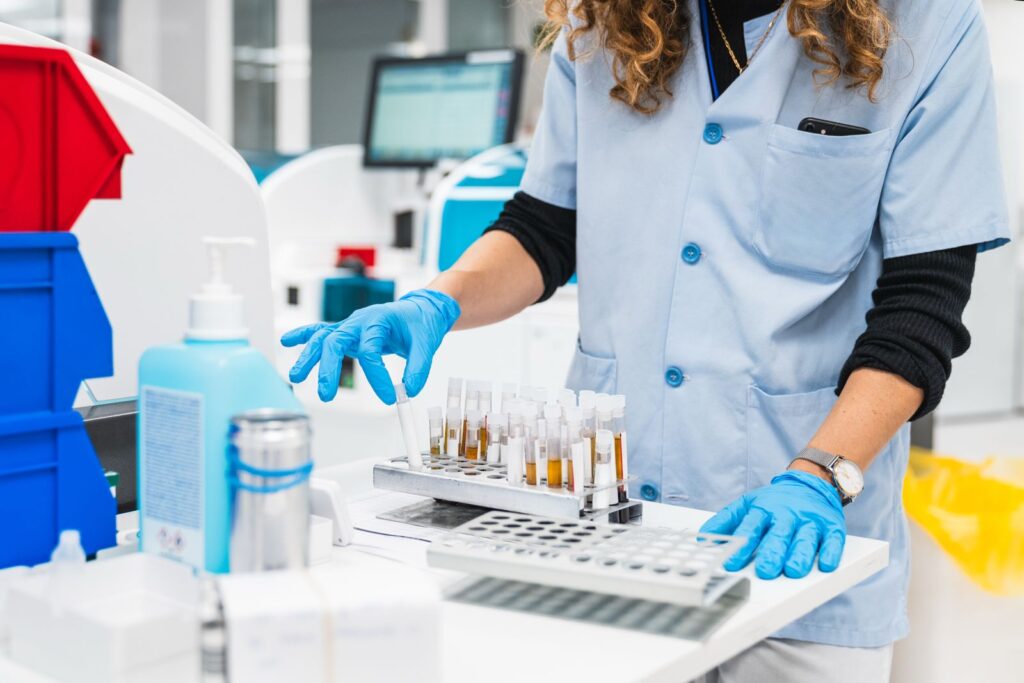

Many men in California notice creeping fatigue, low libido, and muscle loss and wonder if low testosterone is the cause. This guide explains how to recognize symptoms, get accurate testing, and begin a safe testosterone replacement therapy plan with evidence-based protocols and local considerations.
We cover step-by-step diagnostics, common TRT protocols including HCG for fertility preservation, monitoring schedules, natural-boosting strategies, and practical tips for choosing a California clinic or telehealth provider. Read on for actionable advice you can use at your next medical visit.
Recognizing Low Testosterone: Symptoms and Self-Assessment
Low testosterone can present with a patchwork of symptoms. Common signs include erectile dysfunction, low libido, persistent fatigue, weight gain especially around the midsection, reduced muscle mass, and mood changes such as irritability or low motivation.
Use this quick self-check: if you have three or more of these symptoms for at least three months, consider testing. Keep a symptom diary noting onset, severity, and any medications or health changes that could affect hormones.
Initial Evaluation: What Labs to Order and Why
Accurate diagnosis starts with the right lab panel run at the right time. Order tests between 7:00 am and 10:00 am for the most reliable total testosterone reading because levels peak in the morning.
- Total testosterone (ng/dL) – screening test; levels under 300 ng/dL are commonly considered low by many labs and professional guidelines.
- Free testosterone – helpful when SHBG is abnormal or total-T is borderline.
- Sex hormone binding globulin (SHBG) – alters free fraction and can explain discordant results.
- Luteinizing hormone (LH) and follicle-stimulating hormone (FSH) – distinguish primary from secondary hypogonadism.
- Prolactin – elevated levels can indicate a pituitary issue.
- CBC – baseline hematocrit and hemoglobin to monitor erythrocytosis risk.
- PSA and digital rectal exam as clinically indicated – to screen for prostate disease.
- Comprehensive metabolic panel and lipid panel – assess liver, kidney function, and cardiovascular risk.
- Estradiol – important if you have gynecomastia or mood swings; TRT can change aromatization.
Repeat testing on a separate morning to confirm low levels unless symptomatic with very low values. If LH is low or normal with low testosterone, investigate secondary causes such as pituitary disease or systemic illness.
Choosing a TRT Protocol: Injections, Gels, Pellets, and More
Treatment choice depends on goals, lifestyle, cost, and fertility plans. Here are common protocols and practical details.
- Intramuscular injections – testosterone cypionate or enanthate. Typical dosing is 50-200 mg per week. Many clinicians prefer 100 mg twice weekly or 50 mg every 3-4 days to maintain stable levels and reduce mood swings.
- Transdermal gels – daily application with doses ranging from 25-100 mg. Gels provide steady absorption but carry transfer risk to partners and children.
- Subcutaneous pellets – implanted every 3-6 months, delivering 75-450 mg total per insertion depending on needs. Pellets require office procedures and carry different cost profiles.
- Oral options – limited and rarely first-line in the United States; speak with your provider about risks and benefits.
Discuss administration convenience, injection frequency, insurance coverage, and monitoring plans with your clinician before starting therapy.
HCG and Fertility Preservation
If you want to maintain or preserve fertility, add human chorionic gonadotropin (HCG) to the plan. HCG mimics LH and stimulates intratesticular testosterone production, maintaining spermatogenesis while on TRT.
Common HCG dosing is 250-500 IU given subcutaneously 2-3 times per week. For men trying to conceive, many clinicians combine HCG with lower-dose TRT or use alternative agents like clomiphene citrate depending on sperm counts and hormonal profile.
Monitoring and Safety: How Often to Test and What to Watch
Monitoring prevents complications and optimizes outcomes. Typical monitoring schedule includes labs at baseline, 6-12 weeks after starting therapy, then at 6 months, and annually thereafter unless adjustments are needed.
- Testosterone levels – check trough and peak based on dosing frequency to ensure therapeutic range.
- CBC – check hematocrit and hemoglobin at baseline, 3 months, and periodically; stop or reduce dose if hematocrit surpasses 54%.
- PSA and digital rectal exam – baseline and then according to age and urology guidance.
- Liver function tests and lipids – evaluate metabolic changes.
Address side effects promptly. If you develop excessive erythrocytosis, consider dose reduction or therapeutic phlebotomy. If estradiol rises and causes gynecomastia or mood issues, discuss aromatase inhibitor options with your provider rather than self-medicating.
Practical Steps to Start TRT in California
- Document symptoms and collect a 2-4 week symptom diary before your visit.
- Schedule morning labs and bring them to your appointment or upload to the telehealth portal.
- Ask the clinic about protocols for HCG, fertility preservation, and injection training.
- Confirm cost estimates: initial consults often range from $150-300, labs $100-300 depending on panels, and monthly medication costs vary from $30 for generics to $300+ for specialized compounded formulas.
- Check state licensing and clinic reviews. Look for clinics that partner with local labs and have clear protocols for monitoring and emergency contact.
In cities like Los Angeles, San Francisco, and San Diego many clinics offer in-person and telehealth blends. If you live in a rural area, telehealth with local lab partnerships is a practical option.
Natural Strategies to Support Testosterone
TRT is not the only approach. Lifestyle changes can raise baseline testosterone and improve therapy response. Effective interventions include resistance training, prioritizing 7-9 hours of sleep, losing excess weight, and reducing alcohol intake.
- Strength training 3 times per week boosts muscle and testosterone.
- Vitamin D optimization to >30 ng/mL and correcting zinc deficiency support hormone synthesis.
- Manage stress with mindfulness or cognitive therapy to lower cortisol that suppresses testosterone.
Combine these habits with medical therapy for the best long-term results.
Common Patient Scenarios and Examples
Example 1: A 45-year-old with fatigue, low libido, and total-T 230 ng/dL. After confirming low levels on a repeat morning test and normal LH, the clinic started 100 mg testosterone cypionate split into 50 mg twice weekly with HCG 250 IU twice weekly to protect fertility. Labs were repeated at 8 weeks and dose adjusted to achieve mid-normal testosterone.
Example 2: A 60-year-old with low energy and mild urinary symptoms. Baseline PSA and digital rectal exam were normal, so the team began a transdermal gel and scheduled PSA checks at 6 months to monitor prostate health.
Red Flags and When to Seek Specialty Care
Refer to endocrine or urology specialists if you have very low testosterone with abnormal pituitary labs, markedly elevated prolactin, testicular atrophy, or suspected prostate cancer. Seek urgent care for sudden severe headaches or vision changes, which may indicate a pituitary mass.
Frequently Asked Questions
How is low testosterone diagnosed?
Healthcare providers diagnose low testosterone with at least two morning total testosterone measurements below the lab reference, plus consistent symptoms. Additional tests like free testosterone, LH, and prolactin help identify the cause.
Will TRT affect my fertility?
Standard TRT suppresses spermatogenesis by lowering intratesticular testosterone. If you want to preserve fertility, add HCG or discuss alternative therapies such as clomiphene citrate with your clinician.
How soon will I feel better after starting TRT?
Many men notice improved libido and energy within 3-6 weeks, while muscle gains and body composition changes often appear after 3-6 months. Individual response times vary by age, baseline health, and concurrent lifestyle changes.
What are the main risks of testosterone therapy?
Key risks include elevated hematocrit, acne, mood changes, and potential impacts on sleep apnea and cardiovascular risk in susceptible men. Regular monitoring and dose adjustments reduce these risks.
Do I need a specialist for TRT in California?
Primary care clinicians can manage straightforward TRT cases with proper protocols. Refer to endocrinology or urology for complex cases, fertility concerns, or abnormal baseline labs.
Can natural methods replace TRT?
Lifestyle measures such as resistance training, weight loss, improved sleep, and vitamin D optimization can raise testosterone and complement therapy, but they may not fully replace TRT in men with significantly low levels and symptoms.
Conclusion
Starting TRT safely requires a clear diagnosis, a tailored treatment plan, and structured monitoring. In California, you have access to a range of competent telehealth and in-person clinics that follow evidence-based protocols including the option to add HCG for fertility preservation.
Prepare for your first visit with morning labs, a symptom diary, and targeted questions about monitoring, costs, and long-term planning. Work closely with a licensed provider to maximize benefits and minimize risks.
Disclaimer
This blog is for informational and educational purposes only and does not constitute medical advice, diagnosis, or treatment. The content provided is based on general health information and research available as of the publication date. Individual health conditions vary, and what works for one person may not be appropriate for another.
Always consult with a qualified healthcare provider before starting any new treatment, including testosterone replacement therapy (TRT), making changes to existing treatments, or if you have questions about your specific health condition. Never disregard professional medical advice or delay seeking it because of information you read on this blog.
If you are experiencing a medical emergency, call 911 or your local emergency services immediately. The information on this website does not create a doctor-patient relationship and should not be used as a substitute for professional medical advice, diagnosis, or treatment.