
Many men in California who notice low libido, persistent fatigue, erectile dysfunction, or unexplained weight and muscle loss ask whether testosterone replacement therapy, known as TRT, can help. This guide explains how to begin TRT safely, what labs to expect, common treatment protocols, and how to choose a trusted California clinic or telemedicine provider.
Below you will find a clear patient journey, practical preparation steps for your first visit, actionable monitoring plans, and natural strategies to complement medical therapy. The information is meant to educate and help you take the next step toward evaluation with a licensed provider.
Recognizing Symptoms and Preparing for Evaluation
Start with a simple symptom checklist. Key signs of low testosterone include low libido, erectile dysfunction, chronic fatigue, loss of muscle mass, unexplained weight gain, and mood changes such as increased irritability or depression. Keep a two-week symptom diary noting sleep, energy, sexual function, and exercise performance.
Before your appointment gather a list of medications, prior lab work, sleep patterns, and a short medical history that notes prostate issues, breast disease, blood clots, or cancer diagnoses. Bring questions about fertility goals, since TRT can affect sperm production.
Diagnostic Labs: What Providers Will Order
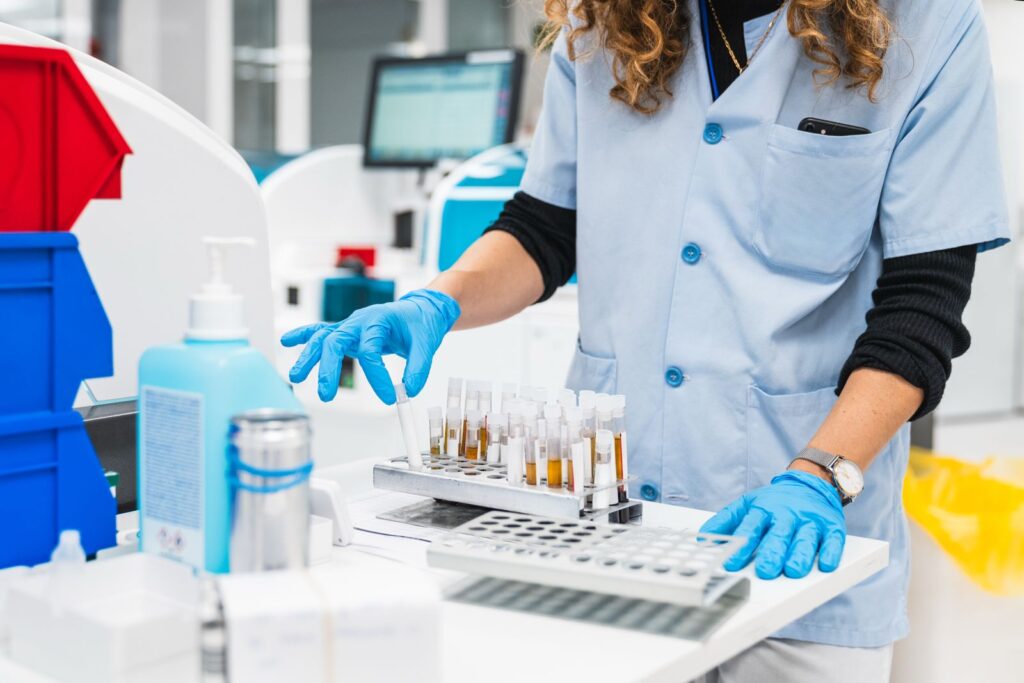
A proper diagnosis starts with morning blood draws, ideally between 7:00 and 10:00 AM when testosterone peaks. Expect this standard panel:
- Total testosterone and free testosterone
- Sex hormone binding globulin (SHBG)
- Luteinizing hormone (LH) and follicle stimulating hormone (FSH)
- Estradiol
- Prostate specific antigen (PSA) and digital rectal exam if indicated
- Hematocrit and hemoglobin
- Comprehensive metabolic panel (CMP) and lipid panel
Additional testing may include thyroid function and a semen analysis when fertility is a concern. Many California clinics will repeat low morning testosterone on a second day to confirm a true deficiency.
TRT Protocols Explained
Treatment is individualized, but common protocols include:
- Intramuscular injections: Testosterone cypionate or enanthate 50-200 mg per week or 100-200 mg every 10-14 days. Many clinicians prefer twice-weekly smaller doses to keep levels stable.
- Transdermal patches and gels: Daily application providing steady absorption; dosing varies by product.
- Subcutaneous pellets: Implanted every 3-6 months in some specialty clinics.
Initial dosing targets mid-normal to high-normal testosterone ranges and is adjusted based on symptoms and labs. Providers in California typically tailor regimens for age, comorbidities, and fertility considerations.
HCG and Fertility-Sparing Strategies
Human chorionic gonadotropin, or HCG, is often prescribed with TRT for men who want to preserve or recover fertility. HCG mimics LH and stimulates testicular testosterone production and spermatogenesis.
Typical HCG dosing is 250-500 IU two to three times per week. For younger men trying to conceive, some clinicians use HCG plus selective estrogen receptor modulators like clomiphene citrate. Discuss fertility goals before starting any TRT protocol.
Monitoring Schedule and Managing Side Effects
After starting TRT, a practical monitoring plan includes labs at 6 weeks, 12 weeks, and then every 3-6 months. Check total and free testosterone, hematocrit, estradiol, PSA, and metabolic panels.
Watch for common side effects and remedies: elevated hematocrit can be managed by dose reduction or therapeutic phlebotomy; increased estradiol may respond to dose adjustment or aromatase inhibitor in select cases; acne and hair changes are dose related. Always report chest pain, shortness of breath, or leg swelling immediately.
Choosing a California Clinic or Telemedicine Provider
Look for board-certified endocrinologists, urologists, or men’s health physicians with TRT experience. Verify clinic licensing and read patient reviews for outcomes and communication quality. California has a mix of academic centers and specialized private clinics; urban areas such as Los Angeles, San Francisco, San Diego, and Sacramento offer more in-person options.
Telemedicine is widely used for TRT initiation and follow-up in California. Ensure the provider coordinates local lab draws and has a clear plan to handle urgent issues in your area. Ask about transparent pricing and whether compounding pharmacies are used for injectable or topical formulations.
Cost, Insurance, and Practical Considerations
Insurance coverage varies. Many plans require documented low testosterone and symptom evidence. If out of pocket, expect costs from about $50 to $250 per month for medication plus clinic fees and lab testing. Pellets and compounded options may cost more.
Ask your clinic for a clear estimate, and request itemized invoices for insurance submission. Some California clinics offer membership models or bundled care plans for ongoing monitoring and labs.
Natural Strategies to Complement TRT
While medical therapy often provides the fastest symptom relief, combining it with lifestyle measures improves outcomes. Effective natural steps include:
- Quality sleep – aim for 7-9 hours and consistent sleep timing
- Resistance training 3-4 times per week to build muscle and improve insulin sensitivity
- Weight loss for men with obesity; even 5-10 percent bodyweight reduction improves testosterone
- Vitamin D optimization, zinc repletion, and avoiding excess alcohol
These changes can reduce required TRT dose and support overall cardiovascular and metabolic health.
Practical Checklist for Your First TRT Visit
- Bring two-weeks of symptom notes and any prior lab results.
- List all medications, supplements, and fertility goals.
- Plan a morning lab draw within 7:00-10:00 AM for accurate baseline testosterone.
- Ask about monitoring frequency, side-effect protocols, and emergency contact procedures.
- Request written estimates and follow-up scheduling before leaving the clinic or finalizing telemedicine enrollment.
Frequently Asked Questions
How is low testosterone diagnosed?
Low testosterone is diagnosed with two morning blood tests showing low total testosterone plus consistent symptoms such as low libido or fatigue. Providers also evaluate LH, FSH, SHBG, estradiol, and rule out reversible causes before recommending TRT.
Does TRT affect fertility?
Yes. Standard TRT can suppress sperm production by lowering LH and FSH. Men who want children should discuss HCG or alternative fertility-preserving regimens before starting therapy.
What are the common side effects of TRT?
Common side effects include increased hematocrit, acne, mood shifts, and elevated estradiol. Most are managed by dose adjustments, monitoring, or temporary treatment pauses under medical supervision.
How often should labs be monitored on TRT?
Typical monitoring is at 6 weeks and 12 weeks after initiation, then every 3-6 months once stable. Key labs include total and free testosterone, hematocrit, estradiol, PSA, and metabolic markers.
Can I get TRT through telemedicine in California?
Yes, many California providers offer telemedicine for evaluation and follow-up, but they will require local lab testing and may need an in-person exam for certain conditions. Confirm that the telemedicine provider coordinates labs and urgent care referrals locally.
Will lifestyle changes replace the need for TRT?
Lifestyle improvements such as weight loss, sleep optimization, and resistance training can raise testosterone modestly and improve symptoms, but men with true hypogonadism often need medical therapy for full symptom relief. Combining both approaches gives the best long-term results.
Conclusion
Starting TRT in California is a structured process: recognize symptoms, confirm low testosterone with proper labs, discuss fertility and risks, and choose an experienced provider who will personalize dosing and monitoring. Use the preparation checklist above and pursue lifestyle changes alongside medical therapy to maximize benefits. When in doubt, seek a second opinion from a board-certified endocrinologist or urologist to ensure safe, effective care.
Disclaimer
This blog is for informational and educational purposes only and does not constitute medical advice, diagnosis, or treatment. The content provided is based on general health information and research available as of the publication date. Individual health conditions vary, and what works for one person may not be appropriate for another.
Always consult with a qualified healthcare provider before starting any new treatment, including testosterone replacement therapy (TRT), making changes to existing treatments, or if you have questions about your specific health condition. Never disregard professional medical advice or delay seeking it because of information you read on this blog.
If you are experiencing a medical emergency, call 911 or your local emergency services immediately. The information on this website does not create a doctor-patient relationship and should not be used as a substitute for professional medical advice, diagnosis, or treatment.