
Many men in California face low testosterone and want clear, practical steps to feel better. This guide explains symptom recognition, diagnostic testing, treatment protocols, and how HCG works with testosterone replacement therapy. It also covers safety, monitoring, and natural strategies you can start today.
If you are considering therapy, this article walks you through a real-world patient journey, actionable lab targets, and how to choose a licensed clinic in California. The goal is to give you a professional, step-by-step plan so you can discuss options confidently with a provider.
Recognizing low testosterone symptoms
Low testosterone commonly shows as reduced libido, erectile dysfunction, fatigue, loss of muscle mass, weight gain, and mood changes. Men often report difficulty concentrating and lower exercise tolerance. Symptoms can appear gradually, so tracking changes over months helps identify a pattern.
Use a short self-assessment: note libido, morning erections, energy levels, sleep quality, and recent changes in body composition. If several items are worse than one year ago, consider testing.
Diagnostic testing: what to order and when
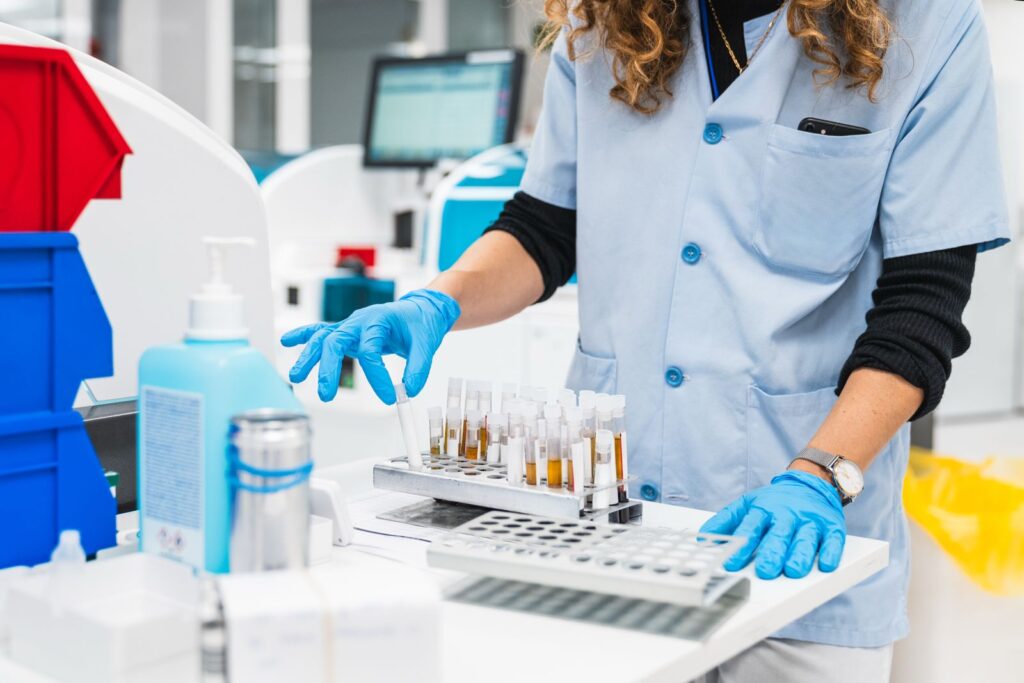
Accurate diagnosis starts with lab tests performed in the early morning on two separate days when possible. Order total testosterone, free testosterone, SHBG, LH, FSH, and a complete blood count with hematocrit. Add PSA and lipid panel for baseline safety.
- Total testosterone normal range: about 300-1000 ng/dL; values under 300 on two tests suggest deficiency.
- Free testosterone gives context when SHBG is abnormal, such as with obesity or thyroid disease.
- LH and FSH help distinguish primary from secondary hypogonadism.
Example: a 45-year-old man with total testosterone of 220 ng/dL, low libido, and fatigue should have repeat testing plus LH and FSH to guide whether HCG or other fertility-preserving measures are needed.
TRT protocols: options and dosing examples
TRT is available as intramuscular injections, transdermal gels, and subcutaneous pellets. Injections are the most adjustable and cost-effective. Common injection schedules are 50-200 mg of testosterone cypionate or enanthate per week, divided into two doses to avoid peaks and troughs.
Targets on therapy usually aim for total testosterone between 400-800 ng/dL, while monitoring symptoms. Labs should be checked at 4-8 weeks after starting or changing dose, then every 3-6 months once stable.
HCG therapy: preserving fertility and testicular health
Human chorionic gonadotropin, or HCG, mimics LH and stimulates intratesticular testosterone production. HCG is commonly prescribed with TRT for men who wish to preserve fertility or avoid testicular shrinkage.
Typical dosing is 250-500 IU subcutaneous 2-3 times per week. For men actively trying to conceive, doses may be higher and combined with other agents like FSH or SERMs under specialist supervision.
- Example protocol for preservation: TRT injections weekly plus HCG 250 IU subcutaneously Monday and Thursday.
- Monitor semen analysis, LH, FSH, and testosterone when using HCG for fertility.
Monitoring and lab follow-up
Initial follow-up labs at 4-8 weeks confirm therapeutic levels and adjust dose. Check hematocrit and hemoglobin to screen for polycythemia; maintain hematocrit under 54 percent.
PSA should be measured at baseline and periodically, especially for men over 40. Lipids and liver enzymes are useful at baseline and yearly. If hematocrit rises, reduce dose or increase phlebotomy frequency.
Safety concerns and contraindications
TRT is contraindicated in men with untreated prostate cancer or a high risk of prostate cancer until evaluated. Active breast cancer is another contraindication. Uncontrolled heart failure or recent major cardiovascular events warrant caution and specialist input.
Common side effects include acne, mood changes, fluid retention, and increased hematocrit. Many are manageable with dose adjustment and monitoring. Discuss risks and benefits thoroughly with your clinician.
Natural methods to boost testosterone alongside therapy
Lifestyle changes complement medical treatment and sometimes improve baseline levels. Focus on high-quality sleep, resistance training, a protein-rich diet, and weight loss if overweight. Vitamin D supplementation for deficient patients and zinc for those with low levels can help.
- Sleep: aim for 7-9 hours nightly; poor sleep lowers testosterone.
- Exercise: prioritize compound lifts and progressive overload 3-4 times weekly.
- Nutrition: maintain adequate protein, reduce processed carbs, and limit excessive alcohol.
Patient journey: example timeline and expectations
Week 0: initial visit, morning labs, baseline PSA and hematocrit. Week 2-4: discuss results and decide on therapy. Week 4-8: first follow-up labs to adjust dose. Month 3: symptom improvement expected in libido and energy for many men. Month 6-12: muscle mass and body composition improvements are common with consistent training.
Set realistic goals and use symptom tracking. Many men report measurable benefit by 8-12 weeks, but full recovery of strength and body composition can take 3-6 months.
How to find a licensed TRT clinic in California
Look for board-certified endocrinologists, urologists, or licensed primary care physicians with TRT experience. Confirm the clinic performs in-person exams and lab testing, not only remote prescriptions without testing.
Ask about their HCG protocols, monitoring schedule, and experience with fertility-preserving strategies. Request sample treatment plans and pricing. California clinics often offer telemedicine follow-up but require initial labs and a physical exam.
Cost and insurance considerations
Insurance coverage for TRT varies. Some plans cover diagnosis-related testing but not interventional treatment. Out-of-pocket costs include medication, labs, and clinic visits, which can range widely depending on route of administration.
Compare clinic packages, ask about lab fees, and check if pharmacies offer compounded HCG costs. Many clinics provide transparent pricing or membership models to reduce monthly expenses.
Alternatives to TRT plus HCG
For men who want to maintain fertility without exogenous testosterone, clomiphene citrate is an option that increases endogenous testosterone by stimulating the hypothalamic-pituitary axis. It is oral and preserves sperm production in many cases.
Discuss alternatives with a specialist, especially if fertility is a primary goal. Each therapy has different monitoring needs and side effect profiles.
Action plan: next steps for California patients
- Track symptoms for 4-8 weeks and record morning erections, libido, energy, and sleep.
- Schedule a clinic visit and request morning total testosterone, free testosterone, LH, FSH, SHBG, CBC, and PSA.
- If low, discuss TRT options and whether HCG is appropriate for fertility preservation.
- Start therapy with a clear monitoring plan: labs at 4-8 weeks, then every 3-6 months.
- Adopt lifestyle changes: sleep, resistance training, weight loss, and nutrient repletion.
Frequently Asked Questions
What lab tests confirm low testosterone?
Morning total testosterone on two separate days is required, often with free testosterone, SHBG, LH, and FSH. Add CBC for hematocrit and PSA for baseline prostate screening.
How does HCG preserve fertility when on TRT?
HCG mimics LH and stimulates the testes to produce testosterone and sperm, reducing testicular shrinkage and preserving spermatogenesis. Typical dosing is 250-500 IU 2-3 times per week.
How soon do symptoms improve after starting TRT?
Energy and libido may improve within 4-8 weeks for many men, while muscle mass and body composition often take 3-6 months with consistent training. Individual response times vary.
Is TRT safe for men over 40 in California?
TRT can be safe when monitored by a qualified clinician and after screening for prostate disease and cardiovascular risks. Regular lab monitoring is essential to identify side effects early.
Can I use telemedicine to start TRT in California?
Yes, many California clinics offer telemedicine for follow-up and some initial assessments, but most require baseline labs and an in-person exam or documented local physical exam before starting therapy.
What are common side effects of TRT with HCG?
Common effects include acne, fluid retention, mood changes, and increased hematocrit. HCG can cause mild injection-site reactions and, less commonly, mood swings due to hormonal shifts.
How often should labs be repeated while on TRT?
Check labs 4-8 weeks after starting or changing dose, then every 3-6 months once stable. Continue annual PSA and lipid checks unless more frequent monitoring is advised.
Starting TRT with HCG is a personalized process. Use this guide to prepare for informed conversations with California providers and to set measurable goals. With proper testing, monitoring, and lifestyle changes, many men safely regain energy, libido, and muscle strength. Always consult a licensed clinician to design a treatment plan tailored to your goals and health history.
Disclaimer
This blog is for informational and educational purposes only and does not constitute medical advice, diagnosis, or treatment. The content provided is based on general health information and research available as of the publication date. Individual health conditions vary, and what works for one person may not be appropriate for another.
Always consult with a qualified healthcare provider before starting any new treatment, including testosterone replacement therapy (TRT), making changes to existing treatments, or if you have questions about your specific health condition. Never disregard professional medical advice or delay seeking it because of information you read on this blog.
If you are experiencing a medical emergency, call 911 or your local emergency services immediately. The information on this website does not create a doctor-patient relationship and should not be used as a substitute for professional medical advice, diagnosis, or treatment.