

Many men over 50 notice changes in energy, libido, muscle mass, and mood that trace back to declining testosterone. If you are exploring testosterone replacement therapy, adding human chorionic gonadotropin, or HCG, can preserve testicular function and fertility while improving treatment outcomes. This guide explains how to combine TRT and HCG safely, what labs and protocols to follow, and when to consult a specialist in California.
This article gives clear, actionable steps for screening, initiating therapy, monitoring, and troubleshooting. It includes real-world examples, sample dosing strategies, and lifestyle modifications so you can have an informed conversation with your provider. Use this to evaluate options and prepare for a safe, effective patient journey.
Understanding TRT and HCG: Roles and Benefits
Testosterone replacement therapy replaces deficient testosterone with exogenous hormone. It relieves symptoms like low libido, erectile dysfunction, fatigue, muscle loss, and mood changes. TRT comes in multiple forms – injections, gels, pellets, and patches – and each has different absorption and monitoring considerations.
HCG is a hormone that mimics luteinizing hormone, stimulating the testes to produce testosterone and sperm. When used with TRT, HCG can prevent testicular shrinkage and preserve fertility. Many older men benefit from HCG because it supports endogenous hormone production and improves sperm parameters when fertility is a concern.
Who Should Consider Adding HCG to TRT
Not every man on TRT needs HCG, but consider it if you have any of the following:
- Fertility goals – planning for fatherhood now or in the future.
- Testicular atrophy – shrinking testes after starting TRT or concern about loss of testicular volume.
- Desire to maintain endogenous production – older men who want hormonal flexibility and potentially lower TRT dosing.
If you have no fertility concerns and prefer a simpler regimen, TRT alone may suffice. Discuss risks and benefits with a medical professional experienced in hormonal therapies.
Essential Baseline Testing Before Starting Therapy
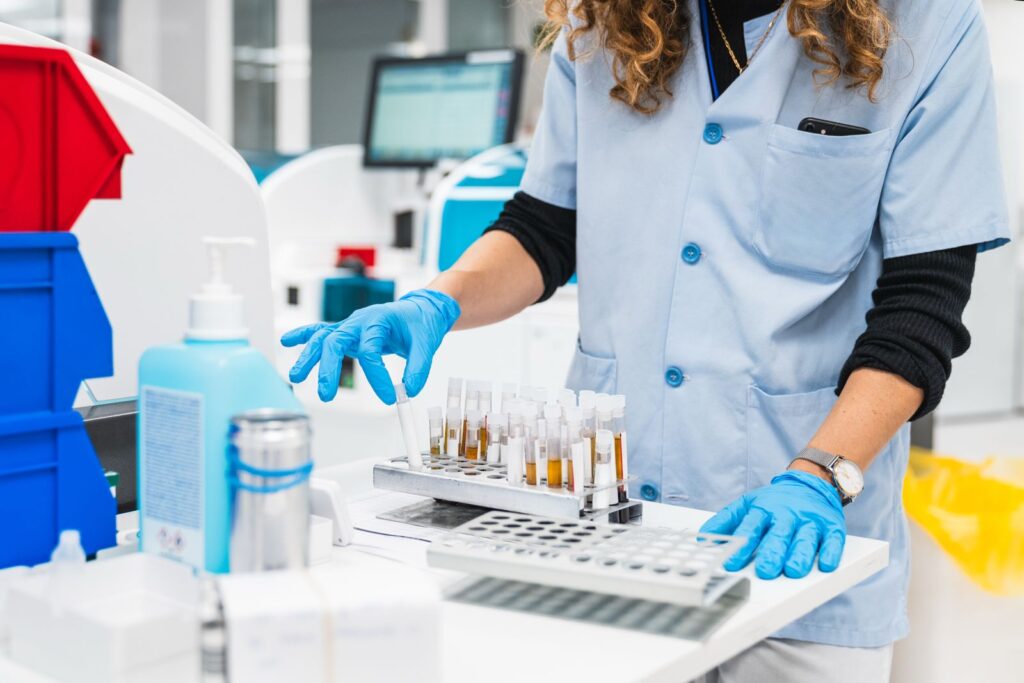
Before initiating TRT or HCG, obtain comprehensive baseline labs to guide dosing and safety monitoring. These include:
- Total testosterone (morning sample, 7-10 AM)
- Free or bioavailable testosterone
- Follicle-stimulating hormone and luteinizing hormone
- Prostate-specific antigen (PSA)
- Hemoglobin and hematocrit
- Liver function tests
- Fasting lipid panel and fasting glucose or A1c
- Baseline semen analysis if fertility is a goal
Imaging or urology referral is appropriate for abnormal PSA or reflex findings. Document symptoms with a validated questionnaire, such as the Aging Male Symptom score, to track clinical response.
Sample Protocols: Practical Starting Strategies
Protocols vary by provider. Below are two commonly used, practical examples to discuss with your clinician.
- Injection-based TRT plus HCG
- Testosterone cypionate 100 mg intramuscular every 7 days
- HCG 500 IU subcutaneous two to three times per week
- Lower-dose TRT with HCG to preserve testicular function
- Testosterone enanthate 50-75 mg intramuscular every 7 days
- HCG 500 IU subcutaneous three times per week
Adjust doses based on symptoms, trough and peak testosterone levels, and side effects. Some clinicians use HCG on alternate days when fertility is critical. Transdermal TRT (gels) can be combined with HCG at similar HCG doses when injections are not desired.
Monitoring Schedule and Lab Targets
After starting therapy, a structured monitoring plan reduces risk and optimizes results. Recommended checkpoints:
- 4-6 weeks: clinical check-in and side-effect review
- 8-12 weeks: repeat morning total testosterone, hematocrit, and PSA
- Every 3-6 months: hematocrit and symptom assessment
- Annually: fasting lipids, liver panel, A1c
Target mid-range physiologic total testosterone for younger men is often 400-700 ng/dL, but targets vary with age and symptoms. Maintain hematocrit below 54 percent to reduce thrombotic risk. If PSA rises significantly, evaluate with your urologist.
Managing Common Side Effects
ED or low libido often improve within 4-12 weeks, but mood and energy may take longer. Common side effects and practical fixes:
- Elevated hematocrit – reduce dose or increase dosing frequency; consider phlebotomy if persistent above 54 percent.
- Fluid retention – reduce sodium, optimize dosing, or reassess cardiovascular status.
- Gynecomastia – check estradiol and consider aromatase inhibitor therapy under specialist care.
- Acne or oily skin – topical treatments and dose adjustments can help.
When using HCG, watch for mood swings, injection-site reactions, or breast tenderness. Individualize management and involve endocrinology or urology as needed.
Preserving Fertility: Practical Tips
If preserving fertility is the priority, plan before starting TRT. Options include:
- Start HCG at 500 IU three times per week with TRT to maintain spermatogenesis.
- Consider a stop-and-restore protocol: discontinuing TRT and using HCG plus selective estrogen receptor modulators to recover sperm production when needed.
- Bank sperm prior to TRT if immediate fertility is desired and treatment cannot be delayed.
Fertility outcomes vary by age and baseline testicular function. Work with a reproductive specialist for personalized planning.
Natural Strategies to Complement TRT
Lifestyle interventions enhance therapy benefits and may reduce required medication doses. Recommended strategies:
- Resistance training – 2-3 times per week to restore muscle mass and boost insulin sensitivity
- Protein-focused nutrition – aim for 0.6-0.8 grams per pound body weight if active
- Sleep hygiene – 7-9 hours nightly to support natural testosterone rhythm
- Weight loss if overweight – losing 7-10 percent body weight can raise endogenous testosterone
Supplements like vitamin D and zinc can help if deficient. Avoid unproven herbal remedies marketed as testosterone boosters without supporting evidence.
When to See a Specialist in California
If you live in California and need hands-on evaluation, look for clinicians with experience in hormone restoration, reproductive endocrinology, or men’s health. You should consult a specialist if you have:
- Unexplained abnormal PSA or significant prostate symptoms
- History of cardiovascular events or high thrombotic risk
- Persistent hematocrit elevation despite dose changes
- Complex fertility concerns or failed attempts to recover spermatogenesis
Many clinics offer telemedicine for follow-up labs and dose adjustments, with local lab referrals for blood draws. Choose a clinic that provides clear protocols and communicates lab targets.
Real-World Case Example
John, age 56, reported low energy, decreased libido, and 10 pounds of unwanted weight gain. Baseline labs: total testosterone 220 ng/dL, hematocrit 44 percent, PSA 1.0 ng/mL. His provider started testosterone cypionate 75 mg weekly plus HCG 500 IU subcutaneous three times per week. At 12 weeks his total testosterone measured 520 ng/dL; he reported restored libido, improved workouts, and no testicular shrinkage. HCG allowed a lower TRT dose while preserving testicular volume.
This case shows how combining TRT and HCG can yield symptom relief and preserve function with careful monitoring.
Key Takeaways and Next Steps
Combining TRT and HCG can be a safe, effective strategy for men over 50 who want symptom relief while preserving testicular function. Start with comprehensive baseline labs, choose an individualized dosing protocol, and follow a strict monitoring schedule. Use lifestyle changes to amplify benefits and reduce risks.
Talk with a qualified provider to tailor therapy to your health goals. If you live in California, seek clinics experienced in men’s hormonal health that provide clear follow-up and lab monitoring. With the right plan, many men regain energy, libido, and strength while protecting long-term fertility and safety.
Frequently Asked Questions
Can HCG preserve fertility during TRT?
Yes, HCG stimulates intratesticular testosterone production and can preserve spermatogenesis in many men. It is commonly dosed at 500 IU two to three times per week alongside TRT, but individual plans vary. Work with a fertility specialist if fatherhood is immediate or critical.
What lab tests do I need before starting TRT and HCG?
Essential baseline tests include morning total and free testosterone, LH, FSH, PSA, hematocrit, liver function, and fasting lipids and glucose. Obtain a semen analysis if fertility is a concern. These results guide dosing and safety monitoring.
How often should I get labs while on TRT and HCG?
Initial labs at 8-12 weeks are standard, with hematocrit checked at 4-6 weeks and then every 3-6 months. Annual metabolic and liver panels are typical. More frequent testing may be needed for dose changes or abnormal results.
Will TRT increase my risk of prostate cancer?
Current evidence does not show TRT causes prostate cancer, but it can increase PSA in some men, requiring evaluation. Providers monitor PSA and refer to urology for abnormal rises. Discuss personal and family history of prostate disease before starting therapy.
Can I use topical TRT with HCG injections?
Yes, topical gels or creams can be combined with subcutaneous HCG injections. HCG dosing remains similar, commonly 500 IU two to three times per week, though schedules can be tailored. Ensure consistent lab monitoring and follow safe application practices to avoid transfer.
How long does it take to feel benefits from TRT and HCG?
Sexual function and energy can improve within 4-12 weeks, while muscle changes may take 3-6 months with exercise. Fertility preservation is maintained immediately with HCG, but semen quality changes may take several months. Individual responses vary.
Disclaimer
This blog is for informational and educational purposes only and does not constitute medical advice, diagnosis, or treatment. The content provided is based on general health information and research available as of the publication date. Individual health conditions vary, and what works for one person may not be appropriate for another.
Always consult with a qualified healthcare provider before starting any new treatment, including testosterone replacement therapy (TRT), making changes to existing treatments, or if you have questions about your specific health condition. Never disregard professional medical advice or delay seeking it because of information you read on this blog.
If you are experiencing a medical emergency, call 911 or your local emergency services immediately. The information on this website does not create a doctor-patient relationship and should not be used as a substitute for professional medical advice, diagnosis, or treatment.