
If you have been struggling with unexplained weight gain, particularly around your midsection, low testosterone may be playing a larger role than you realize. Many men spend years battling stubborn fat, cutting calories, and exercising more, only to see minimal results. The frustrating reality is that when testosterone levels drop, your body’s ability to maintain healthy body composition becomes significantly compromised.
Understanding the relationship between testosterone and weight is not just about aesthetics. Excess body fat, especially visceral fat that accumulates around your organs, increases your risk for metabolic disease, cardiovascular problems, and hormonal imbalances that can make the situation even worse. This creates a cycle that is genuinely difficult to break without addressing the root hormonal cause.
Testosterone Replacement Therapy (TRT) has emerged as an effective intervention for men whose weight struggles are driven by low T. But understanding how that connection works, and what realistic outcomes look like, is essential before starting any treatment plan.
How Low Testosterone Promotes Fat Storage
Testosterone plays a direct role in regulating fat metabolism and distribution throughout the body. When levels decline, the body shifts toward storing fat rather than burning it, particularly in the abdominal region. This is not simply about willpower or lifestyle choices.
At a biochemical level, testosterone influences how your cells respond to insulin and how efficiently your body uses stored energy. Low T reduces insulin sensitivity, meaning your cells struggle to absorb glucose properly, leading to higher circulating blood sugar and greater fat storage. This is why many men with low testosterone also develop markers of metabolic syndrome.
Additionally, testosterone and estrogen must remain in a careful balance. When testosterone drops, estrogen levels can rise disproportionately. Elevated estrogen in men promotes fat accumulation and can even stimulate breast tissue development, a condition known as gynecomastia. The fat tissue itself produces an enzyme called aromatase, which converts testosterone into estrogen, further worsening the imbalance.
The Vicious Cycle: Fat Gain and Further T Decline
One of the most frustrating aspects of low testosterone and weight gain is how each condition reinforces the other. As testosterone declines, fat accumulates. As fat accumulates, particularly visceral fat, aromatase activity increases. This converts more testosterone to estrogen, which further suppresses the body’s natural testosterone production.
Men caught in this cycle often feel like they are fighting against their own biology. Standard dietary advice and exercise recommendations may produce only partial results because the underlying hormonal dysfunction continues to drive fat storage regardless of caloric deficit.
Research published in endocrinology journals has shown that obese men with low testosterone who address hormonal deficiency alongside lifestyle changes achieve significantly better body composition outcomes than those who focus solely on diet and exercise. This suggests that hormonal correction is not optional, it is foundational.
What TRT Does for Body Composition
When testosterone levels are restored to a healthy physiological range through TRT, several beneficial changes begin to occur in the body. These changes do not happen overnight, but they are measurable and meaningful over time.
Increased Lean Muscle Mass
Testosterone is the primary anabolic hormone responsible for muscle protein synthesis. When levels are corrected, the body becomes more efficient at building and retaining lean muscle tissue. More muscle mass increases your resting metabolic rate, meaning you burn more calories even at rest. This metabolic advantage is one of the most significant long-term benefits of restoring healthy testosterone levels.
Reduction in Visceral Fat
Multiple clinical studies have demonstrated that TRT reduces visceral adipose tissue in men with hypogonadism. Patients in long-term TRT programs have shown meaningful reductions in waist circumference and improvements in fat-to-muscle ratios. These changes are particularly pronounced in the abdominal region, which carries the highest health risks.
Improved Insulin Sensitivity
Restoring testosterone levels improves how effectively the body uses insulin. Better insulin sensitivity means less glucose gets converted to fat, and existing fat stores become more accessible for energy. This metabolic improvement works synergistically with any dietary changes you implement, making healthy eating efforts more productive.
Realistic Expectations: What TRT Can and Cannot Do
TRT is not a weight loss drug, and it is important to approach it with realistic expectations. Men who begin therapy and do nothing else may see modest body composition improvements, but the best results come from combining hormonal optimization with consistent exercise and sound nutrition.
Most men on TRT report noticeable changes in body composition within three to six months. Early changes often include reduced water retention, improved energy that supports more active exercise, and a gradual shift in the fat-to-muscle ratio. Significant fat loss typically requires six months to two years of consistent effort alongside therapy.
It is also worth noting that TRT works most effectively for men whose weight struggles are genuinely driven by low testosterone. Men with healthy T levels who are simply overweight will not experience the same hormonal benefits. Proper lab testing to confirm deficiency is essential before starting any TRT protocol.
Lab Testing and Starting TRT for Weight Management
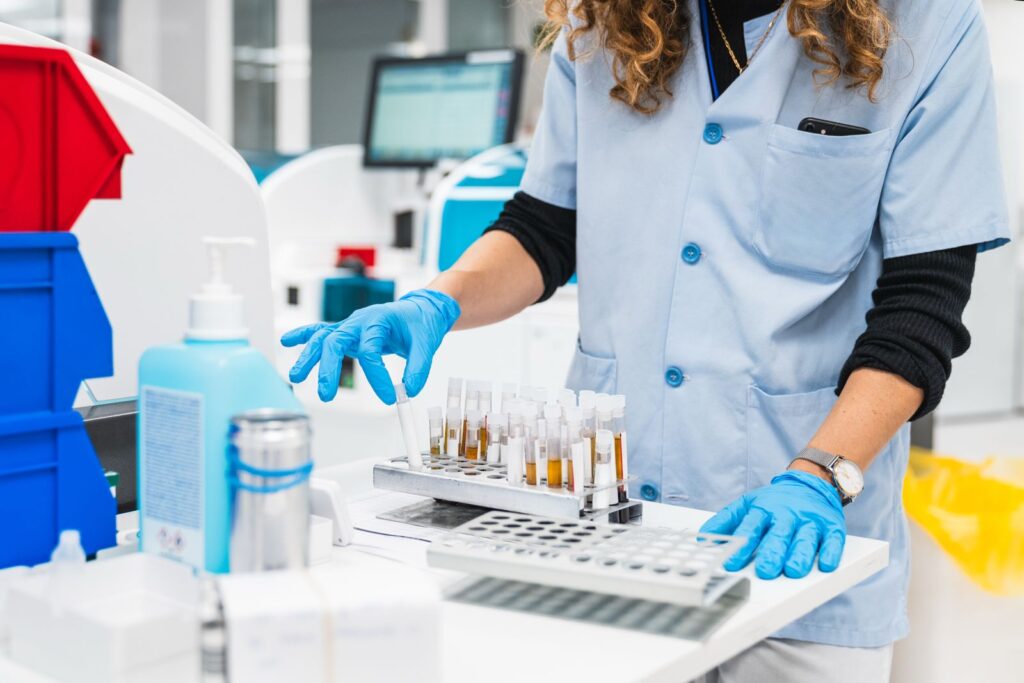
Before beginning TRT, a comprehensive hormone panel should be conducted. This typically includes total testosterone, free testosterone, luteinizing hormone (LH), follicle-stimulating hormone (FSH), estradiol, sex hormone-binding globulin (SHBG), and a complete metabolic panel. These values give your provider a full picture of your hormonal environment and metabolic health.
Men in the Chandler, Arizona area have access to specialized TRT clinics that offer thorough diagnostic evaluations before recommending any treatment protocol. A personalized approach based on actual lab values, symptoms, and health history produces far better outcomes than a one-size-fits-all prescription.
Lifestyle Factors That Amplify TRT Results
Several lifestyle modifications can significantly enhance the body composition benefits of TRT.
- Resistance training: Lifting weights at least three times per week maximizes the muscle-building response to restored testosterone levels.
- Protein intake: Consuming 0.8 to 1 gram of protein per pound of body weight daily supports muscle synthesis and satiety.
- Sleep optimization: Poor sleep suppresses natural testosterone production and promotes cortisol elevation, which drives fat storage. Aim for seven to nine hours per night.
- Stress management: Chronic cortisol elevation directly antagonizes testosterone. Practices like meditation, controlled breathing, and adequate rest help maintain hormonal balance.
- Limiting alcohol: Alcohol reduces testosterone levels and adds empty calories that promote fat storage, particularly in the abdominal area.
These habits do not replace TRT for men who are genuinely deficient, but they create the hormonal environment where therapy can deliver its full potential.
Frequently Asked Questions
Can low testosterone cause belly fat even with a healthy diet?
Yes, absolutely. Testosterone plays a direct role in how your body distributes and metabolizes fat. Even men who eat well and exercise regularly can accumulate abdominal fat when testosterone levels are clinically low because the hormonal signals that promote fat burning and muscle building are impaired. Addressing the hormonal root cause is often the missing piece.
How long does TRT take to improve body composition?
Most men begin noticing early changes within eight to twelve weeks, including improved energy and reduced water retention. More significant changes in lean muscle mass and fat reduction typically become apparent between three and six months into consistent therapy. Optimal results usually require one to two years of treatment combined with regular exercise and sound nutrition.
Will TRT make me gain weight initially?
Some men experience a slight increase in weight early in TRT due to increased water retention and the early stages of muscle building. This is generally temporary. As lean muscle mass increases and fat begins to decrease, overall body composition improves even if the scale does not drop dramatically. Body composition measurements like waist circumference and body fat percentage are better progress indicators than weight alone.
Does TRT reduce visceral fat specifically?
Clinical research shows that TRT is particularly effective at reducing visceral adipose tissue, the dangerous fat stored around internal organs. Multiple long-term studies of men with hypogonadism on TRT have demonstrated measurable reductions in waist circumference and improvements in metabolic markers associated with visceral fat reduction.
Is TRT safe for overweight men?
TRT can be used safely in overweight men with confirmed low testosterone, but dosing and monitoring must be carefully managed. Overweight men tend to have higher aromatase activity, which can convert testosterone to estrogen at elevated rates. A qualified TRT provider will monitor estradiol levels and may include aromatase management as part of your protocol to maintain hormonal balance.
What testosterone level is considered low enough to cause weight gain?
Total testosterone below 300 ng/dL is generally considered clinically low, though symptoms like weight gain, fatigue, and reduced libido can occur at levels below 400 ng/dL in some men. Free testosterone levels are equally important because SHBG can bind testosterone and reduce the amount available for the body to use. A complete hormone panel gives the most accurate picture.
Can I lose the weight from low T without TRT?
For mild deficiencies, lifestyle changes like resistance training, sleep improvement, stress reduction, and dietary adjustments can modestly raise testosterone and improve body composition. However, for men with clinically confirmed hypogonadism, these interventions alone rarely restore levels to an optimal range. TRT provides a more direct and reliable correction that makes other lifestyle efforts significantly more effective.
Disclaimer
This blog is for informational and educational purposes only and does not constitute medical advice, diagnosis, or treatment. The content provided is based on general health information and research available as of the publication date. Individual health conditions vary, and what works for one person may not be appropriate for another.
Always consult with a qualified healthcare provider before starting any new treatment, including testosterone replacement therapy (TRT), making changes to existing treatments, or if you have questions about your specific health condition. Never disregard professional medical advice or delay seeking it because of information you read on this blog.
If you are experiencing a medical emergency, call 911 or your local emergency services immediately. The information on this website does not create a doctor-patient relationship and should not be used as a substitute for professional medical advice, diagnosis, or treatment.