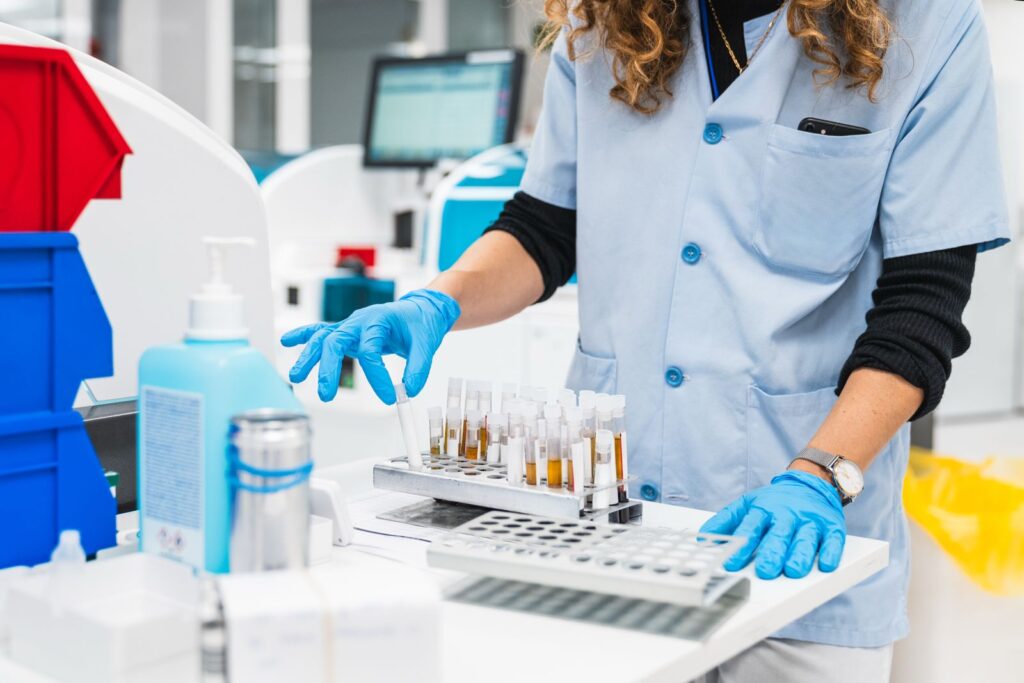

Low testosterone affects many men in California and nationwide. If you are experiencing fatigue, low libido, erectile dysfunction, weight gain, or muscle loss, understanding how testosterone replacement therapy works can help you decide on a safe, effective path forward.
This guide explains symptom recognition, diagnostic lab testing, common TRT protocols including HCG therapy, safety monitoring, and practical lifestyle steps you can start today. It also includes specific advice for finding qualified care in California and what to expect on the patient journey.
Recognizing Low Testosterone Symptoms
Symptoms of low testosterone are often gradual and can overlap with other conditions. The most common complaints are low libido, erectile dysfunction, persistent fatigue, increased body fat – especially around the midsection – reduced muscle mass, and mood changes such as irritability or depression.
Use a quick self-checklist to prioritize seeking care:
- Experienced decreased interest in sex for more than 3 months
- Noticeable drop in strength or muscle tone despite exercise
- Energy levels stay low most days despite 7-8 hours of sleep
- Sudden or unexplained weight gain, especially abdominal
- New or worsening mood problems affecting relationships or work
If you tick two or more boxes, book an evaluation with a clinician who treats hormonal issues.
How Diagnosis Works: Labs and Tests
Diagnosing low testosterone starts with properly timed labs. Total testosterone should be measured in the morning between 7-10 am on two separate days when you are fasting and rested, since levels fluctuate.
Important baseline tests include:
- Total testosterone – values under 300 ng/dL are commonly considered low by endocrine guidelines
- Free testosterone or calculated free testosterone – helpful when SHBG is abnormal
- LH and FSH – to differentiate primary versus secondary hypogonadism
- Prolactin – to screen for pituitary causes
- SHBG, CBC, CMP, fasting glucose or A1c, and PSA for men over 40
Example scenario: a 48-year-old man reports fatigue and low libido. Morning total testosterone reads 270 ng/dL and LH is low-normal, suggesting central or secondary low-T. The clinician then orders pituitary evaluation and discusses treatment options.
TRT Protocols and Treatment Options
There is no single best TRT protocol for every man. Treatment choice depends on goals, fertility plans, medical history, and convenience. Options include injections, topical gels, pellets, and rarely patches.
Injection therapy
Testosterone cypionate or enanthate injections are common and cost-effective. Typical dosing is 50-200 mg per week, often split into two smaller doses to maintain stable levels and reduce mood swings. Subcutaneous injections are an accepted alternative to intramuscular shots for daily comfort.
Topical gels and pellets
Gels are applied daily and provide steady absorption but can transfer to partners if precautions are not followed. Pellets are implanted under the skin every 3-6 months and offer convenience but require a minor procedure and careful patient selection.
HCG therapy and fertility
Human chorionic gonadotropin (HCG) is used with TRT when preserving testicular size or fertility is a priority. HCG mimics LH to stimulate endogenous testosterone production and sperm formation. Typical HCG dosing ranges from 250-500 IU administered 2-3 times per week, but protocols vary and should be tailored by a specialist.
For men actively trying to conceive, clinicians may recommend HCG with or without selective estrogen receptor modulators such as clomiphene citrate, which can stimulate natural testosterone production and support spermatogenesis.
Safety, Risks, and Monitoring
TRT is generally safe when monitored. Key risks to manage include erythrocytosis, acne, fluid retention, and potential worsening of sleep apnea. Prostate cancer risk has not been shown to increase with TRT in most studies, but baseline PSA and follow-up screening are recommended for men over 40.
- Check CBC and hematocrit at baseline, 3 months, and then every 6-12 months. Consider phlebotomy if hematocrit exceeds 54 percent.
- Monitor testosterone levels 3-12 weeks after dose changes to confirm target range and symptom improvement.
- Evaluate PSA and digital rectal exam based on age and family history.
Discuss medication interactions and cardiovascular history with your provider before starting TRT.
Natural and Lifestyle Strategies That Help
Medication is one tool, but lifestyle changes often improve symptoms and complement TRT. Targeting sleep, body composition, and nutrition provides measurable benefits within months.
- Resistance training – 3-4 sessions per week improves muscle mass and insulin sensitivity.
- Weight loss – losing 5-10 percent of body weight can increase testosterone levels, especially in men with obesity.
- Sleep hygiene – prioritize 7-9 hours nightly and treat sleep apnea if present.
- Nutrition – adequate protein, healthy fats, and micronutrients such as vitamin D and zinc support hormonal health.
Consider a 12-week plan combining strength training, 500-calorie daily deficit if overweight, and vitamin D repletion to see measurable improvements in energy and sexual function.
Finding TRT Care in California
California offers many clinics experienced in TRT, from primary care doctors with hormone training to board-certified endocrinologists and urologists. Telemedicine can handle much of the consult and follow-up, but expect to do local lab draws and in-person procedures if you choose pellets or need ultrasonography.
Ask prospective providers these direct questions:
- Are you board-certified in endocrinology, urology, or do you have advanced training in men’s health?
- Will you order the full diagnostic panel and repeat morning testosterone before starting therapy?
- How do you manage fertility concerns and do you offer HCG protocols?
- What monitoring schedule and thresholds do you use for hematocrit and PSA?
Bring recent lab results, a list of medications, and a clear statement of treatment goals to your first visit. Clinics in major metro areas such as Los Angeles, San Francisco, San Diego, and Sacramento offer both in-person visits and telehealth follow-ups for convenience.
Frequently Asked Questions
How low does testosterone need to be to start TRT?
Most guidelines use two morning total testosterone measurements below 300 ng/dL combined with consistent symptoms to consider TRT. Providers also evaluate free testosterone, SHBG, and clinical context before recommending therapy.
Will TRT affect my fertility?
Standard TRT can suppress sperm production by lowering LH and FSH, potentially reducing fertility. Using HCG or alternative therapies like clomiphene can preserve or restore spermatogenesis when fertility is a priority.
How quickly do symptoms improve on TRT?
Many men notice increased energy and libido within 3-6 weeks, while changes in body composition and strength often take 3-6 months. Individual response varies and dosing adjustments are common to optimize results.
What labs are required while on TRT?
Baseline labs should include total and free testosterone, LH, FSH, CBC, CMP, and PSA if over 40. Ongoing monitoring typically checks testosterone, hematocrit, and metabolic labs at 3 months and then every 6-12 months.
Can I do TRT without seeing a specialist in California?
Primary care clinicians can manage TRT, but seeing a board-certified endocrinologist or urologist is recommended for complex cases, fertility concerns, or abnormal baseline labs. Telemedicine clinics may be a convenient option with local lab coordination.
Is HCG necessary with TRT?
HCG is not required for all men but is useful if you want to maintain testicular volume or fertility. Your clinician will discuss HCG dosing and monitoring if preserving fertility is a goal.
Conclusion: Low testosterone is common but treatable. Start by documenting symptoms and obtaining proper morning labs. Choose a treatment plan that matches your goals, whether that includes TRT with HCG for fertility preservation or lifestyle-first strategies. In California, use telemedicine and experienced providers to access testing and follow-up efficiently.
If you are ready, bring your symptom checklist and prior lab values to a qualified clinician for a personalized plan and safe monitoring.
Disclaimer
This blog is for informational and educational purposes only and does not constitute medical advice, diagnosis, or treatment. The content provided is based on general health information and research available as of the publication date. Individual health conditions vary, and what works for one person may not be appropriate for another.
Always consult with a qualified healthcare provider before starting any new treatment, including testosterone replacement therapy (TRT), making changes to existing treatments, or if you have questions about your specific health condition. Never disregard professional medical advice or delay seeking it because of information you read on this blog.
If you are experiencing a medical emergency, call 911 or your local emergency services immediately. The information on this website does not create a doctor-patient relationship and should not be used as a substitute for professional medical advice, diagnosis, or treatment.