

Many men notice gradual changes in energy, libido, muscle mass, and mood as they age. These shifts can be caused by low testosterone, a medical condition that is diagnosable and treatable. This guide explains what low testosterone looks like, how clinicians evaluate it, and the practical options for testosterone replacement therapy – or TRT.
This article focuses on clear, actionable steps you can take if you suspect hormonal decline. It covers symptom recognition, diagnostic labs, common TRT protocols, the role of HCG for fertility, monitoring for safety, natural boosting strategies, and how to find qualified care in California.
Recognizing Low Testosterone: Symptoms and Screening
Low testosterone often presents with a combination of symptoms, not a single sign. Common complaints include erectile dysfunction, low libido, persistent fatigue, unexplained weight gain, loss of muscle, and mood changes such as increased irritability or depression.
Use this quick checklist to decide if you should seek testing:
- Reduced sexual interest or function
- Chronic low energy or poor recovery from exercise
- Difficulty building or maintaining muscle mass
- Unexplained fat gain, especially abdominal
- Frequent low mood or reduced motivation
If you checked two or more items for several months, consider a clinical evaluation and lab testing.
Diagnostic Labs: What Doctors Order and Why
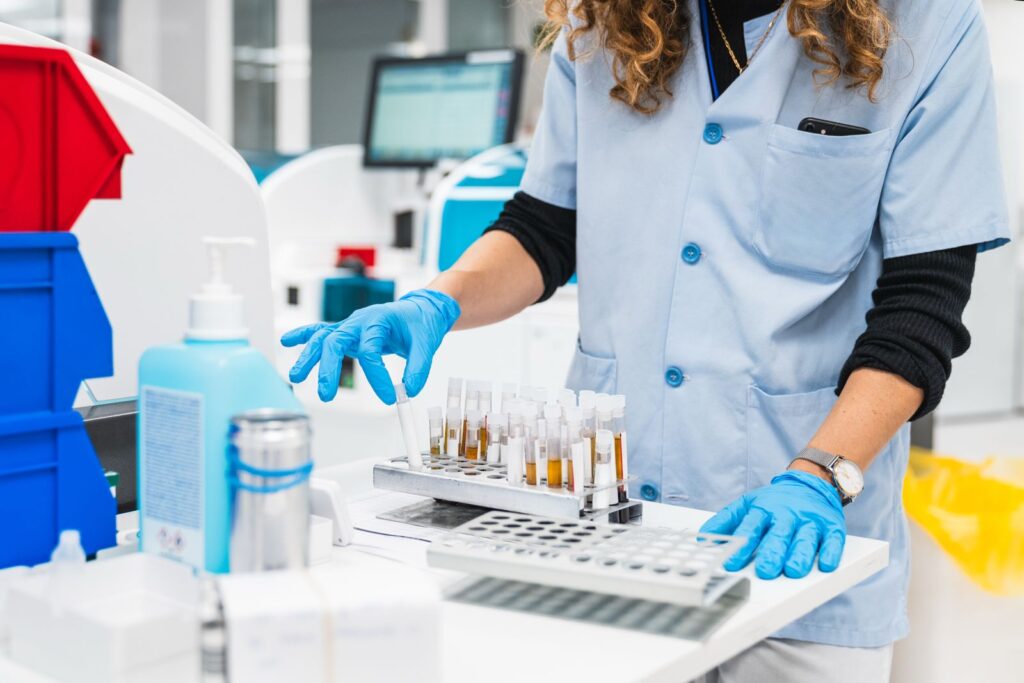
Accurate diagnosis requires morning labs and a panel that goes beyond total testosterone. Typical tests include:
- Total testosterone (drawn between 7-10 AM)
- Free testosterone or calculated free-T
- Sex-hormone binding globulin (SHBG)
- Luteinizing hormone (LH) and follicle-stimulating hormone (FSH)
- Estradiol (E2)
- Prostate specific antigen (PSA)
- Complete blood count (CBC) with hematocrit
- Comprehensive metabolic panel (CMP) and lipid panel
Interpretation examples: total testosterone under 300 ng/dL often triggers further evaluation. High LH with low testosterone suggests primary testicular failure; low LH and low testosterone point toward secondary hypogonadism, which affects treatment choices.
TRT Protocols: Common Options and Practical Dosing
TRT is individualized. Common delivery methods include injections, transdermal gels or patches, and subcutaneous pellets. Below are typical regimens used in clinical practice.
- Intramuscular testosterone cypionate or enanthate: 50-100 mg weekly or 100-200 mg every 10-14 days. Weekly dosing gives more stable levels.
- Subcutaneous injections: increasingly used at similar doses to intramuscular injections with good tolerability.
- Transdermal gels: daily dosing to deliver doses that aim to achieve physiologic serum levels; adherence and transfer risk are considerations.
- Pellets: implanted every 3-6 months, provide steady release but require minor office procedures and can complicate dose adjustments.
Goals: achieve symptom relief and serum testosterone in the mid-normal range, commonly 400-700 ng/dL, while avoiding supraphysiologic peaks that increase risk of adverse effects.
HCG Therapy: Preserving Fertility and Testicular Size
Human chorionic gonadotropin, or HCG, mimics LH and stimulates intratesticular testosterone production. It is frequently used in combination with TRT when fertility or testicular volume is a concern.
- Common HCG dosing: 250 IU every other day or 250-500 IU 2-3 times weekly, adjusted per response and semen analysis.
- HCG can be used alone in younger men who want fertility preservation, but symptom relief may be less predictable than with exogenous testosterone.
Example scenario: a 35-year-old man on TRT who wants children may add HCG 250 IU 3x weekly to maintain spermatogenesis while continuing testosterone injections at conservative doses.
Monitoring and Safety: Labs and Frequency
Safety monitoring prevents and detects complications early. Typical schedule:
- Baseline labs before starting therapy
- Recheck testosterone, hematocrit, and estradiol at 6-12 weeks after dose change
- Then every 3-6 months during the first year, then annually if stable
Watch for polycythemia (hematocrit over 52-54 percent), rising PSA, worsening sleep apnea, or high estradiol causing gynecomastia. If hematocrit climbs, options include dose adjustment, longer dosing intervals, or therapeutic phlebotomy.
Natural Strategies to Support Testosterone
TRT can be combined with lifestyle measures that support hormone health. Practical steps include:
- Weight loss and resistance training to reduce aromatization and increase muscle-driven testosterone signaling
- Prioritizing 7-9 hours of sleep per night for recovery and hormonal regulation
- Limiting alcohol and quitting smoking
- Ensuring adequate vitamin D, zinc, and magnesium if deficient
- Managing stress through mindfulness or cognitive-behavioral techniques
These interventions often improve energy, libido, and metabolic health and can reduce the needed TRT dose in some men.
Choosing a Provider in California
Quality of care matters. In California, options include primary care physicians with TRT experience, endocrinologists, urologists, and specialized men’s health clinics. Telemedicine clinics can provide convenient follow-up, but ensure they require baseline labs and local lab draws.
Look for these signs of a reputable clinic:
- Individualized treatment plans and informed consent discussion
- Baseline and ongoing lab monitoring included
- Fertility-preserving strategies when relevant
- Clear protocols for managing high hematocrit or PSA changes
Major metro areas such as Los Angeles, San Francisco, San Diego, and Sacramento have multiple qualified clinics. If you live outside those areas, telehealth combined with local lab testing is a practical alternative.
Patient Journey: Example Case
Case: a 48-year-old man with 9 months of low libido, weight gain, and decreased gym performance. Morning labs show total testosterone 240 ng/dL, low-normal LH, and hematocrit 45 percent. After shared decision-making, he begins testosterone injections 75 mg weekly with HCG 250 IU 3x weekly to preserve fertility. At 8 weeks he reports improved energy and libido; labs show total testosterone 480 ng/dL and hematocrit 47 percent. His care team continues monitoring at 3 months and adjusts dosing if needed.
Practical Tips Before You Start TRT
- Bring previous labs and a list of symptoms to your appointment
- Ask for morning testosterone measurements and a full panel
- Discuss fertility goals and whether HCG should be included
- Confirm who will manage monitoring and emergency guidance
- Understand costs, insurance coverage, and out-of-pocket options
Frequently Asked Questions
How is low testosterone diagnosed?
Diagnosing low testosterone requires morning blood tests for total testosterone plus supportive labs like free-T, SHBG, LH, and estradiol. A diagnosis usually follows symptoms plus at least two low morning testosterone readings confirmed on separate days.
How long until I notice TRT benefits?
Some improvements such as increased libido or energy may appear within 3-6 weeks, while muscle gains and body composition changes often take 3-6 months. Individual response varies based on dose, delivery method, and baseline health.
Does TRT cause infertility?
Exogenous testosterone suppresses sperm production in many men by lowering intratesticular testosterone. If fertility is a goal, discuss HCG or alternative strategies with your clinician before starting TRT.
What are common side effects and risks?
Potential risks include increased hematocrit, elevated estradiol, acne, fluid retention, and sleep apnea exacerbation. Long-term monitoring of hematocrit and PSA helps manage these risks early.
Can I get TRT via telemedicine in California?
Yes, many California clinics offer telemedicine for TRT, but they should require local lab testing and a clear monitoring plan. Verify the clinic follows standard protocols and offers in-person follow-up when needed.
Is HCG necessary for all men on TRT?
HCG is not required for all men but is recommended when preserving fertility or testicular size is important. Your provider will discuss benefits and dosing based on your goals and baseline reproductive status.
Disclaimer
This blog is for informational and educational purposes only and does not constitute medical advice, diagnosis, or treatment. The content provided is based on general health information and research available as of the publication date. Individual health conditions vary, and what works for one person may not be appropriate for another.
Always consult with a qualified healthcare provider before starting any new treatment, including testosterone replacement therapy (TRT), making changes to existing treatments, or if you have questions about your specific health condition. Never disregard professional medical advice or delay seeking it because of information you read on this blog.
If you are experiencing a medical emergency, call 911 or your local emergency services immediately. The information on this website does not create a doctor-patient relationship and should not be used as a substitute for professional medical advice, diagnosis, or treatment.