

Losing weight can improve metabolic health, but for many men it also uncovers or worsens symptoms of low testosterone. Fatigue, low libido, difficulty building muscle, and mood changes can undermine both weight-loss efforts and quality of life. This guide helps men who are dieting and exercising to identify low testosterone, choose safe treatment paths, and protect fertility and muscle mass during a calorie deficit.
The approach below combines clinical testing, evidence-based testosterone replacement therapy (TRT) options, HCG and fertility strategies, and practical lifestyle interventions you can use in California or elsewhere. Read the diagnostic checklist, step-by-step protocols, monitoring plan, and real-world tips for avoiding common pitfalls while losing weight.
Recognize the Signs: When Low Testosterone Matters
Not every man who loses weight has low testosterone, but persistent symptoms during or after weight loss deserve evaluation. Key warning signs include erectile dysfunction, falling libido, overnight or daytime fatigue, unexplained muscle loss despite resistance training, increased abdominal fat, and mood shifts such as irritability or depressed mood.
Track symptoms for 4-12 weeks while optimizing sleep, protein intake, and training. If symptoms persist, proceed to targeted lab testing rather than guessing.
Essential Lab Testing and Timing
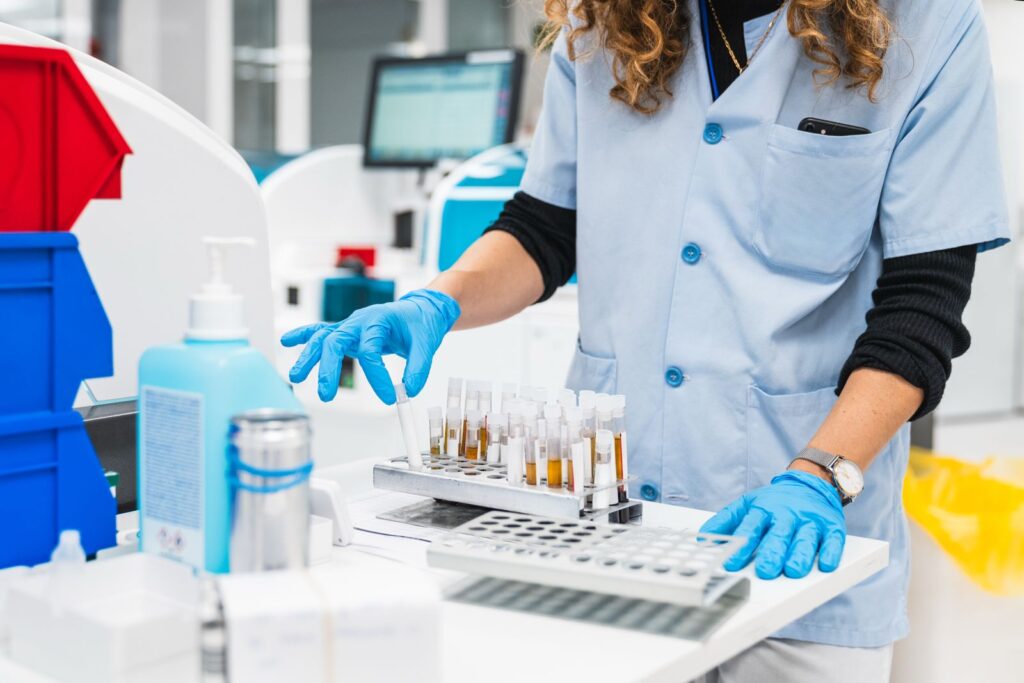
Accurate diagnosis depends on the right labs performed at the right time. Order these baseline tests after an overnight fast and before 10:00 AM when possible.
- Total testosterone and free testosterone or calculated free testosterone
- Sex hormone binding globulin (SHBG)
- Luteinizing hormone (LH) and follicle-stimulating hormone (FSH)
- Prolactin and morning cortisol if clinically indicated
- Estradiol, PSA, full metabolic panel, lipid panel
- Complete blood count for baseline hematocrit
Typical reference ranges vary by lab, but many clinicians consider total testosterone below 300 ng/dL symptomatic for men with compatible signs. Interpretation must be individualized and repeated to confirm low levels.
Conservative Options: Natural and medical alternatives
If labs are borderline, try targeted lifestyle fixes first while reassessing labs in 8-12 weeks. These measures are essential even when starting TRT because they reduce dose requirements and improve outcomes.
- Protein 1.6-2.2 g/kg ideal body weight per day to preserve muscle during a deficit.
- Strength training 3-4 times weekly with progressive overload to maintain lean mass.
- Sleep hygiene: aim for 7-9 hours and consistent bedtimes to support endocrine recovery.
- Vitamin D if deficient, zinc if low, and limit alcohol to reduce negative hormonal effects.
- Manage calorie deficit conservatively – a 10-20% deficit reduces muscle loss more than extreme dieting.
When to Use TRT: Protocols and Practical Details
TRT is indicated for men with confirmed low testosterone and persistent symptoms after reversible causes are addressed. Treatment should be supervised by a licensed clinician. In California, you can access TRT through primary care, urology, or licensed telemedicine clinics that offer lab ordering and follow-up.
Common TRT formulations and starting considerations:
- Intramuscular injections – testosterone cypionate or enanthate, typical starting regimens are 50-100 mg every 3-7 days or 100-200 mg every 7-14 days depending on symptoms and labs. Smaller, more frequent doses often yield steadier levels and fewer mood swings.
- Topical gels – daily application to clean, dry skin; good for steady levels but risk of transfer to partners or children.
- Buccal or pellets – less common; consider pros and cons with your clinician.
Goal testosterone ranges most clinicians target are about 400-800 ng/dL for symptomatic relief while avoiding supraphysiologic peaks.
Fertility Preservation: HCG and Alternatives
Standard TRT suppresses intratesticular testosterone and can reduce sperm production. If you plan future fertility, discuss fertility-sparing options before starting TRT.
- HCG therapy (human chorionic gonadotropin) mimics LH and maintains testicular function. Typical doses are 500-1500 IU given 2-3 times per week, adjusted by response and semen testing.
- Clomiphene citrate (Clomid) can stimulate endogenous LH and FSH in men with secondary hypogonadism. Common regimens are 25-50 mg every other day, useful for men who want to avoid injected testosterone.
- Discuss sperm cryopreservation prior to TRT if fertility is a high priority.
Monitoring: Labs and Safety Checks
After initiating TRT or HCG, monitor closely. Early and regular monitoring identifies side effects and helps dose adjustments.
- Check testosterone, hematocrit, and estradiol 4-12 weeks after starting or changing dose, then every 3-6 months in year one.
- Monitor PSA and digital rectal exam annually in men over 40 or earlier if risk factors exist.
- Watch hematocrit – stop or reduce dose if hematocrit rises above 52-54% and consider therapeutic phlebotomy when needed.
- Reassess symptoms, mood, energy, and sexual function alongside labs to guide changes.
Diet and Training Strategies to Preserve Muscle and Improve Testosterone
When losing weight, combine moderate caloric restriction with resistance training and periodized carbohydrate intake. Example plan:
- Consume 25-30% of calories from protein-focused meals and use peri-workout carbs around intense sessions to sustain performance.
- Use weekly refeed or higher-calorie training days to prevent prolonged low leptin and extreme testosterone suppression.
- Prioritize compound lifts such as squats and deadlifts to provide strong anabolic signals to the whole body.
These steps preserve lean mass and reduce the amount of hormonal support you may need.
Real-World Example
Case: 45-year-old man, 20 lb weight loss, persistent fatigue, low libido, baseline total testosterone 260 ng/dL, LH low. Approach:
- Optimize sleep, protein, and training for 8 weeks; repeat labs.
- With persistent low levels and symptoms, start TRT injections 75 mg every 3-4 days plus 1000 IU HCG twice weekly to preserve testicular volume and fertility potential.
- Recheck labs at 6 weeks, target testosterone 450-650 ng/dL, adjust dose as needed. Monitor hematocrit and estradiol.
This balanced approach improves energy and sexual function while supporting ongoing weight-loss goals.
Accessing Care in California
California has many TRT providers, from urologists and endocrinologists to TRT-focused clinics and telemedicine services. Use these steps to find qualified care:
- Look for licensed providers who order labs, provide written informed consent, and follow monitoring protocols.
- Confirm they discuss fertility options, HCG, and alternative therapies like clomiphene.
- Ask about cost, lab access through Labcorp or Quest, and whether they coordinate with local primary care or urology for complex cases.
Frequently Asked Questions
What tests accurately diagnose low testosterone?
Diagnosis requires morning total testosterone plus free testosterone or calculated free testosterone, SHBG, and gonadotropins (LH and FSH). Additional labs such as estradiol, prolactin, metabolic panel, and hematocrit help identify causes and establish safety prior to treatment.
Can TRT interfere with weight loss or make me gain fat?
Properly dosed TRT usually helps body composition by increasing lean mass and reducing fat when combined with diet and resistance training. Excessive or poorly monitored TRT can cause fluid retention or appetite changes, so monitoring and dose adjustments are important.
Will TRT make me infertile?
Standard TRT suppresses intratesticular testosterone and can reduce sperm production, often lowering fertility. Using HCG or choosing alternatives like clomiphene can preserve or restore fertility while treating symptoms.
How long until I feel benefits from TRT?
Energy and libido improvements often appear within 3-6 weeks, while muscle gains and fat loss may take 8-12 weeks. Individual response varies and requires dose optimization based on symptoms and labs.
Can I try natural methods before starting TRT?
Yes, optimizing sleep, protein intake, resistance training, vitamin D, and reducing alcohol can improve testosterone and should be attempted when appropriate. If symptoms persist and labs confirm low levels, medical treatment may still be needed.
Is TRT covered by insurance in California?
Coverage varies by insurer and plan. Some medical necessity claims for diagnosed hypogonadism are covered, while aesthetic or unspecified use may not be. Check with your insurer and get preauthorization when possible.
Conclusion
Managing low testosterone while losing weight requires a combined strategy of accurate diagnosis, thoughtful lifestyle changes, and individualized medical treatment when needed. Use the lab checklist and monitoring plan above, consider fertility-preserving options such as HCG, and work with a licensed clinician who follows evidence-based protocols.
If you are in California, seek a provider who offers clear lab ordering, informed consent, and coordinated follow-up. Proper care can restore energy, improve sexual function, and preserve muscle while you reach your weight-loss goals.
Disclaimer
This blog is for informational and educational purposes only and does not constitute medical advice, diagnosis, or treatment. The content provided is based on general health information and research available as of the publication date. Individual health conditions vary, and what works for one person may not be appropriate for another.
Always consult with a qualified healthcare provider before starting any new treatment, including testosterone replacement therapy (TRT), making changes to existing treatments, or if you have questions about your specific health condition. Never disregard professional medical advice or delay seeking it because of information you read on this blog.
If you are experiencing a medical emergency, call 911 or your local emergency services immediately. The information on this website does not create a doctor-patient relationship and should not be used as a substitute for professional medical advice, diagnosis, or treatment.