
Many men notice subtle changes in energy, mood, and sexual function and wonder if low testosterone could be the cause. You do not need to feel helpless: with a structured at-home assessment and targeted testing, you can gather meaningful information to share with a clinician.
This guide walks you through symptom recognition, practical self-assessment steps, which lab tests matter, and when to seek TRT evaluation in California. It also covers HCG, monitoring, and natural ways to boost hormones so you can move from uncertainty to an informed next step.
Recognize the Symptoms and Track Patterns
Low testosterone rarely appears as a single symptom. Look for a cluster of changes over 3-6 months such as low libido, erectile dysfunction, persistent fatigue, unexplained weight gain, loss of muscle mass, and mood shifts. Keep a simple symptom log to record severity and timing of problems.
Use a numeric scale – 0 to 10 – for key domains like sexual desire, energy, and sleep quality. Trend data helps clinicians differentiate hormonal decline from stress, sleep disorders, or medication effects.
At-Home Self-Assessment Steps
Follow these actionable steps before ordering labs or starting any therapy. They improve diagnostic clarity and speed up appropriate care.
- Symptom checklist: Complete a validated tool such as the ADAM questionnaire or a simple 10-item tracker of libido, erections, fatigue, mood, and cognition.
- Lifestyle inventory: Document sleep hours, alcohol use, exercise frequency, weight trend, and medications that lower testosterone such as opioids, some antidepressants, and glucocorticoids.
- Timing baseline: Plan labs for a morning blood draw between 7-10 am on two separate days if results are borderline, because testosterone has a diurnal pattern.
- At-home kits: Consider reputable at-home blood draw kits for initial screening; choose labs that report units and reference ranges and offer physician-reviewed results.
Which Lab Tests to Order and How to Interpret Them
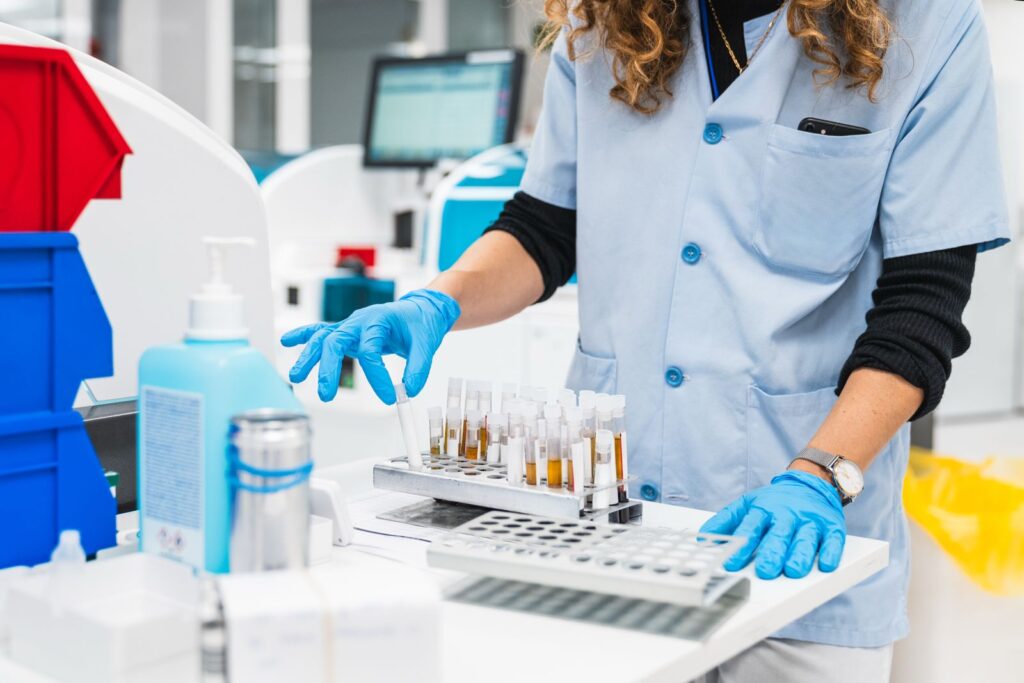
Comprehensive testing avoids misdiagnosis. Start with core hormones and safety labs, then expand based on results or symptoms.
- Total testosterone – key screening test. Levels below 300 ng/dL on morning samples are commonly considered low; 300-350 ng/dL is borderline and needs clinical context.
- Free or bioavailable testosterone – useful when SHBG is abnormal, such as with obesity, aging, or thyroid disease.
- SHBG, LH, FSH – determine central versus primary hypogonadism. Low LH with low T suggests central causes.
- Estradiol – important because aromatization can cause gynecomastia and affect mood.
- CBC with hematocrit, PSA, metabolic panel, lipid panel – safety baseline before any testosterone therapy.
Example scenario: a 48-year-old man with fatigue and low libido has total testosterone 280 ng/dL, free testosterone low, LH normal. This pattern supports symptomatic low testosterone and warrants endocrinology or TRT evaluation.
When to See a Provider and How to Present Your Findings
If your symptom log shows persistent issues and labs confirm low or borderline testosterone, schedule a visit with a primary care physician, urologist, or endocrinologist experienced in TRT. In California, many clinics provide telehealth consults with local lab orders.
Bring your symptom tracker, medication list, and lab reports. Ask about fertility goals, because some TRT forms reduce spermatogenesis and require fertility-preserving strategies such as HCG or alternative protocols.
Overview of TRT Options and Practical Protocols
Treatment is tailored to goals, fertility needs, and risk profile. Common modalities include intramuscular injections, transdermal gels, subcutaneous pellets, and nasal formulations. Each has pros and cons for convenience, steady-state levels, and cost.
- Injections – testosterone cypionate or enanthate are common. Typical starting regimens range from 50-100 mg weekly to 100-200 mg every 1-2 weeks, adjusted to achieve mid normal-range testosterone and minimize peaks and troughs.
- Topical gels – provide steady daily absorption but require caution to avoid transfer to partners or children.
- HCG therapy – human chorionic gonadotropin mimics LH and supports testicular testosterone production and sperm production. It is useful for men who want to preserve fertility or avoid testicular atrophy on TRT.
Providers often combine low-dose TRT with HCG to balance symptom relief and fertility preservation. For example, a man wishing to maintain fertility might use HCG 1,500 IU three times per week plus lower-dose testosterone or clomiphene citrate in select cases.
Monitoring and Safety While on Therapy
Monitoring prevents complications and optimizes outcomes. After starting TRT, expect follow-up labs at 4-8 weeks, then every 3 months until stable, and at least yearly thereafter.
- Check total testosterone, estradiol, hematocrit, PSA, and basic metabolic panel on schedule.
- Stop or adjust therapy if hematocrit rises above 52 percent or PSA increases suspiciously; consult a urologist for PSA concerns.
- Address side effects such as acne, fluid retention, or worsening sleep apnea promptly.
Natural Strategies That Complement Medical Care
Lifestyle change can raise testosterone modestly and improve therapy response. These interventions are especially important if labs are borderline.
- Weight management – losing 5-10 percent of body weight often improves testosterone and insulin sensitivity.
- Resistance training – consistent weightlifting 3-4 times per week boosts testosterone and preserves muscle.
- Sleep – aim for 7-9 hours nightly; poor sleep reduces testosterone substantially.
- Nutrition and supplements – correct vitamin D deficiency, ensure sufficient zinc and magnesium, and limit alcohol to moderate levels.
- Reduce environmental exposure – avoid endocrine-disrupting plastics where possible and limit BPA exposure.
Action Plan: Eight Steps to Move Forward
- Complete a 4-week symptom and lifestyle log.
- Secure morning labs: total testosterone, free testosterone or SHBG, LH, FSH, estradiol, CBC, PSA, metabolic panel.
- Review results with a qualified clinician experienced in TRT; mention fertility desires up front.
- Discuss treatment options and expected benefits: energy, libido, muscle recovery, mood stabilization.
- If starting TRT, set a monitoring schedule for 6-8 weeks, then quarterly until stable.
- If fertility matters, ask about HCG or alternative therapies before initiating TRT.
- Adopt the four lifestyle pillars: weight control, resistance training, sleep optimization, and nutrition.
- Keep clear records of doses, symptoms, and lab results for ongoing optimization.
Frequently Asked Questions
What testosterone level is considered low?
Clinically, total testosterone below 300 ng/dL on morning samples is commonly used as a threshold for low testosterone. Values between 300-350 ng/dL are borderline and require symptom correlation and sometimes repeat testing to confirm a diagnosis.
Can I test testosterone at home accurately?
Yes, reputable at-home blood-draw kits can provide accurate morning total testosterone results if samples are handled correctly. Use kits that send results with reference ranges and offer clinician review to interpret values in context.
Will TRT affect my fertility?
Standard testosterone therapy can suppress spermatogenesis and reduce fertility in many men. If you plan to father children, discuss HCG or alternative protocols with your clinician before starting TRT to preserve testicular function.
How often should labs be checked on TRT?
Initial monitoring is typically at 4-8 weeks after starting therapy, then every 3 months until stable, and at least annually thereafter. Key labs include total testosterone, hematocrit, estradiol, PSA, and metabolic tests.
Can lifestyle changes raise testosterone naturally?
Yes, targeted lifestyle changes such as weight loss, resistance training, adequate sleep, and correcting vitamin D deficiency can raise testosterone moderately and improve symptoms. These measures also enhance the effectiveness of medical therapies when they are used.
When should I seek specialist care in California?
Seek an endocrinologist or urologist when labs show significantly low testosterone, if you have complex comorbidities, abnormal PSA or hematocrit, or if fertility preservation is a priority. California has many TRT-focused clinics and telehealth options for convenient follow-up.
Disclaimer
This blog is for informational and educational purposes only and does not constitute medical advice, diagnosis, or treatment. The content provided is based on general health information and research available as of the publication date. Individual health conditions vary, and what works for one person may not be appropriate for another.
Always consult with a qualified healthcare provider before starting any new treatment, including testosterone replacement therapy (TRT), making changes to existing treatments, or if you have questions about your specific health condition. Never disregard professional medical advice or delay seeking it because of information you read on this blog.
If you are experiencing a medical emergency, call 911 or your local emergency services immediately. The information on this website does not create a doctor-patient relationship and should not be used as a substitute for professional medical advice, diagnosis, or treatment.