
Low testosterone affects many men over 50 and can show up as low libido, fatigue, muscle loss, weight gain, and mood changes. Recognizing symptoms early and following a clear diagnostic and treatment plan makes recovery faster and safer.
This guide explains how to evaluate symptoms, interpret lab tests, compare common TRT protocols, understand HCG therapy for fertility preservation, and use natural methods that support hormone health. It also includes California-specific steps to find testing and clinical care.
Recognizing the Problem: Symptoms and Self-Assessment
Start by listing the most troubling symptoms and tracking them for 2-4 weeks. Use a simple checklist that covers sexual function, energy, cognitive changes, sleep quality, body composition, and mood.
- Sexual symptoms: erectile dysfunction, low libido, morning erections reduced
- Energy and cognition: persistent fatigue, brain fog, difficulty concentrating
- Body changes: increased abdominal fat, decreased muscle mass, slower recovery
- Mood and sleep: irritability, low mood, poor sleep quality
If you have 3 or more items from the list, consider formal testing. Symptoms overlap with other conditions, so testing is critical.
How Lab Testing Works
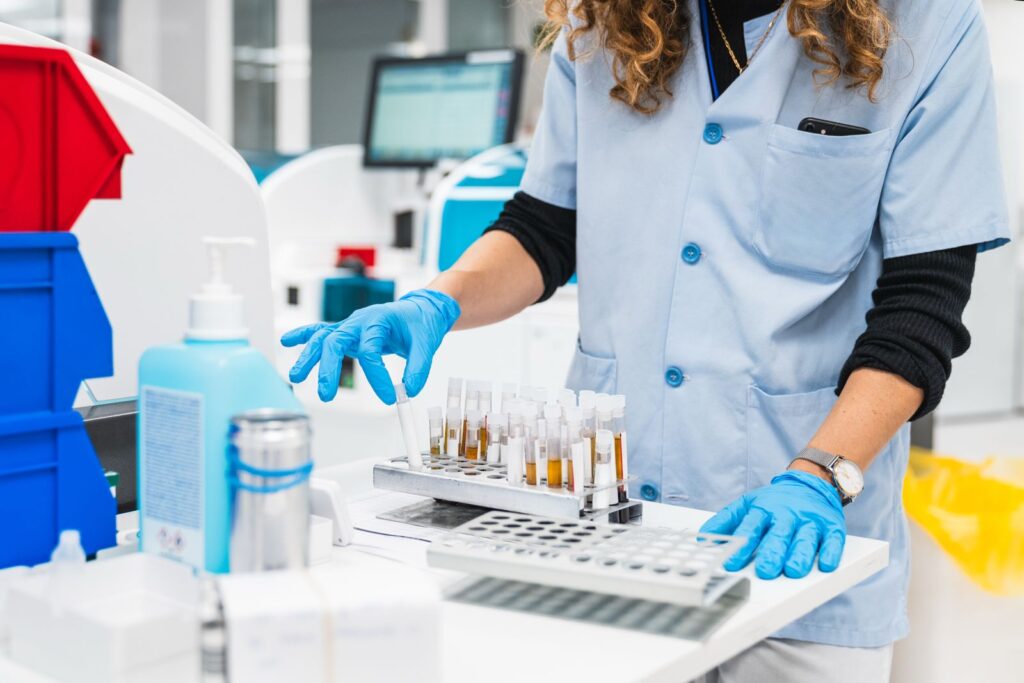
Accurate labs are the foundation of safe treatment. Order tests in the early morning – typically before 10 AM – when testosterone is highest.
Essential tests include:
- Total testosterone – baseline measure; interpret alongside symptoms
- Free or bioavailable testosterone – helpful when SHBG is abnormal
- Sex hormone binding globulin (SHBG) – affects free fraction
- Luteinizing hormone (LH) and follicle-stimulating hormone (FSH) – evaluate primary versus secondary hypogonadism
- Prolactin and estradiol – rule out pituitary issues and monitor estrogenic effects
- PSA, CBC, liver function – baseline safety checks
Typical reference targets vary, but many clinicians aim for a total testosterone of about 400-700 ng/dL. Work with a provider to set individualized goals.
TRT Protocol Options
There are several established TRT methods. Choice depends on patient preference, cost, convenience, fertility goals, and side effect risk.
Intramuscular injections
Testosterone cypionate or enanthate is commonly used. Typical starting regimens are 50-100 mg weekly or 100-200 mg every 10-14 days. Injections produce reliable increases in testosterone and are generally cost-effective.
Topical gels and creams
Gels provide steady absorption and avoid peaks and troughs from injections. Daily application is required and transfer risk exists, so wash hands and cover application site. Dosing is adjusted based on trough levels measured 2-7 days after starting.
Subcutaneous pellets and nasal gels
Pellets are inserted every 3-6 months and offer convenience but require a minor procedure. Nasal gels require multiple daily doses and may suit men who prefer non-systemic options.
Monitoring and dose adjustment
Check testosterone, hematocrit, PSA, and estradiol at baseline, 6-12 weeks after starting, and then every 3-6 months. Watch for high hematocrit and adjust dosing or phlebotomy if needed. If estradiol climbs, discuss aromatase inhibitor use or dose changes with your clinician.
HCG Therapy and Fertility Preservation
Human chorionic gonadotropin, or HCG, mimics LH and stimulates testicular testosterone production. It is commonly used when fertility is a concern.
Typical HCG dosing is 250 IU 2-3 times weekly, though some protocols vary. HCG can be combined with TRT to maintain testicular volume and sperm production.
Clomiphene citrate is another option to stimulate endogenous testosterone while preserving fertility. Discuss sperm analysis and referral to a reproductive specialist if conception is a priority.
Safety, Contraindications, and When to Stop
TRT is not appropriate for everyone. Absolute contraindications include untreated prostate or breast cancer. Elevated PSA or rapidly rising PSA values require urology evaluation before starting.
Other concerns include polycythemia, uncontrolled sleep apnea, and severe heart disease. Monitor hematocrit, and treat or pause therapy if values exceed safe thresholds. Always inform your provider about cardiovascular history and medications.
Natural Methods to Support Testosterone
Lifestyle changes can improve baseline hormone levels and complement medical therapy. These steps are evidence-based and actionable.
- Resistance training – 2-4 sessions weekly focusing on compound lifts increases testosterone and muscle mass
- Body composition – lose excess visceral fat through diet and interval cardio to improve hormonal signaling
- Sleep – target 7-9 hours per night with consistent timing to support nocturnal testosterone production
- Nutrition and supplements – ensure adequate vitamin D, zinc, and omega-3s; treat deficiencies identified on labs
- Stress reduction – control cortisol with mindfulness, therapy, and balanced workload
Natural methods take time but reduce medication needs and improve overall health.
Patient Journey: From First Concern to Ongoing Care
Here is a practical timeline many men follow.
- Week 0: Track symptoms, take a validated questionnaire, and schedule morning labs
- Week 1-2: Review results with a clinician, discuss treatment options, and set goals
- Week 3-12: Start TRT or conservative therapy; recheck labs at 6-12 weeks and adjust dosing
- Month 3-12: Ongoing monitoring every 3-6 months; focus on lifestyle changes and symptom tracking
In California, many clinics offer telemedicine visits and partnerships with Labcorp or Quest Diagnostics for convenient morning blood draws. Consider seeing a urologist or endocrinologist if labs are complex or if fertility concerns arise.
Choosing a Clinic in California
When selecting a provider, look for clinicians who perform full diagnostic workups and provide individualized plans. Avoid clinics that offer treatment based only on symptom questionnaires or single spot tests.
Ask potential clinics about their monitoring protocol, who prescribes HCG, and how they manage hematocrit or PSA elevations. Verify they order comprehensive labs and will coordinate with your primary care physician if needed.
Cost and Insurance Considerations
Insurance coverage varies. Some insurers cover lab testing and TRT when medical necessity is documented, while others consider TRT elective. In California, state laws do not prohibit TRT, but plan policies matter.
Compare self-pay clinic pricing, telemedicine options, and pharmacy costs for different formulations. Generics for injectable testosterone are often the most affordable option.
Realistic Expectations and Outcomes
Most men notice improvements in energy and libido within 4-12 weeks, with muscle and body composition gains over 3-6 months. Mood and cognitive benefits may appear earlier for some men.
Document symptoms and photos where relevant, so you and your clinician can objectively track progress. Adjust therapy based on both labs and how you feel.
Frequently Asked Questions
How is low testosterone diagnosed?
Diagnosis requires consistent symptoms and at least two morning testosterone tests taken before 10 AM. Additional labs like free testosterone, SHBG, LH, FSH, and prolactin help determine cause and guide treatment.
Will TRT affect my fertility?
Standard TRT can suppress sperm production by lowering intratesticular testosterone. Using HCG or clomiphene alongside TRT can preserve or restore fertility, but discuss sperm analysis and fertility goals before starting therapy.
What are common side effects of TRT?
Common side effects include increased hematocrit, acne, fluid retention, and elevated estradiol. Regular monitoring and dose adjustments reduce risks, and clinicians can recommend treatments for elevated estradiol or hematocrit.
How soon will I feel better on TRT?
Many men feel improved energy and libido within 4-12 weeks, while muscle and fat changes often take 3-6 months. Individual responses vary, so follow-up testing and symptom tracking are essential.
Can I try natural methods before starting TRT?
Yes, lifestyle interventions like resistance training, weight loss, better sleep, and correcting deficiencies can raise testosterone by a modest amount. If symptoms are severe or labs show very low testosterone, medical therapy is often needed alongside lifestyle changes.
How do I find a reputable TRT clinic in California?
Choose clinics that offer full diagnostic testing, individualized treatment plans, and clear monitoring protocols. Look for board-certified endocrinologists or urologists for complex cases and verify patient reviews and lab partnerships like Labcorp or Quest.
Conclusion
Treating low testosterone in men over 50 requires a methodical approach: document symptoms, obtain accurate morning labs, discuss options like injections, gels, or pellets, and consider HCG if fertility matters. Combine medical therapy with targeted lifestyle changes to maximize results.
Work with a qualified clinician who provides clear monitoring and individualized goals. With proper care, many men regain energy, sexual function, and muscle mass while minimizing risks.
Disclaimer
This blog is for informational and educational purposes only and does not constitute medical advice, diagnosis, or treatment. The content provided is based on general health information and research available as of the publication date. Individual health conditions vary, and what works for one person may not be appropriate for another.
Always consult with a qualified healthcare provider before starting any new treatment, including testosterone replacement therapy (TRT), making changes to existing treatments, or if you have questions about your specific health condition. Never disregard professional medical advice or delay seeking it because of information you read on this blog.
If you are experiencing a medical emergency, call 911 or your local emergency services immediately. The information on this website does not create a doctor-patient relationship and should not be used as a substitute for professional medical advice, diagnosis, or treatment.