

Low testosterone affects many men as they age, but symptoms can appear earlier due to lifestyle, medical conditions, or genetic factors. Recognizing symptoms such as erectile dysfunction, low libido, fatigue, weight gain, muscle loss, and mood changes is the first step toward effective treatment.
This guide walks you through diagnosis, medical and natural treatment options, HCG therapy, monitoring protocols, and practical next steps if you live in California or nearby. The aim is to give clear, actionable guidance so you can discuss options with a licensed clinician.
Recognizing Symptoms and When to Test
Symptoms of low testosterone can be subtle or severe. Common signs include reduced sexual desire, fewer spontaneous erections, persistent fatigue, difficulty building or maintaining muscle, increased body fat, and depressive symptoms.
If you have two or more of these symptoms for more than 3 months, consider testing. Keep a symptom log with dates, severity, and any triggers to share with your provider.
Diagnostic Labs: What to Order and Why
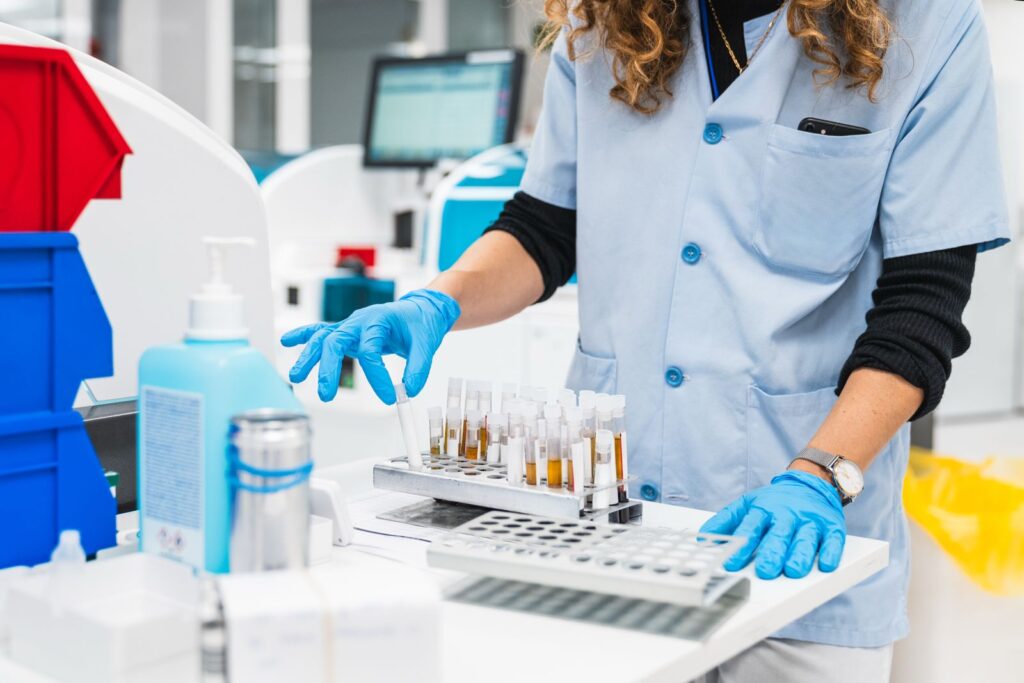
Accurate diagnosis relies on morning labs, ideally between 7 AM and 10 AM when testosterone is highest. Single tests can be misleading, so plan for at least two morning draws on separate days if results are borderline.
Key labs to order include:
- Total testosterone – primary measurement for diagnosis.
- Free testosterone or calculated free testosterone – useful when SHBG is abnormal.
- Sex hormone binding globulin (SHBG) – affects free hormone availability.
- Luteinizing hormone (LH) and follicle-stimulating hormone (FSH) – differentiate primary from secondary hypogonadism.
- Prolactin – elevated levels can suppress testosterone.
- CBC with hematocrit – baseline for erythrocytosis risk when starting TRT.
- PSA and digital rectal exam – age-appropriate prostate screening.
- Metabolic panel and lipid profile – baseline cardiovascular risk assessment.
Interpretation example: low total testosterone with low LH suggests secondary hypogonadism and may prompt evaluation for pituitary causes.
Medical Treatment Options and Typical Protocols
Treatment should be individualized based on goals, fertility desires, comorbidities, and patient preference. Common TRT forms include injections, gels, patches, and subcutaneous pellets.
Typical injection protocol examples:
- Testosterone cypionate or enanthate 50-200 mg weekly or 100-200 mg every 2 weeks. Many clinicians favor weekly or twice-weekly dosing to avoid peaks and troughs.
- Subcutaneous injections are increasingly used for convenience and stable levels.
Topical gels (1-2% testosterone) are dosed daily and require precautions to prevent transfer to others. Pellets offer 3-6 month release but require minor office procedures and carry infection or extrusion risk.
Monitoring and Safety
After initiating therapy, recheck labs at 6-12 weeks to assess total testosterone, hematocrit, and metabolic markers. Once stable, follow-up every 6-12 months is common.
Stop or adjust therapy if hematocrit exceeds 52 percent, PSA rises rapidly, or new cardiovascular symptoms occur. Practical step: schedule a hematocrit check at 8-12 weeks, then again at 6 months.
HCG Therapy and Fertility Preservation
Human chorionic gonadotropin, or HCG, mimics LH and stimulates testicular testosterone production and spermatogenesis. It is useful when fertility is a concern or when patients wish to preserve testicular size and sperm production.
Common HCG dosing is 500-1500 IU two to three times per week, adjusted by response. Example scenario: a man wanting TRT but also planning fatherhood may receive TRT plus HCG or be offered selective protocols that prioritize HCG with or without clomiphene citrate.
Discuss semen analysis and sperm cryopreservation if conception is planned in the near future. Coordinate care with a reproductive specialist when appropriate.
Naturally Increasing Testosterone: Evidence-Based Strategies
Before or alongside medical therapy, several lifestyle interventions reliably improve testosterone levels and symptoms.
- Resistance training – heavy compound lifts 3-4 times per week increase testosterone and muscle mass.
- Weight loss – 5-10 percent bodyweight reduction can raise testosterone in overweight men.
- Optimize sleep – aim for 7-9 hours nightly; poor sleep lowers morning testosterone.
- Nutrition – adequate protein, healthy fats, and micronutrients like vitamin D and zinc support hormone production.
- Limit alcohol and smoking – both can depress testosterone.
Supplementation should be targeted. Check vitamin D and correct deficiency; avoid over-the-counter “test boosters” with unproven ingredients.
Patient Journey: What to Expect During Treatment
Typical timeline after starting TRT: energy and libido improvements often appear in 2-6 weeks. Strength and muscle changes take 8-12 weeks. Mood and cognition may improve more gradually.
Side effects and management tips:
- Increased hematocrit: reduce dose or schedule therapeutic phlebotomy when necessary.
- Skin irritation with gels or patches: switch delivery method.
- Fertility decline: add HCG or consider sperm banking.
Finding a Provider in California
If you live in California, prioritize clinics with experienced endocrinologists, urologists, or hormone specialists. Search for board-certified providers in Los Angeles, San Francisco, San Diego, Sacramento, and Orange County who offer comprehensive lab testing, imaging as needed, and fertility-preserving options.
Questions to ask a clinic during a consultation:
- Do you perform morning labs and confirmatory testing?
- How do you monitor hematocrit, PSA, and lipids?
- Can you co-manage fertility with HCG or refer to a reproductive specialist?
Risks, Contraindications, and Shared Decision Making
TRT is not appropriate for men with untreated prostate or breast cancer, uncontrolled polycythemia, or certain uncontrolled cardiac conditions. Discuss personal risk factors and family history with your clinician.
Shared decision making should weigh symptom burden, lab results, fertility desires, and safety. Ask for a written treatment plan including labs, doses, follow-up schedule, and emergency contact information.
Practical Checklist Before Starting TRT
- Symptom log for 3 months.
- Two separate morning testosterone tests and full panel listed above.
- Baseline CBC, PSA, metabolic panel, and lipid panel.
- Discuss fertility goals; consider semen analysis.
- Agree on a monitoring schedule and clear dose adjustments.
Frequently Asked Questions
What blood tests confirm low testosterone?
Morning total testosterone measured twice is the cornerstone for diagnosis. Add free testosterone, SHBG, LH, FSH, prolactin, CBC, metabolic panel, and PSA for a complete evaluation and to identify causes.
How quickly will I notice benefits from TRT?
Many men notice improved libido and energy within 2-6 weeks. Strength and muscle gains typically require 8-12 weeks, while mood and body composition changes develop over months with consistent therapy and lifestyle changes.
Can TRT affect fertility and how do I preserve it?
Exogenous testosterone can suppress sperm production. To preserve fertility, discuss HCG co-therapy, clomiphene citrate, or sperm banking prior to starting TRT. Coordinate care with a reproductive specialist when planning conception.
Is HCG necessary if I start TRT?
HCG is not required for all men but is recommended for those who want to maintain testicular function and fertility. It can also prevent testicular shrinkage and support endogenous testosterone production when used alongside TRT.
How often should labs be checked after starting TRT?
Recheck testosterone and hematocrit at 6-12 weeks after initiation or dose change, then every 6-12 months once stable. Monitor PSA and metabolic markers baseline and annually, or sooner if concerns arise.
Are natural methods effective enough to avoid TRT?
Lifestyle changes like resistance training, weight loss, sleep optimization, and correcting vitamin D deficiency can increase testosterone modestly and improve symptoms. However, men with clinically low labs and significant symptoms often need TRT for meaningful improvement.
Disclaimer
This blog is for informational and educational purposes only and does not constitute medical advice, diagnosis, or treatment. The content provided is based on general health information and research available as of the publication date. Individual health conditions vary, and what works for one person may not be appropriate for another.
Always consult with a qualified healthcare provider before starting any new treatment, including testosterone replacement therapy (TRT), making changes to existing treatments, or if you have questions about your specific health condition. Never disregard professional medical advice or delay seeking it because of information you read on this blog.
If you are experiencing a medical emergency, call 911 or your local emergency services immediately. The information on this website does not create a doctor-patient relationship and should not be used as a substitute for professional medical advice, diagnosis, or treatment.