

Many men notice subtle changes in energy, libido, and mood and wonder if low testosterone is the cause. Early recognition helps get the right tests and treatment, and can prevent months of frustration. This guide explains how to evaluate symptoms, which labs to order, and how providers choose a treatment plan.
We cover practical steps you can take right away: a symptom checklist, the essential blood work, typical TRT protocols, HCG use for fertility preservation, safety monitoring, and evidence-based lifestyle changes. Specific examples and monitoring schedules are included so you can have a focused conversation with your clinician in California or elsewhere.
Recognizing the Symptoms: A Practical Checklist
Low testosterone commonly presents with a cluster of symptoms rather than a single sign. Watch for sexual, physical, and mental changes that persist for several months.
- Sexual symptoms: reduced libido, fewer spontaneous erections, erectile dysfunction, reduced sexual satisfaction.
- Physical symptoms: increased body fat or weight gain, loss of muscle mass, reduced strength, low bone density.
- Mental and energy symptoms: fatigue, low motivation, irritability, depressed mood, difficulty concentrating.
- Other signals: decreased morning erections, poor recovery from workouts, hair thinning.
Use a simple self-check: if you have three or more of the above symptoms for longer than three months, ask a provider to test your hormones.
Which Lab Tests to Order and How to Interpret Them
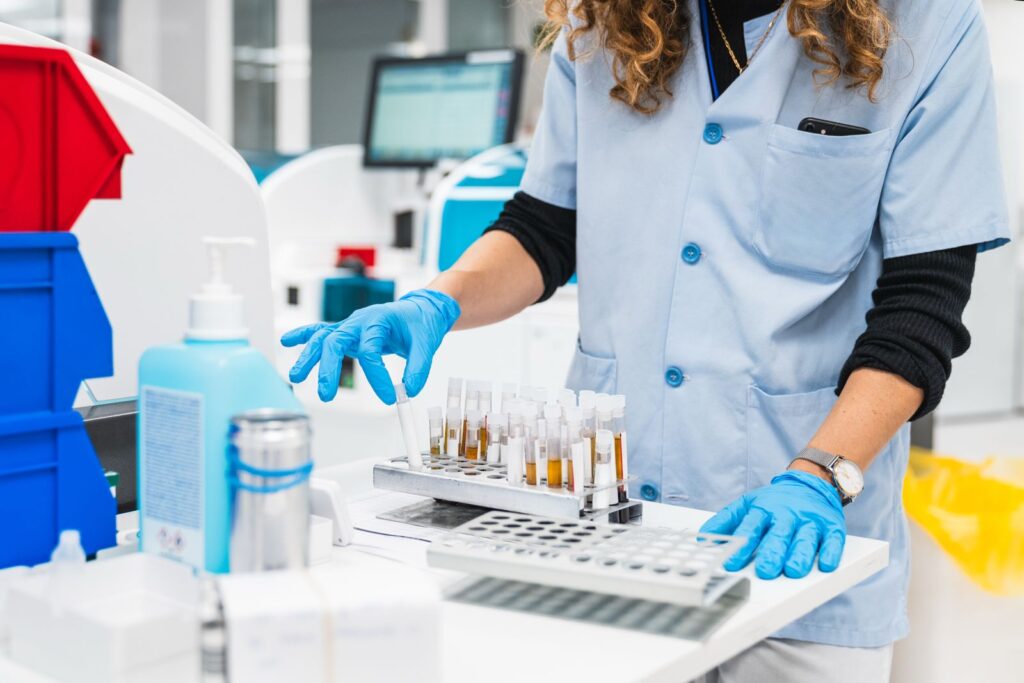
Correct testing is critical. Hormone levels fluctuate during the day and are affected by illness and medications, so timing and repeat testing matter.
- Timing: draw blood between 7-10 a.m. after an overnight fast on at least two separate days when possible.
- Core panel: total testosterone, free testosterone or calculated free T (with SHBG), luteinizing hormone (LH), follicle-stimulating hormone (FSH), and prolactin.
- Safety and baseline: CBC with hematocrit, PSA, CMP (liver and kidney), fasting lipid panel, and estradiol when indicated.
Most guidelines use total testosterone below 300 ng/dL as a working threshold for low testosterone in adult men. However, symptoms and free testosterone levels matter too, especially when SHBG is abnormal. Low LH with low T suggests central hypogonadism, while high LH with low T indicates primary testicular failure.
Initial Management: From Lifestyle Changes to Treatment
Not all men with borderline labs need immediate TRT. Start with reversible factors and targeted lifestyle changes, then reassess.
- Address contributors: reduce alcohol, improve sleep, treat sleep apnea, optimize weight through diet and resistance training, correct vitamin D deficiency, and ensure adequate zinc intake.
- Medications review: certain drugs such as opioids, glucocorticoids, and some antidepressants can lower testosterone. Discuss alternatives with your prescriber.
- Recheck labs after 8-12 weeks of lifestyle intervention or after stopping an offending medication when safe.
TRT Protocols: Options and Typical Starting Approaches
If symptoms persist and labs confirm low testosterone, providers choose from several administration methods. Each has pros and cons related to convenience, cost, stability of levels, and side effects.
- Injected testosterone: testosterone cypionate or enanthate is common. Typical starting examples are 50-100 mg twice weekly or 100-200 mg once weekly, adjusted to achieve mid-normal morning levels. Injections provide predictable doses and are cost-effective.
- Topical gels: daily gels (for example 5-10 g delivering 50-100 mg T) offer steady absorption but have transfer risk to partners and children.
- Transdermal patches and subcutaneous pellets: patches can irritate skin; pellets provide multi-month dosing but require minor office procedure and carry different risk profiles.
- Oral androgens: most oral formulations are not recommended due to liver effects or poor efficacy; new formulations are evolving but use is limited.
Providers tailor choice based on patient preference, cost, comorbidities, and plans for fertility.
HCG Therapy and Fertility Preservation
Standard TRT suppresses sperm production and can reduce fertility. If you want to maintain or restore fertility, consider adding human chorionic gonadotropin (HCG) or alternative therapies.
- HCG use: HCG mimics LH and stimulates testicular testosterone production. Common regimens seen in clinical practice include 150-500 IU administered 2-3 times weekly or divided dosing to preserve testicular function. Some providers use 500-1500 IU per week divided into multiple injections depending on goals.
- Clomiphene citrate: an oral selective estrogen receptor modulator that can raise endogenous testosterone and preserve sperm in certain men. Typical examples include 25-50 mg every other day or daily under supervision.
- Monitoring: semen analysis and endocrine follow-up are essential when fertility is a concern.
Always discuss fertility goals before starting TRT so your clinician can choose an appropriate plan.
Monitoring and Safety: What to Watch
Safe TRT requires scheduled monitoring to identify side effects early and to adjust dosing for efficacy. Most clinics follow a predictable cadence.
- Labs at baseline: total T, CBC, PSA, CMP, and lipid panel.
- Follow-up schedule: check testosterone and hematocrit 6-12 weeks after initiation or dose change, then every 3-6 months during the first year, and annually thereafter if stable.
- Red flags: hematocrit above 52-54% may require dose reduction or phlebotomy. New or rising PSA requires urology evaluation. Worsening sleep apnea or severe mood changes need prompt review.
Patient Journey: Expectations and Real-World Examples
Men typically notice incremental improvements over weeks to months. Sexual desire and morning erections often improve within 4-8 weeks. Energy, mood, and muscle gains usually appear within 8-16 weeks, while body composition changes may take 3-6 months.
Example scenario: a 48-year-old man from Los Angeles with low energy and low libido has two morning total T results of 250 and 270 ng/dL. After confirming low LH and normal prolactin, his clinician starts testosterone injections 50 mg twice weekly and adds resistance training plus vitamin D replacement. At 12 weeks his total T is 520 ng/dL, hematocrit 47%, and he reports improved libido and energy. This illustrates stepwise evaluation, treatment, and monitoring.
Natural Strategies to Boost Testosterone
For men with borderline labs or those delaying medical therapy, targeted lifestyle changes can raise testosterone modestly and improve symptoms.
- Strength training: resistance exercise 3-4 times weekly increases muscle mass and supports testosterone production.
- Weight loss: losing 5-10% body weight in overweight men often raises testosterone levels.
- Sleep and stress: aim for 7-9 hours nightly and treat sleep apnea. Reduce chronic stress and minimize excess alcohol.
- Nutrition and supplements: ensure adequate protein, vitamin D, magnesium, and zinc; avoid unproven supplements that claim dramatic increases.
How to Talk to Your Provider in California or Anywhere
Bring symptom notes, two morning lab results, a medication list, and fertility plans. Ask about treatment goals, expected timeline, monitoring plan, and fertility-sparing options like HCG or clomiphene. If you are in California, ask about clinics that offer comprehensive TRT programs with lab access and urology partnerships for coordinated care.
Frequently Asked Questions
How is low testosterone diagnosed?
Diagnosis is based on persistent symptoms plus at least two early-morning total testosterone measurements below the lab reference, commonly 300 ng/dL. Providers also evaluate free testosterone, SHBG, and pituitary hormones to determine the cause.
Which blood tests should I ask for?
Request total testosterone with morning draw, free testosterone or calculated free T with SHBG, LH, FSH, prolactin, CBC, PSA, CMP, and lipid panel. Repeat low readings on a different day to confirm the finding.
What TRT options are available and how are they chosen?
Options include injections, topical gels, patches, and pellets. Choice depends on convenience, cost, steadiness of levels, and whether fertility preservation is needed. Your provider will match a regimen to your goals and health profile.
Will TRT affect my fertility?
Yes. Exogenous testosterone commonly suppresses sperm production and can impair fertility. To preserve fertility, clinicians add HCG or use clomiphene citrate as alternatives or adjuncts.
What safety monitoring is required on TRT?
Monitor total testosterone, hematocrit, PSA, and metabolic labs at baseline and regularly after starting treatment. Hematocrit above 52-54% may require dose adjustment or therapeutic phlebotomy.
How long until I notice improvements on TRT?
Some sexual symptoms may improve in 4-8 weeks, energy and mood in 8-16 weeks, and body composition changes in 3-6 months. Individual response varies and dose adjustments are common early on.
Conclusion
Diagnosing low testosterone requires combining symptom assessment with correctly timed lab testing and thoughtful interpretation. Start with reversible lifestyle factors, then pursue tailored therapy if symptoms and labs indicate true hypogonadism. Work with a knowledgeable clinician to choose the right TRT protocol, consider HCG when fertility matters, and follow a clear monitoring plan to maximize benefits and minimize risks.
Disclaimer
This blog is for informational and educational purposes only and does not constitute medical advice, diagnosis, or treatment. The content provided is based on general health information and research available as of the publication date. Individual health conditions vary, and what works for one person may not be appropriate for another.
Always consult with a qualified healthcare provider before starting any new treatment, including testosterone replacement therapy (TRT), making changes to existing treatments, or if you have questions about your specific health condition. Never disregard professional medical advice or delay seeking it because of information you read on this blog.
If you are experiencing a medical emergency, call 911 or your local emergency services immediately. The information on this website does not create a doctor-patient relationship and should not be used as a substitute for professional medical advice, diagnosis, or treatment.