
Many men over 50 notice changes in energy, libido, and body composition that affect daily life and confidence. Low testosterone is a common cause, but the path from symptoms to safe treatment can feel complex and fragmented.
This guide explains practical steps to optimize testosterone replacement therapy (TRT) for men over 50 in California, including symptom recognition, lab testing, common protocols, HCG use for fertility, safety monitoring, and lifestyle measures you can start now. Read this to prepare for a productive visit with a licensed clinician.
Recognizing low testosterone: what to look for
Symptoms are the first clue. Common signs include low libido, erectile dysfunction, persistent fatigue, unexplained weight gain, reduced muscle mass, and mood changes such as irritability or mild depression.
Track symptoms over 4-12 weeks and note patterns. For example, decreased strength despite consistent training, or sudden loss of morning erections, are stronger flags than isolated tired days.
Essential diagnostic testing
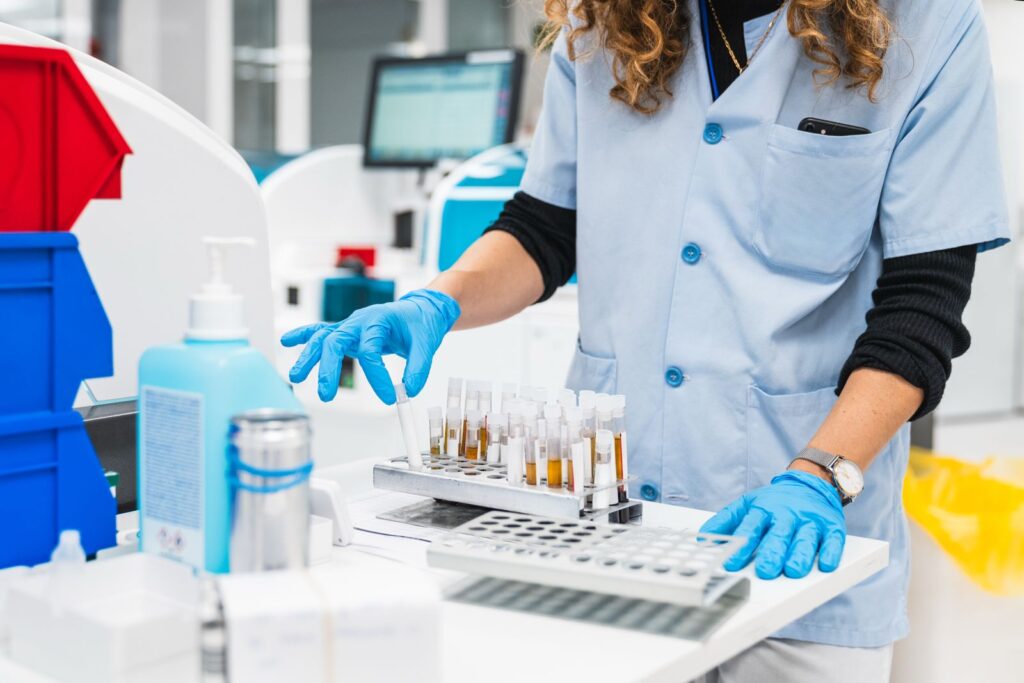
Accurate diagnosis relies on morning lab testing and repeat confirmation. Ask for labs drawn between 7-10 AM on two separate days if possible, because testosterone has daily variation.
Key labs to order:
- Total testosterone and free testosterone – baseline hormone levels
- Sex hormone binding globulin – helps interpret total T
- LH and FSH – differentiate primary from secondary hypogonadism
- Estradiol – elevated levels can drive symptoms and affect dosing decisions
- Hematocrit and hemoglobin – baseline for safety monitoring
- PSA and digital rectal exam if indicated by age or history
- Fasting glucose, A1c, and lipid panel – metabolic context
Common TRT protocols and how to choose one
There is no single best protocol for every man. Choice depends on goals, comorbidities, and lifestyle. Discuss options with a clinician and consider these common approaches.
Intramuscular injections
Injected testosterone such as cypionate or enanthate is widely used for predictable blood levels and cost effectiveness. A typical conservative starting range is 50-100 mg twice weekly rather than a single large weekly dose to reduce peaks and troughs.
For men over 50 with cardiovascular or hematologic concerns, clinicians may start at the lower end and titrate slowly based on symptoms and labs.
Transdermal gels and patches
Topical gels offer steady delivery and are convenient, but require daily application and awareness of transfer risk to partners. They are good for men who prefer to avoid injections or have sensitive venous access.
Pellets and oral options
Pellet therapy provides long-term delivery but requires minor office procedures and has less flexible dosing. Oral testosterone is less commonly used due to liver and cardiovascular concerns and is not first-line in many practices.
HCG therapy and fertility preservation
Men over 50 may still desire fertility or want to preserve testicular volume and intratesticular testosterone. Human chorionic gonadotropin – HCG – mimics LH and stimulates the testes.
Common HCG dosing is 250-500 IU two to three times per week when used alongside TRT. HCG can maintain sperm production and support testicular size, but it is not a guaranteed fertility solution. Discuss semen analysis and referral to reproductive specialists when fertility is a priority.
Monitoring and safety: what to watch
Monitoring keeps therapy effective and safe. After initiating TRT or changing dose, check labs at 4-8 weeks and then every 3-6 months until stable, then every 6-12 months.
Critical tests and thresholds:
- Hematocrit – stop or lower dose if hematocrit exceeds 54 percent or clinician concern for hyperviscosity
- PSA – baseline and follow-up per urology guidance; a rapid rise warrants evaluation
- Estradiol – high levels can cause water retention, gynecomastia, or mood changes; management options include dose adjustment or aromatase inhibitor after specialist input
- Lipid panel and metabolic labs – track cardiovascular risk factors
Lifestyle strategies that amplify TRT benefits
Medication is not a replacement for a healthy foundation. Men who combine TRT with targeted lifestyle changes often see faster and more durable gains.
High-impact strategies include:
- Resistance training – twice-weekly progressive lifting preserves and builds muscle
- Protein intake – 0.7-1.0 g per pound of ideal body weight helps recovery
- Sleep hygiene – aim for 7-9 hours; poor sleep lowers testosterone
- Weight loss for men with excess body fat – losing 5-10 percent of body weight can raise endogenous testosterone
- Correct vitamin D deficiency, ensure adequate zinc when low, and reduce excessive alcohol
Practical self-assessment checklist
Before seeing a clinician, complete this checklist to make the visit efficient and productive. Bring a copy to your appointment or patient portal.
- Symptom log for 6-12 weeks noting libido, erections, energy, mood, and strength
- List of medications, supplements, and prior hormone treatments
- Recent lab results or permission to access previous records
- Fertility goals and partner status if relevant
- Questions about costs, insurance coverage, and local lab options in California
Example step-by-step plan
Here is a sample approach for a hypothetical 55-year-old man with low libido, fatigue, and a confirmed low morning testosterone of 240 ng/dL on two tests.
- Initiate therapy with 50 mg testosterone cypionate twice weekly and add HCG 250 IU two times per week if fertility or testicular volume is a concern.
- Recheck total and free testosterone, hematocrit, estradiol, and metabolic panel at 6 weeks.
- Titrate testosterone by 25 mg increments every 4-8 weeks based on symptoms and labs until target range is reached and symptoms improve.
- Continue monitoring every 3-6 months once stable; maintain resistance training and weight control efforts.
This example is illustrative and not a prescription. Individual doses, monitoring frequency, and adjunctive therapies should be personalized by a licensed clinician.
Finding a qualified TRT provider in California
Look for state-licensed physicians or nurse practitioners with experience in male hormone care and access to local labs. Telemedicine visits with in-state clinicians are common and convenient for follow-up, but initial labs and some exams may require in-person testing.
Ask potential providers about their monitoring plan, approach to fertility preservation, and how they handle side effects such as increased hematocrit or elevated estradiol.
Frequently Asked Questions
What blood tests confirm low testosterone?
Measure total testosterone and free testosterone with samples taken between 7-10 AM on at least two separate days. Include SHBG, LH, FSH, estradiol, hematocrit, and metabolic labs to understand underlying causes and safety risks.
How is TRT usually dosed for men over 50?
Common starting options include 50-100 mg testosterone cypionate or enanthate given twice weekly, or a daily transdermal gel. Providers typically start conservatively and titrate based on symptoms and lab results.
Will TRT cause infertility, and how does HCG help?
Exogenous testosterone can suppress sperm production by lowering intratesticular testosterone. HCG mimics LH and helps maintain testicular function; typical HCG dosing is 250-500 IU two to three times per week when fertility preservation is needed.
How often should labs be monitored after starting TRT?
Recheck labs at 4-8 weeks after initiation or dose changes, then every 3-6 months until stable. Once stable, monitoring every 6-12 months is common, with hematocrit and PSA tracked to ensure safety.
Does TRT increase prostate cancer risk?
Current evidence does not show TRT causes prostate cancer, but it can raise PSA in men with existing prostate disease. Providers screen with baseline PSA and perform follow-up testing; urology referral is appropriate for significant changes.
What natural strategies boost testosterone alongside TRT?
Effective strategies include resistance training, weight loss for men with excess fat, optimized sleep, vitamin D correction, and adequate dietary protein. These measures improve overall response and help maintain benefits long term.
Optimizing TRT for men over 50 means combining accurate diagnosis, thoughtfully chosen protocols, safety monitoring, and lifestyle changes. Prepare lab results and a symptom log before your appointment, discuss fertility goals early, and pick a clinician who provides clear follow-up. When managed properly, TRT can restore energy, sexual function, and muscle health while minimizing risks.
Disclaimer
This blog is for informational and educational purposes only and does not constitute medical advice, diagnosis, or treatment. The content provided is based on general health information and research available as of the publication date. Individual health conditions vary, and what works for one person may not be appropriate for another.
Always consult with a qualified healthcare provider before starting any new treatment, including testosterone replacement therapy (TRT), making changes to existing treatments, or if you have questions about your specific health condition. Never disregard professional medical advice or delay seeking it because of information you read on this blog.
If you are experiencing a medical emergency, call 911 or your local emergency services immediately. The information on this website does not create a doctor-patient relationship and should not be used as a substitute for professional medical advice, diagnosis, or treatment.