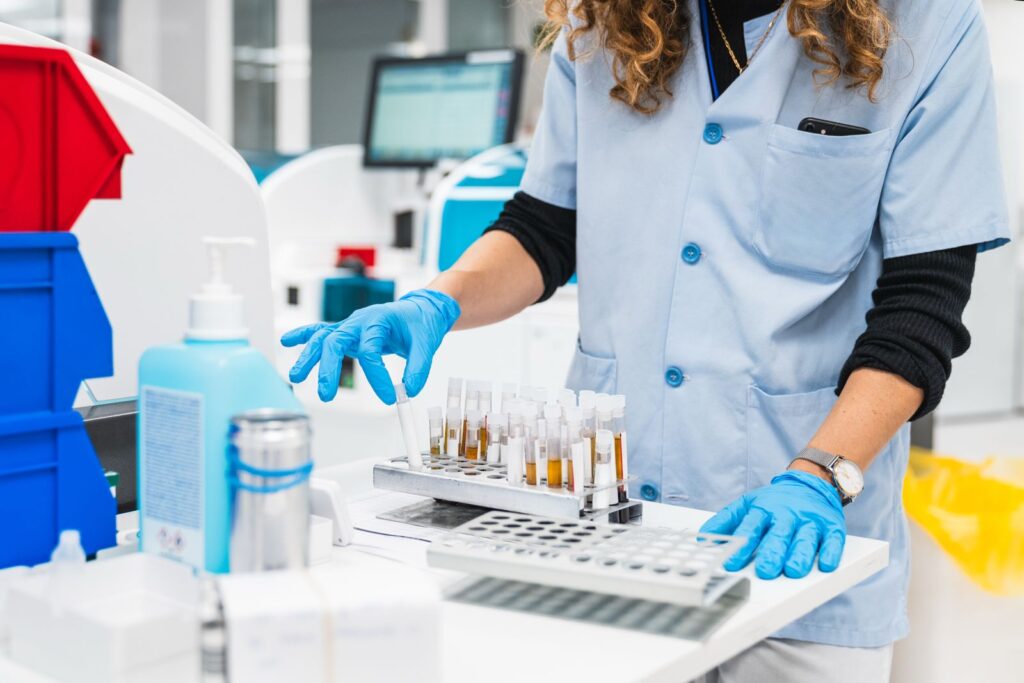

If you are a man in California noticing low libido, persistent fatigue, or declining muscle mass, understanding how to start testosterone replacement therapy (TRT) is critical. This guide walks you through a practical clinic checklist, diagnostic steps, common treatment protocols, safety monitoring, and lifestyle measures that support long-term results.
TRT is medical therapy and must be individualized. Below you will find specific lab targets, example dosing schedules, fertility-preserving options like HCG, and clear red flags that require urgent evaluation. Use this as an educational roadmap to discuss options with a licensed provider.
Everything below is focused on actionable steps you can take in a California setting, including telemedicine pathways, lab logistics, and approximate costs. Read on for examples, monitoring plans, and a patient-friendly self-assessment you can use before booking a consultation.
Clinic Checklist: What to look for
Choosing the right clinic matters for safety and outcomes. Look for a clinic that offers comprehensive evaluation, not just prescriptions. Prefer clinics that provide integrated care: baseline labs, individualized protocols, and ongoing monitoring.
- Licensed medical oversight with an MD, DO, or nurse practitioner experienced in men’s hormonal health.
- On-site or partnered labs (Quest, LabCorp) so you can get timely baseline and follow-up testing.
- Clear communication about costs: initial visit, labs, follow-ups, and medication pricing.
- Fertility counseling if you want to preserve or plan for future children; options should include HCG or clomiphene.
- Monitoring protocols for hematocrit, prostate screening, and estradiol management.
In California you can often access telemedicine visits but expect at least initial labs locally. Many clinics accept referral lab orders you can complete at any major lab center.
Diagnostic Workup: Labs and interpretation
A proper diagnosis starts with the right labs drawn at the right time. Testosterone fluctuates through the day, so draw blood between 7-10 am when possible for men without shift work. If off-shift, note the timing on the lab order.
Baseline labs should include:
- Total testosterone
- Free testosterone or calculated free testosterone
- Sex hormone binding globulin (SHBG)
- Luteinizing hormone (LH) and follicle-stimulating hormone (FSH)
- Estradiol (sensitive assay)
- Prolactin if symptoms suggest pituitary issues
- Complete blood count (CBC) with hematocrit
- Comprehensive metabolic panel (CMP) including liver enzymes
- PSA for men over 40 or with risk factors
- Lipid panel and HbA1c for cardiometabolic risk
Interpreting results: total testosterone under 300 ng/dL on two separate morning measurements plus consistent symptoms is commonly used to diagnose hypogonadism. Low LH with low testosterone suggests central or secondary hypogonadism, while high LH indicates primary testicular failure.
Treatment Options and Protocols
TRT options include injectable testosterone, topical gels, patches, and pellets. Choice depends on preference, cost, side effect profile, and fertility goals. Providers custom-tailor therapy and often start with conservative dosing then adjust based on symptoms and labs.
Injectable protocol examples
Injectables provide predictable blood levels and are cost-effective. Two commonly used approaches are weekly dosing and divided dosing.
- Moderate weekly dosing: Testosterone cypionate 75-125 mg injected intramuscularly once weekly. Expect a mid-week-to-trough variation; monitor symptoms.
- Split dosing for smoother levels: 25-50 mg injected every 2-3 days to minimize peaks and valleys and reduce mood swings and irritability.
Example: a 48-year-old man starts 100 mg/week divided into 50 mg twice weekly. Recheck labs at 4-6 weeks and adjust to reach total testosterone in the mid-normal range for his lab.
HCG and fertility-preserving strategies
If fertility is a concern, discuss HCG with your provider before starting TRT. Human chorionic gonadotropin stimulates intratesticular testosterone and can preserve spermatogenesis while on TRT.
- Typical HCG dosing to preserve fertility: 500 IU injected subcutaneously 2-3 times per week.
- Alternative or adjuncts: clomiphene citrate can be used in men with secondary hypogonadism seeking conception; dosing often 25-50 mg every other day.
Combining low-dose HCG with TRT allows symptom relief while maintaining testicular function in many men.
Monitoring and Safety
Monitoring is essential for safety and dose optimization. Expect a schedule like this:
- Recheck total testosterone and estradiol at 4-6 weeks after starting or changing dose.
- Repeat CBC, CMP, and PSA at 3 months, then every 3-6 months for the first year.
- Assess symptoms and side effects at each follow-up; adjust dose or route as needed.
Watch for common adverse effects: elevated hematocrit, worsening sleep apnea, acne, fluid retention, and mood changes. If hematocrit exceeds 54 percent, stop therapy and evaluate; therapeutic phlebotomy may be necessary.
Lifestyle, Natural Boosting, and When to Defer
TRT is not the only pathway to improved energy and libido. Address lifestyle factors before or alongside medical therapy. Evidence-based interventions can improve baseline testosterone and amplify TRT benefits.
- Weight loss: Losing 5-10 percent body weight can raise testosterone in obese men.
- Resistance training: Two to three strength sessions per week increase muscle and support hormonal health.
- Sleep optimization: Aim for 7-9 hours nightly; untreated sleep apnea lowers testosterone and increases risk on TRT.
- Alcohol moderation and nutritional adequacy with vitamin D and zinc where deficient.
Defer TRT and refer for specialist care if there is active prostate cancer, uncontrolled severe sleep apnea, or uninvestigated breast masses. Shared decision-making with your clinician is important.
Practical Steps to Start in California
- Self-assess symptoms using a short checklist: low libido, ED, fatigue, muscle loss, mood changes, weight gain.
- Book a medical evaluation with a licensed clinic experienced in TRT; ask about telemedicine options and lab partnerships.
- Get baseline labs drawn in the morning; keep copies for your records.
- Discuss fertility goals openly so the provider can plan HCG or alternatives if needed.
- Start with conservative dosing and schedule follow-up labs at 4-6 weeks, then 3 months.
- Engage in lifestyle changes concurrently to maximize outcomes and reduce medication doses if possible.
Cost considerations in California: expect an initial consult fee of approximately $150-300, baseline labs $150-350 depending on panels and lab network, and medication costs ranging from $40-200 per month depending on formulation and pharmacy. Many clinics provide transparent pricing or membership plans.
Frequently Asked Questions
What lab levels confirm low testosterone?
Low testosterone is commonly defined as total testosterone under 300 ng/dL on two morning measurements combined with consistent symptoms. Free testosterone, SHBG, and LH/FSH help determine if the cause is primary or secondary.
Will TRT make me infertile?
Standard TRT can suppress sperm production by lowering intratesticular testosterone. Using HCG 500 IU two to three times weekly or clomiphene can preserve or restore fertility for many men when used under medical supervision.
How soon will I feel benefits from TRT?
Some men notice improved libido and energy within 2-4 weeks, while muscle gains and body composition changes often take 8-12 weeks. Monitoring and dose adjustments help achieve consistent symptom relief.
What are the main risks of TRT?
Risks include elevated hematocrit, exacerbation of sleep apnea, acne, fluid retention, and possible changes in cholesterol. Regular lab monitoring and provider oversight reduce these risks.
Do I need a prostate check before starting TRT?
Yes, men over 40 or with risk factors should have a baseline PSA and digital rectal exam if indicated. Active, untreated prostate cancer is a contraindication to TRT and requires specialist referral.
Can I use telemedicine to start TRT in California?
Many clinics offer telemedicine visits coupled with local lab draws. California permits telehealth prescribing when a proper medical evaluation is performed, but some cases will still require in-person assessment.
Conclusion
Starting TRT in California is a multi-step process that blends accurate diagnosis, individualized treatment protocols, safety monitoring, and lifestyle interventions. Use the clinic checklist and diagnostic guidance above to ensure you find a provider who offers comprehensive care, including fertility-preserving options when needed.
Bring your lab results, share your fertility plans, and set clear follow-up expectations. With proper oversight, TRT can restore energy, improve sexual function, and help recover muscle mass while keeping risks manageable.
Disclaimer
This blog is for informational and educational purposes only and does not constitute medical advice, diagnosis, or treatment. The content provided is based on general health information and research available as of the publication date. Individual health conditions vary, and what works for one person may not be appropriate for another.
Always consult with a qualified healthcare provider before starting any new treatment, including testosterone replacement therapy (TRT), making changes to existing treatments, or if you have questions about your specific health condition. Never disregard professional medical advice or delay seeking it because of information you read on this blog.
If you are experiencing a medical emergency, call 911 or your local emergency services immediately. The information on this website does not create a doctor-patient relationship and should not be used as a substitute for professional medical advice, diagnosis, or treatment.