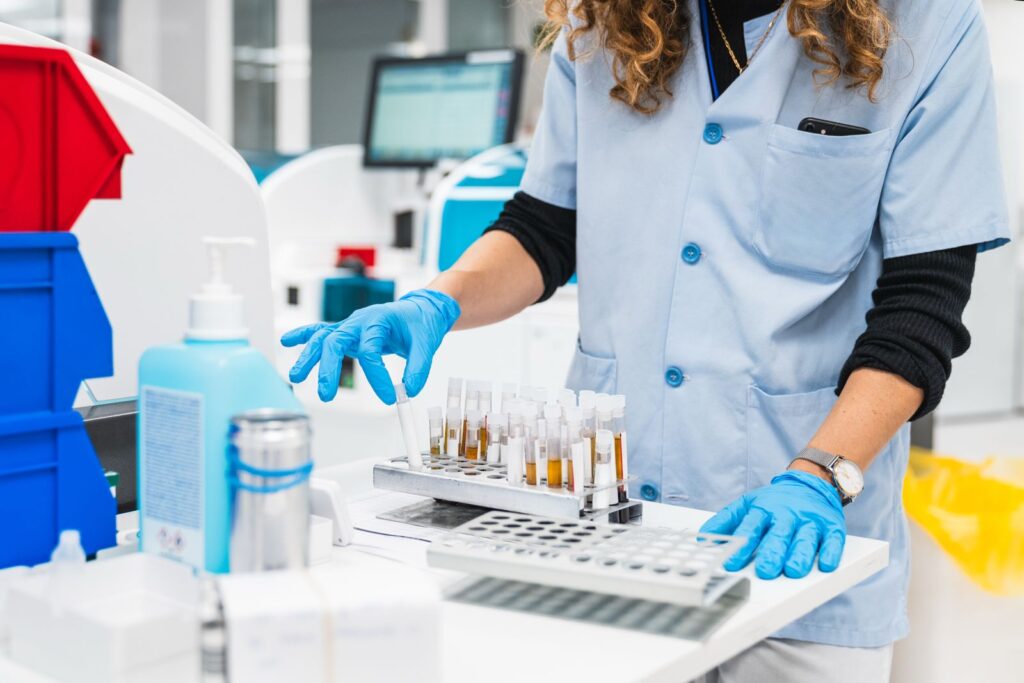


Getting reliable lab results is the first step to safe and effective testosterone replacement therapy. Many men come to clinics with confusing or inconsistent labs that delay diagnosis, prolong symptoms, and complicate treatment planning.
This guide walks you through a practical, clinic-ready process to maximize the accuracy of your TRT lab work. It covers which tests matter, exact timing recommendations, medication and supplement adjustments, sample case timelines, and actionable checklists you can follow before your blood draw.
Why accurate TRT labs matter
Accurate labs let clinicians confirm low testosterone, identify causes, and rule out medical conditions that mimic hormonal decline. They guide dose selection, influence monitoring schedules, and reduce the risk of overtreatment.
Poor preparation can produce false lows or highs. That can lead to unnecessary therapy changes, missed fertility concerns, or missed safety signals like high hematocrit. You want a clean baseline and consistent follow-up data.
Essential tests and what they show
For a comprehensive TRT evaluation ask for a core panel and targeted add-ons. Below are the typical tests clinicians rely on and why each matters.
- Total testosterone – Primary measure; taken in the morning when levels are highest. Repeat testing confirms diagnosis.
- Free testosterone or calculated free testosterone – Useful when SHBG is abnormal, such as in obesity or thyroid disease.
- Sex hormone binding globulin (SHBG) – Affects free hormone fraction and interpretation.
- Luteinizing hormone (LH) and follicle stimulating hormone (FSH) – Determine primary versus secondary hypogonadism.
- Prolactin – Elevated levels can suggest pituitary issues and require imaging.
- Estradiol (E2) – Important to monitor during TRT to manage gynecomastia risk and mood changes.
- CBC with hematocrit – TRT can increase red blood cell mass; monitor for hematocrit above 52-54%.
- PSA – Baseline in men over 40 and periodic monitoring to screen prostate risks.
- Basic metabolic panel and liver function tests – Check for underlying metabolic issues and medication effects.
- Fasting glucose and lipid panel – Assess cardiometabolic risk which interacts with TRT decisions.
In many California clinics, labs are drawn at accredited labs like LabCorp or Quest. Telemedicine clinics may offer at-home collections for some markers, but core hormone testing is best from standard phlebotomy centers.
How to prepare: step-by-step checklist
Follow this checklist 48 hours to several weeks prior to your draw. Use it as a printable pre-lab guide you can bring to the clinic.
- Schedule a morning draw – Aim for between 7:00 and 10:00 am. Testosterone has a diurnal rhythm and is highest early in the day.
- Fasting – Fast for 8-12 hours if the lab orders glucose or lipid testing. Water is fine.
- Avoid heavy exercise – Do not do intense workouts for 24-48 hours before testing. Strenuous activity can transiently raise testosterone and cortisol.
- Hold alcohol – Avoid alcohol for 24-48 hours. Alcohol can suppress or alter liver-processed hormones.
- Document medications and supplements – Bring a list of prescription meds, over-the-counter drugs, and supplements including herbal testosterone boosters, DHEA, and vitamin D.
- Stop interfering supplements per clinic advice – Many clinicians recommend stopping testosterone boosters, DHEA, and high-dose zinc 2-4 weeks prior. Always confirm with your provider before stopping prescription drugs.
- Bring prior labs – Past hormone panels, PSA, CBC, and metabolic results help interpret trends.
- Repeat abnormal tests – If the initial total testosterone is low, plan a repeat morning draw on a separate day before making treatment decisions.
Medication and timing considerations
Whether you test on or off therapy depends on the clinical question. Be explicit with your clinician about what you want to measure.
If you are already on TRT and the goal is to monitor therapy, test at a consistent point in your dosing cycle. For injections test mid-cycle for injections given weekly or right before the next dose for longer intervals. For gels test after steady-state absorption, usually a few hours after application if instructed by your clinician.
If you need a true baseline to evaluate natural production, clinicians may advise holding exogenous testosterone. Stopping therapy has risks, including symptom return and mood changes, so make that decision with your provider. Typical washout windows reported in practice vary from 4 to 12 weeks based on the formulation and dose, but individual recommendations differ.
HCG and clomiphene affect LH and testicular function. If your clinician needs to assess baseline pituitary-gonadal axis function, they will advise specific timing to hold these agents. Do not adjust these medications on your own without medical guidance.
Interpreting results and safety thresholds
Lab numbers matter, but context is everything. Many labs report generic reference ranges that do not reflect symptoms or age norms. Work with a clinician who interprets labs in context.
Key safety markers to watch:
- Hematocrit – If above 52-54% clinicians typically hold or reduce dose and evaluate for phlebotomy.
- PSA – Rising PSA or values above age-adjusted thresholds prompt urology referral.
- Liver and metabolic labs – Abnormalities may require dose adjustments or alternate therapy choices.
Clinicians often pair lab interpretation with validated symptom scores and physical exam findings to decide on initiation or modification of TRT.
Patient timelines and real-world examples
Example 1: John, age 45, symptomatic with low libido and fatigue. His primary care ordered a morning total testosterone of 210 ng/dL and SHBG 20 nmol/L. The clinic repeated a second morning test confirming low values, ordered LH, FSH, prolactin, and a CBC. After confirming low testosterone and normal pituitary markers, John started weekly injections with baseline CBC and PSA monitoring scheduled at 3 months.
Example 2: Marco, age 38, on topical testosterone seeking fertility. His clinic ordered LH, FSH, and semen analysis and recommended hCG or clomiphene as fertility-preserving options. Labs were timed to medication cycles and coordinated with a reproductive specialist.
Final practical tips
- Consistency is key – Use the same lab, testing window, and sample type for follow-ups.
- Communicate clearly – Tell the phlebotomist you need an AM draw for testosterone testing to avoid late draws.
- Keep a symptom diary – Rate energy, sexual function, sleep, and mood to correlate with labs.
- Ask for copies – Get digital copies of all labs for continuity of care and second opinions.
Frequently Asked Questions
What time of day should I test my testosterone?
Test between 7:00 and 10:00 am for the most consistent results because testosterone levels are highest in the morning. If you cannot do a morning draw, tell your clinician so they can interpret the timing effect. Repeat testing should use the same time window to track trends accurately.
Can I have accurate labs while on TRT?
Yes, you can monitor therapy while on TRT, but you must test at a consistent point in your dosing cycle. For injections test mid-cycle or immediately before the next dose depending on regimen. Discuss timing with your provider to ensure lab values reflect your treatment goals.
How long after stopping testosterone can I get a baseline test?
Washout windows vary by formulation and dose. Many clinicians report 4 to 12 weeks for exogenous testosterone to decline, but individual timelines differ. Stopping therapy carries symptom risk, so only pause under clinician guidance and with a monitoring plan.
Do I need to fast for a testosterone test?
Fasting is not required for total testosterone alone, but fasting 8-12 hours is recommended when glucose or lipid panels are ordered at the same visit. Follow the lab instructions and ask your provider if combined tests are scheduled.
What tests should be included in a TRT panel?
A complete TRT panel usually includes total and free testosterone, SHBG, LH, FSH, prolactin, estradiol, CBC with hematocrit, PSA, and metabolic labs. Your clinician may add tests based on symptoms or medical history. This panel helps diagnose the cause and set a safe monitoring plan.
How often should labs be checked while on TRT?
Common practice is to check testosterone, estradiol, and hematocrit within 4 to 12 weeks after initiation or dose change, then every 3 to 6 months once stable, and annually for broader metabolic and prostate screening. Individual schedules vary with risk factors and clinical response.
Disclaimer
This blog is for informational and educational purposes only and does not constitute medical advice, diagnosis, or treatment. The content provided is based on general health information and research available as of the publication date. Individual health conditions vary, and what works for one person may not be appropriate for another.
Always consult with a qualified healthcare provider before starting any new treatment, including testosterone replacement therapy (TRT), making changes to existing treatments, or if you have questions about your specific health condition. Never disregard professional medical advice or delay seeking it because of information you read on this blog.
If you are experiencing a medical emergency, call 911 or your local emergency services immediately. The information on this website does not create a doctor-patient relationship and should not be used as a substitute for professional medical advice, diagnosis, or treatment.