

Low testosterone affects many men over 40 and can show up as persistent fatigue, low libido, erectile dysfunction, muscle loss, weight gain, and mood changes. Recognizing symptoms early and following a clear diagnostic and treatment plan can restore energy, sexual function, and muscle mass while maintaining safety.
This guide walks you through practical steps: symptom self-assessment, lab testing best practices, evidence-based TRT protocols including HCG use for fertility preservation, natural boosting strategies, and what to expect during follow up. Examples and California-specific resources are included to help you take action now.
Recognize the Signs: When to Seek Testing
Start with a focused symptom checklist. Use the ADAM or qADAM questionnaire to score libido, erections, energy, strength, and mood. If you score positive on key items, schedule testing.
Typical red-flag symptoms are reduced morning erections, falling libido, unexplained fatigue, and loss of muscle mass despite resistance training. If these persist for more than 3 months, a hormonal workup is warranted.
Baseline Lab Testing: What to Order and Why
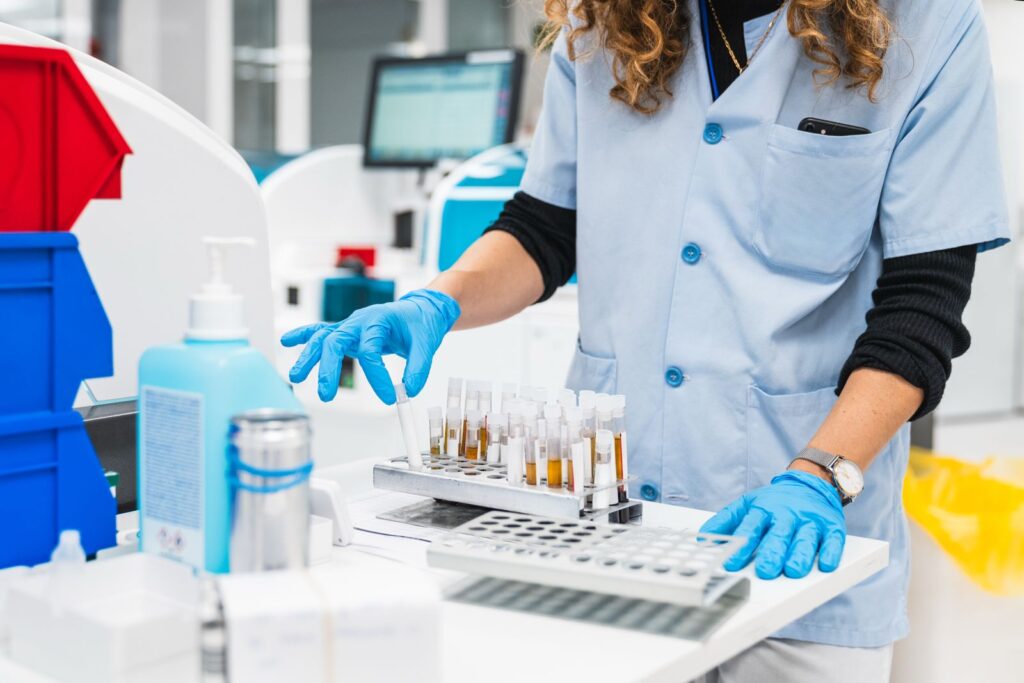
Order labs in the morning between 7:00 and 10:00 AM when testosterone peaks. Key tests include:
- Total testosterone (morning sample)
- Free or bioavailable testosterone if SHBG is suspected abnormal
- LH and FSH to evaluate primary versus secondary hypogonadism
- Prolactin if symptoms suggest pituitary disease
- SHBG, estradiol, CBC with hematocrit, PSA, liver enzymes, fasting lipids, and fasting glucose or A1c
Reference ranges vary by lab, but total testosterone under 300 ng/dL is commonly considered low in adult men. Many clinicians aim for TRT target ranges of 400 to 700 ng/dL for symptom improvement. Use local labs such as LabCorp or Quest Diagnostics in California for standardized assays.
Diagnosing the Cause: Primary vs Secondary
If LH and FSH are high, think primary testicular dysfunction. If LH and FSH are low or normal while testosterone is low, consider secondary causes like pituitary issues, obesity, or medication effects.
Identify reversible contributors first: uncontrolled type 2 diabetes, opioid or glucocorticoid use, heavy alcohol intake, and significant sleep apnea. Treating these can sometimes restore testosterone without TRT.
TRT Protocols: Options and Practical Doses
Select a TRT form based on lifestyle, fertility goals, and monitoring ability. Common options include injections, gels, and subcutaneous pellets.
- Intramuscular injections: Testosterone cypionate or enanthate 50-200 mg per week. Many clinicians prefer divided dosing (e.g., 50-100 mg twice weekly) to reduce peaks and troughs.
- Subcutaneous injections: Lower-dose weekly or twice-weekly regimens delivered under the skin are increasingly used for steady levels.
- Topical gels: 5-10 g daily delivering 50-100 mg testosterone; good for steady absorption but risk of transference to partners.
- Pellets: Inserted every 3-6 months; useful for compliance but require minor outpatient procedure.
Start at a conservative dose and recheck labs at 6-8 weeks for dose adjustment. Maintain hematocrit below 54 percent and monitor PSA and symptoms.
HCG Therapy: Preserving Fertility and Testicular Size
If fertility or testicular volume matters, add human chorionic gonadotropin (HCG). Typical HCG dosing is 250-500 IU two to three times per week. HCG mimics LH, stimulating intratesticular testosterone production and maintaining spermatogenesis in many men on TRT.
For men actively trying to conceive, some clinicians use HCG alone or with selective estrogen modulators like clomiphene citrate as a fertility-preserving alternative to conventional TRT. Discuss sperm analysis and urology referral when planning conception.
Monitoring and Safety: Labs and Symptoms to Follow
Monitoring schedule:
- Baseline labs before starting TRT
- Check testosterone, hematocrit, and estradiol at 6-8 weeks after initiating or changing dose
- Re-evaluate every 3 months during the first year, then every 6-12 months once stable
Stop or adjust therapy if hematocrit rises above 54 percent, PSA increases substantially, or there are concerning side effects. Consider phlebotomy for symptomatic erythrocytosis.
Natural Strategies: Complementary Measures That Help
TRT works best combined with lifestyle changes. Key interventions with measurable effects include:
- Resistance training: 2-4 sessions per week improves muscle mass and insulin sensitivity.
- Weight loss: Losing 7-10 percent body weight can raise testosterone in obese men.
- Sleep optimization: Aim for 7-9 hours; treat sleep apnea with CPAP if present.
- Nutrition: Adequate protein, healthy fats, vitamin D sufficiency, and zinc intake support hormonal health.
These steps can reduce required TRT dose and improve overall outcomes.
Patient Example: A Practical Scenario
John is a 52-year-old man in San Diego with 9 months of low energy, reduced libido, and 10 pounds of unexplained weight gain. His morning total testosterone is 245 ng/dL and hematocrit is 43 percent. LH is low normal. After discussing goals, John starts testosterone injections 100 mg weekly split into 50 mg twice weekly plus HCG 250 IU twice weekly to preserve fertility. At 8 weeks his testosterone is 520 ng/dL, symptoms improve, and hematocrit remains 44 percent.
This example shows a typical start, the importance of dose splitting, HCG for testicular health, and early lab-based adjustments.
How to Find a TRT Provider in California
Search for board-certified endocrinologists or urologists with TRT experience, or reputable men’s health clinics in Los Angeles, San Francisco, San Diego, and Sacramento. Telemedicine clinics can order labs locally through LabCorp or Quest Diagnostics and ship medications directly.
Bring recent lab results, a symptom checklist, medication list, and fertility goals to your appointment. Ask for a clear monitoring plan and written consent covering risks and alternatives.
Cost and Insurance Considerations
Insurance coverage varies. Generic injectable testosterone is often lower cost; topical gels and pellets may be more expensive. Lab testing, imaging, and specialist visits can add to costs. In California, compare clinic packages and check whether telemedicine consults are covered by your plan.
When to Refer and Red Flags
Refer to urology for abnormal PSA or hard nodules on exam. Urgent endocrine or neurosurgery referral is needed for very high prolactin or pituitary mass on imaging. Stop TRT for active, untreated prostate cancer or uncontrolled erythrocytosis until addressed.
Frequently Asked Questions
How often should testosterone be measured while on TRT?
Measure serum testosterone 6-8 weeks after starting or changing dose, then every 3 months the first year. Once stable, tests every 6-12 months are reasonable; check hematocrit and PSA per protocol.
Can TRT cause infertility?
Conventional TRT can suppress sperm production by lowering intratesticular testosterone. Adding HCG or using fertility-preserving protocols helps maintain spermatogenesis for men who want children.
What are safe target testosterone levels on therapy?
Most clinicians aim for total testosterone in the range of 400-700 ng/dL to reduce symptoms while minimizing side effects. Individualize targets based on symptoms, age, and comorbidities.
Is TRT safe for men with a history of prostate cancer?
Active or untreated prostate cancer is a contraindication. For men with treated, monitored prostate cancer, decisions require shared decision-making with oncology and urology specialists.
How does HCG help when combined with TRT?
HCG acts like LH to stimulate the testes, preserving testicular size and often maintaining sperm production. Typical dosing is 250-500 IU two to three times per week, adjusted by response and fertility goals.
What lifestyle changes improve testosterone naturally?
Effective measures include resistance training, losing excess body fat, optimizing sleep, correcting vitamin D deficiency, and limiting alcohol and opioid use. These changes can complement or reduce the need for TRT.
Conclusion
Low testosterone is a common, treatable condition that responds best to a combined approach of accurate diagnosis, personalized TRT protocols, fertility-preserving strategies like HCG when needed, and lifestyle optimization. Use morning labs for accurate assessment, follow safety monitoring, and work with a qualified clinician—locally in California or via telemedicine—to create a plan matched to your goals.
Disclaimer
This blog is for informational and educational purposes only and does not constitute medical advice, diagnosis, or treatment. The content provided is based on general health information and research available as of the publication date. Individual health conditions vary, and what works for one person may not be appropriate for another.
Always consult with a qualified healthcare provider before starting any new treatment, including testosterone replacement therapy (TRT), making changes to existing treatments, or if you have questions about your specific health condition. Never disregard professional medical advice or delay seeking it because of information you read on this blog.
If you are experiencing a medical emergency, call 911 or your local emergency services immediately. The information on this website does not create a doctor-patient relationship and should not be used as a substitute for professional medical advice, diagnosis, or treatment.