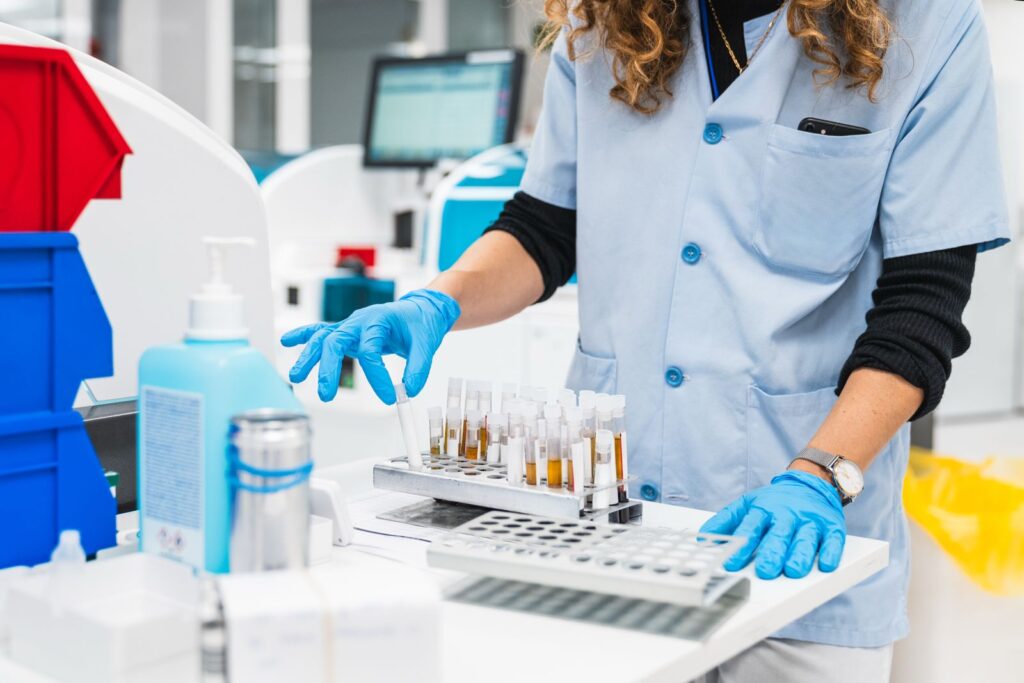

Low testosterone affects many men in California and can show up as low libido, erectile dysfunction, fatigue, weight gain, muscle loss, and mood changes. If you are experiencing several of these symptoms, understanding the diagnostic process and treatment options can help you take confident next steps. This guide walks you through an actionable pathway from self-assessment to safe, monitored testosterone replacement therapy.
We focus on practical details you can use in a clinic or telemedicine visit in California: which labs to order, how to interpret results, common TRT protocols, the role of HCG, and natural strategies to improve hormones. Read on for specific examples, monitoring schedules, dosing ranges, and safety checks to discuss with your provider.
Recognizing Low Testosterone: Symptoms and Self-Assessment
Start with a simple checklist. If you answer yes to three or more items below, bring the list to a clinician visit.
- Persistent low energy or increased fatigue
- Reduced libido or difficulty with erections
- Unexplained weight gain, especially increased abdominal fat
- Loss of muscle mass or decreased strength
- Mood swings, irritability, or low motivation
Example scenario: a 45-year-old man reports three months of low energy and reduced interest in sex. He notes a 10-pound weight gain and difficulty building muscle despite continued gym workouts. This pattern warrants biochemical testing.
Diagnostic Testing: What to Order and Why
Accurate diagnosis depends on the right labs done at the right time. Schedule blood draws in the morning, ideally between 7:00 and 10:00 AM, fasting when possible, because testosterone follows a circadian rhythm.
Core tests to order:
- Total testosterone (morning): reference range commonly 300-1000 ng/dL. Levels below 300 ng/dL on two separate morning tests suggest low testosterone.
- Free testosterone or calculated free-T: useful when SHBG is abnormal.
- Luteinizing hormone (LH) and follicle-stimulating hormone (FSH): differentiate primary from secondary hypogonadism.
- Estradiol (E2): elevated levels can cause gynecomastia and mood issues.
- Prostate-specific antigen (PSA) and digital rectal exam when indicated, especially for men over 40.
- Complete blood count (CBC) to assess hematocrit and hemoglobin; baseline is critical before starting TRT.
- Metabolic panel, fasting glucose or A1c, and lipid panel to screen cardiometabolic risk.
Ordering labs in California: major lab networks like LabCorp and Quest are available statewide. If using telemedicine, ensure your provider sends requisitions accepted by local draw sites.
Interpreting Results: Typical Patterns and Meaning
Common biochemical patterns include:
- Low total T with low/normal LH: suggests secondary hypogonadism and possible pituitary or hypothalamic causes.
- Low total T with high LH: suggests primary testicular failure.
- Normal total T but low free T with high SHBG: consider age, liver disease, thyroid issues, or medication effects.
Example: Total T 220 ng/dL, LH 3 mIU/mL (normal), normal prolactin. This pattern suggests secondary hypogonadism and may respond well to TRT plus evaluation for reversible causes like opioid use or chronic illness.
TRT Protocols: Dosing, Forms, and Practical Tips
Select a delivery method based on lifestyle, cost, and medical needs. Below are commonly used options with practical guidance.
Injectable Testosterone
Most clinics use testosterone cypionate or enanthate. Typical starting doses:
- 50-200 mg per week, often split into two injections such as 50-100 mg twice weekly to reduce peak-trough swings.
Actionable tip: for a starting plan, many providers recommend 100 mg per week given as 50 mg on Monday and 50 mg on Thursday. Draw a trough level the day before a scheduled injection to check steady-state levels.
Transdermal Gels and Patches
Gels (eg, 1%-1.62% formulations) are dosed daily. Typical ranges are 5-10 mg per day. Check levels 2-4 hours after application to assess absorption. Apply to clean, dry skin and avoid contact with others until fully dry.
Oral and Buccal Forms
Oral testosterone options are limited and often less favored due to variable absorption and liver considerations. Discuss risks with your provider if these are proposed.
HCG Therapy: Preserving Fertility and Testicular Size
Human chorionic gonadotropin (HCG) mimics LH and stimulates the testes to make testosterone and maintain spermatogenesis. It is often used when fertility preservation is desired.
Typical dosing is 250-500 IU given 2-3 times per week alongside TRT. For men who want to restore fertility, higher frequency dosing and referral to a reproductive specialist may be needed.
Monitoring: Safety Checks and Timeline
Monitoring protects your health and optimizes outcomes. A common schedule:
- Baseline labs before starting therapy.
- Follow-up at 6-12 weeks: total testosterone and symptom check; adjust dose if needed.
- Repeat labs at 3 months, 6 months, then every 6-12 months once stable.
- CBC at baseline, 3 months, and periodically to watch for hematocrit rise; stop or adjust therapy if hematocrit exceeds 54% or as advised by your clinician.
- PSA testing based on age and baseline risk; discuss prostate monitoring with your provider.
Actionable checklist for lab draws: schedule morning samples, note timing relative to your last injection or gel application, and inform the lab if you are on HCG or other adjuncts.
Managing Common Side Effects and Risks
Side effects can include increased hematocrit, acne, fluid retention, and changes in mood. Polycythemia can increase clot risk and requires dose modification or phlebotomy.
Absolute contraindications include untreated prostate or breast cancer. Relative concerns include uncontrolled sleep apnea and severe heart failure. A comprehensive medical review is required before starting TRT.
Integrating Natural Methods and Lifestyle Changes
TRT works best when combined with lifestyle changes that support hormonal health. Evidence-based strategies include:
- Resistance training 3-4 times per week to boost muscle and natural testosterone production.
- Improve sleep hygiene to aim for 7-9 hours per night.
- Lose excess body fat with a calorie-controlled diet; visceral fat lowers testosterone.
- Correct vitamin D deficiency and ensure adequate zinc and magnesium if deficient.
These interventions can reduce the dose needed or improve symptom response when TRT is used.
Practical Steps to Start TRT in California
- Collect your symptom checklist and record morning lab results or schedule testing with a local LabCorp or Quest site.
- Book a consultation with a TRT clinic, urologist, or endocrinologist; California offers both in-person and telemedicine options.
- Discuss goals: symptom relief, fertility preservation, or performance goals to decide on HCG or other adjuncts.
- Agree on a monitoring schedule and sign consent for expected risks and benefits.
- Start with a conservative protocol and adjust based on symptoms and labs.
Real-World Example
Patient A, age 52, had total testosterone 260 ng/dL and fatigue plus low libido. He started 100 mg weekly of testosterone cypionate split into two doses, plus 250 IU HCG twice weekly to preserve testicular volume. At 3 months his total T rose to 550 ng/dL, hematocrit remained 45%, and he reported improved energy and libido. Dose adjustments were discussed after 6 months based on trough levels and side effects.
Frequently Asked Questions
How soon will I feel better on TRT?
Many men notice improvements in energy and libido within 2-6 weeks, with fuller benefits in strength and muscle mass by 3-6 months. Individual response varies by baseline health, dose, and adherence to lifestyle changes.
Will TRT affect my fertility?
Exogenous testosterone can suppress sperm production and reduce fertility. If you want to father children, discuss starting HCG or alternative therapies before beginning TRT to preserve testicular function.
What are safe testosterone levels on therapy?
Providers typically aim for mid-normal levels, often 400-700 ng/dL for total testosterone, while monitoring symptoms and side effects. Monitoring also checks hematocrit, PSA, and estradiol to keep therapy safe.
How often should labs be checked after starting TRT?
Common practice is a follow-up at 6-12 weeks after initiation or dose change, then at 3 months, 6 months, and every 6-12 months when stable. CBC at baseline and at 3 months is essential to detect polycythemia early.
Can I get TRT via telemedicine in California?
Yes, many California clinics offer telemedicine consultations and lab requisitions for local draw sites. Ensure the provider is licensed in California and follows evidence-based monitoring protocols.
Is HCG necessary for all men on TRT?
HCG is not required for everyone. It is recommended when fertility preservation or testicular maintenance is desired. Discuss personal goals with your clinician to decide if HCG should be added.
Conclusion
Starting testosterone replacement therapy is a stepwise process that begins with symptom recognition and accurate morning labs. In California, access to labs and telemedicine makes diagnosis and safe monitoring feasible for most men. Work with a licensed provider to choose the best delivery method, consider HCG when fertility matters, and commit to regular lab monitoring and lifestyle changes to maximize benefits and minimize risks.
Disclaimer
This blog is for informational and educational purposes only and does not constitute medical advice, diagnosis, or treatment. The content provided is based on general health information and research available as of the publication date. Individual health conditions vary, and what works for one person may not be appropriate for another.
Always consult with a qualified healthcare provider before starting any new treatment, including testosterone replacement therapy (TRT), making changes to existing treatments, or if you have questions about your specific health condition. Never disregard professional medical advice or delay seeking it because of information you read on this blog.
If you are experiencing a medical emergency, call 911 or your local emergency services immediately. The information on this website does not create a doctor-patient relationship and should not be used as a substitute for professional medical advice, diagnosis, or treatment.