

Low testosterone affects many men and can show up as low libido, erectile dysfunction, fatigue, weight gain, muscle loss, and mood changes. If you live in California and are considering testosterone replacement therapy, you need a clear, step-by-step plan that balances benefits and safety.
This guide walks you through symptom recognition, diagnostic testing, common TRT protocols including HCG use, monitoring, and natural measures you can start today. It includes California-specific tips for finding providers, labs, and pharmacies to make the process efficient and compliant.
Recognize the Signs and Self-Assess
Start with a focused symptom checklist. Track symptoms for at least four weeks and note severity and timing. Symptoms that commonly prompt evaluation include persistent fatigue, decreased morning erections, reduced sexual interest, unexplained weight gain, loss of muscle mass, and increased irritability.
Use this quick self-assessment:
- Low energy or chronic fatigue
- Lowered libido or fewer spontaneous erections
- Difficulty building or maintaining muscle despite training
- Unexplained weight gain, especially around the midsection
- Concentration or mood changes
Step 1: Get the Right Lab Tests
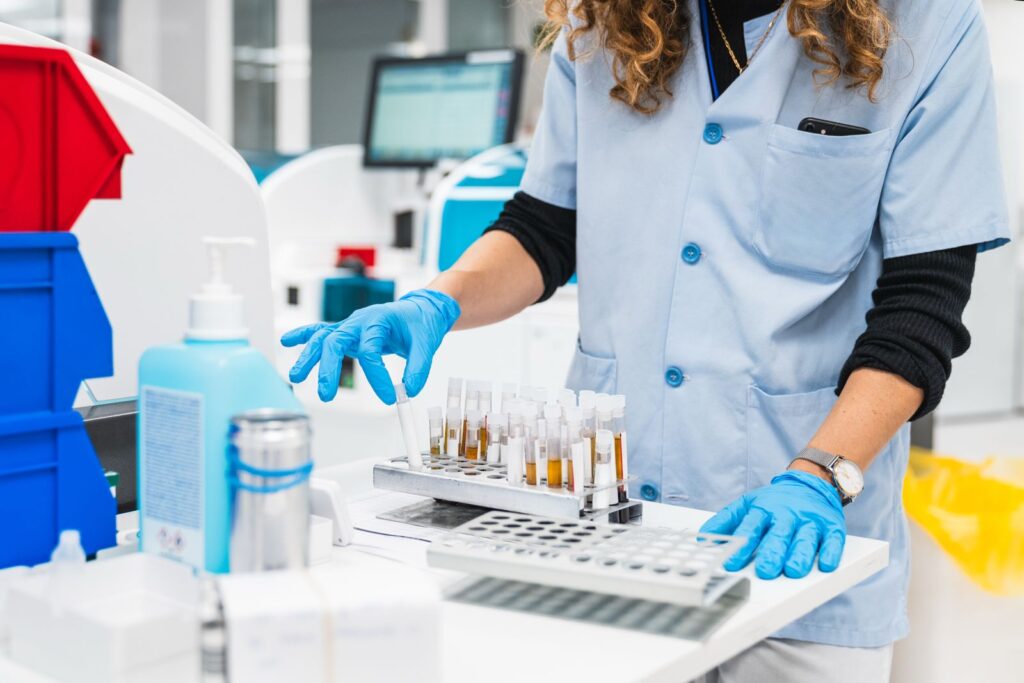
Diagnosis depends on morning blood tests and a clinical exam. Order labs between 7 am and 10 am on two separate days if results are borderline. Typical tests include:
- Total testosterone (morning draw)
- Free testosterone or calculated free-T
- Sex hormone binding globulin – SHBG
- LH and FSH to evaluate primary versus secondary hypogonadism
- Estradiol, CBC, CMP (liver and kidney function), fasting lipids, and PSA
In California you can use large lab networks such as LabCorp or Quest Diagnostics for reliable testing. Telemedicine clinics often provide lab requisitions that are accepted statewide.
Step 2: Professional Evaluation and Fertility Planning
Consult a board-certified physician experienced in men’s health or endocrinology. Discuss fertility goals before starting TRT because testosterone therapy can lower sperm production. If you want future children, consider sperm banking or protocols that preserve fertility.
If fertility is a priority, ask about HCG therapy or selective protocols that use HCG plus lower-dose testosterone to maintain intratesticular signaling. A common HCG regimen is 250-500 IU subcutaneous two to three times weekly, but dosing should be individualized.
Step 3: Choose a TRT Protocol
Treatment selection is individualized based on symptoms, labs, fertility plans, and lifestyle. Common options include:
- Intramuscular injections (testosterone cypionate or enanthate): Typical dosing is 50-100 mg twice weekly or 100-200 mg every 7-14 days. Twice weekly injections create more stable levels and fewer mood swings.
- Topical gels: Products often deliver the equivalent of 40-50 mg testosterone per day. Apply daily to clean, dry skin and avoid skin-to-skin transfer to partners or children.
- Subcutaneous injections: Increasingly popular due to stable levels and ease of home administration.
- HCG add-on to preserve fertility or maintain testicular volume.
Providers in California commonly combine modalities. For example, a man who wants fertility maintenance might receive lower-dose injectable testosterone plus HCG 250 IU three times weekly.
Step 4: Monitoring and Lab Schedule
Safety monitoring is essential. Expect this typical follow-up schedule:
- Baseline labs and physical exam
- First follow-up labs at 4-8 weeks after starting therapy
- Three-month assessment for symptom response and adverse effects
- Ongoing monitoring every 6-12 months once stable
Monitor total testosterone, free-T, hematocrit/CBC, PSA, estradiol, and metabolic labs. If hematocrit rises above 52 percent, dosage adjustments or therapeutic phlebotomy may be needed to reduce clot risk. Adjustments should be guided by labs and symptoms, not by a fixed schedule alone.
Safety, Contraindications, and Red Flags
TRT is not appropriate for everyone. Contraindications include untreated prostate cancer, severe untreated sleep apnea, and certain hematologic conditions. Discuss cardiovascular history with your provider. While data on TRT and heart risk is mixed, careful assessment of risk factors is necessary.
Stop therapy and contact your clinician if you develop chest pain, shortness of breath, significant swelling, sudden vision changes, or a very high hematocrit. These are urgent red flags.
Natural Strategies to Improve Testosterone
Implement evidence-based lifestyle changes alongside or before medical therapy. These include:
- Resistance training – compound lifts two to four times per week
- Weight loss for men with obesity – losing 5-10 percent body weight can raise testosterone
- Improve sleep – aim for 7-9 hours nightly and treat sleep apnea if present
- Optimize vitamin D and zinc if deficient
- Limit excessive alcohol and avoid anabolic steroid use
Natural measures can improve mild low testosterone and enhance outcomes on TRT.
How to Find a TRT Provider in California
Look for clinicians who are board-certified in family medicine, internal medicine, urology, or endocrinology with focused experience in men’s health. Practical tips:
- Choose clinics that partner with LabCorp or Quest for convenient draws and standardized results
- Ask whether the clinic uses accredited pharmacies and whether they ship to your ZIP code in California
- Verify telemedicine availability for follow-up visits; California allows telehealth for prescriptions but clinicians must follow state regulations
- Read patient reviews for follow-up responsiveness and transparent pricing
Example Patient Scenarios
Scenario 1: A 45-year-old man with fatigue and low libido. Morning total testosterone is 260 ng/dL on two tests. After counseling he starts 50 mg intramuscular twice weekly. Labs at 8 weeks show total T 650 ng/dL and improved energy. Hematocrit remains normal.
Scenario 2: A 32-year-old wanting future children. Total T is 240 ng/dL. The provider recommends HCG 250 IU three times weekly to boost endogenous production and arranges sperm analysis. If fertility preservation is needed, sperm banking is offered before full TRT.
Action Plan Checklist
- Track symptoms for four weeks
- Obtain morning testosterone and supporting labs
- Consult a qualified California provider for shared decision making
- Discuss fertility plans and consider HCG or sperm banking if needed
- Start lifestyle changes immediately – sleep, training, weight management
- Follow scheduled labs and report red-flag symptoms promptly
Frequently Asked Questions
How do doctors diagnose low testosterone?
Diagnosis requires both consistent symptoms and low morning total testosterone on at least one, and ideally two, separate tests. Providers also check free testosterone, LH, FSH, SHBG, estradiol, and safety labs to determine cause and guide therapy.
Will TRT affect my ability to have children?
Yes, exogenous testosterone can suppress sperm production and reduce fertility. If you plan to father children, discuss alternatives such as HCG therapy or sperm banking before starting TRT.
What are common TRT side effects?
Side effects include acne, increased hematocrit, fluid retention, and changes in mood or libido. Regular monitoring of CBC, PSA, and symptoms helps detect and manage adverse effects early.
How long until I feel benefits from TRT?
Some men notice improved energy and libido within 2-6 weeks, while muscle gains and body composition changes often take 3-6 months. Response varies based on baseline health, dosing, and adherence.
Can I use telemedicine for TRT in California?
Yes, many California clinics offer telemedicine visits for evaluation, prescriptions, and follow-up labs. Ensure the clinic is licensed in California and partners with local labs and pharmacies to complete testing and medication delivery.
Is HCG necessary with TRT?
HCG is not required for all men but is recommended when preserving fertility or testicular volume is important. It mimics LH and supports internal testosterone production and spermatogenesis when used appropriately.
Conclusion
Starting TRT in California requires symptom recognition, accurate morning labs, a professional evaluation, and an individualized treatment plan that balances symptom relief and safety. Combine medical therapy with evidence-based lifestyle changes, and work with a qualified provider who uses standardized labs and follows clear monitoring protocols. With the right approach you can restore energy, improve sexual function, and rebuild muscle while minimizing risks.
Disclaimer
This blog is for informational and educational purposes only and does not constitute medical advice, diagnosis, or treatment. The content provided is based on general health information and research available as of the publication date. Individual health conditions vary, and what works for one person may not be appropriate for another.
Always consult with a qualified healthcare provider before starting any new treatment, including testosterone replacement therapy (TRT), making changes to existing treatments, or if you have questions about your specific health condition. Never disregard professional medical advice or delay seeking it because of information you read on this blog.
If you are experiencing a medical emergency, call 911 or your local emergency services immediately. The information on this website does not create a doctor-patient relationship and should not be used as a substitute for professional medical advice, diagnosis, or treatment.