

Low testosterone can feel like slow erosion of energy, drive, and strength. For men in California who struggle with fatigue, low libido, erectile dysfunction, or muscle loss, a clear plan for diagnosis and treatment helps restore quality of life.
This guide explains how testosterone replacement therapy (TRT) works, the tests clinicians order, common treatment protocols including HCG therapy, and safe monitoring practices. You will also find practical lifestyle steps you can start today and questions to ask your provider in California clinics or via telemedicine.
Recognizing Low Testosterone: Key Symptoms and When to Test
Symptoms often cluster rather than appear in isolation. The most common complaints are low libido, erectile dysfunction, persistent fatigue, unexplained weight gain, loss of muscle mass, and mood changes such as irritability or depression.
Consider testing if you have two or more symptoms lasting at least three months. Men over age 40, those with obesity, type 2 diabetes, obstructive sleep apnea, or prior anabolic steroid use should have a lower threshold for evaluation.
Initial Diagnostic Workup
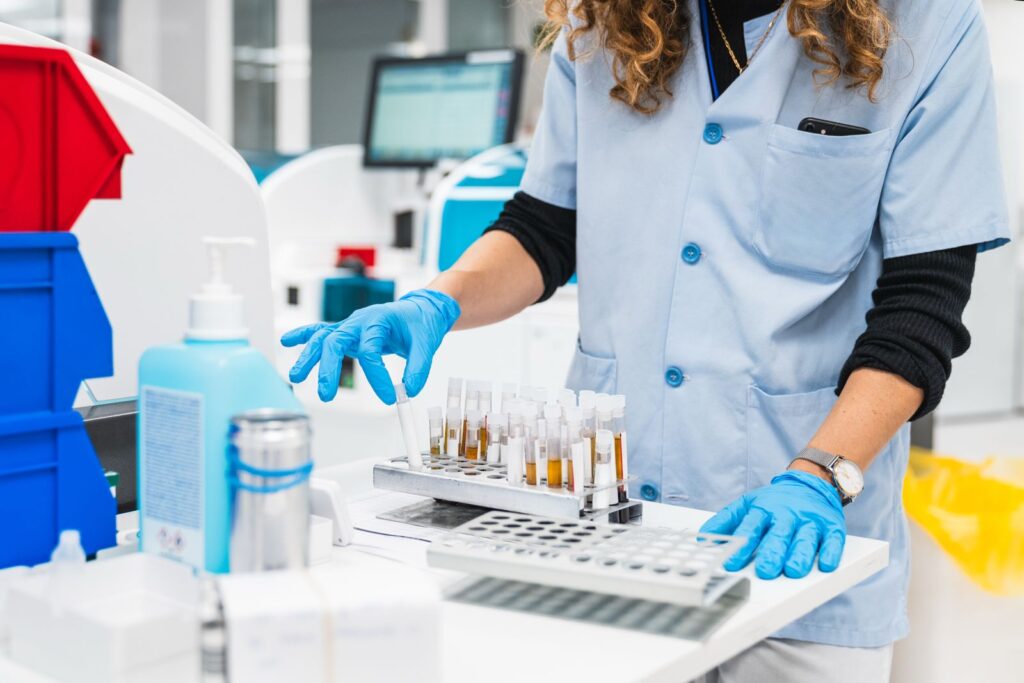
A reliable diagnosis requires both symptom assessment and laboratory testing. Labs should be drawn in the morning between 7:00 and 10:00 AM on two separate days when possible.
- Total testosterone: typical reference range 300-1000 ng/dL, but symptom correlation matters more than a number alone.
- Free testosterone or calculated free testosterone helps in borderline total T cases.
- LH and FSH: evaluate primary versus secondary hypogonadism.
- Prolactin: elevated levels can suppress testosterone.
- Estradiol: monitor for estrogen elevation during therapy.
- CBC with hematocrit, PSA, metabolic panel, lipid panel, LFTs.
If LH and FSH are low or normal with low testosterone, an endocrine or urology referral is appropriate to assess pituitary causes. MRI imaging may be needed rarely.
TRT Options and Practical Protocols
TRT is individualized. Common delivery methods include intramuscular injections, transdermal gels, and subcutaneous pellets. Each has pros and cons in convenience, cost, and blood level stability.
Injection protocols
Injections often provide the most cost-effective and controllable option. Common regimens include:
- Testosterone cypionate 100 mg IM weekly, or 50 mg twice weekly for smoother levels.
- Testosterone enanthate at similar doses and frequency.
Some men prefer smaller, more frequent dosing to avoid peaks and valleys that affect mood and erectile function. Subcutaneous injection is a practical alternative to intramuscular delivery for many patients.
Gels and transdermal options
Topical gels provide once-daily dosing and steady absorption. They require caution to prevent transfer to partners or children. Gels may cost more over time and can result in variable absorption in overweight men.
Pellets
Pellet implants release testosterone over 3-6 months. They reduce dosing burden but carry a minor procedure risk and less dosing flexibility for side-effect management.
HCG and Fertility Preservation
Traditional TRT suppresses endogenous sperm production by lowering LH. For men who want to preserve or restore fertility, human chorionic gonadotropin (HCG) stimulates testicular testosterone production and supports spermatogenesis.
Typical HCG dosing is 250 IU to 500 IU subcutaneously two or three times weekly alongside TRT. In men actively trying to conceive, clinicians may recommend HCG plus human menopausal gonadotropin (hMG) or recombinant FSH when needed. Discuss fertility goals before starting therapy.
Monitoring and Safety: Labs and Frequency
Monitoring minimizes risks and ensures benefits. Recommended schedule:
- Baseline labs before starting therapy.
- Recheck testosterone, hematocrit, and estradiol at 4 to 12 weeks after initiation or dose change.
- Then monitor every 3 to 6 months during the first year, and annually once stable.
Watch for polycythemia. If hematocrit exceeds 54 percent, clinicians may pause therapy, reduce dose, or refer for therapeutic phlebotomy. Monitor PSA in men over 40 or with risk factors for prostate disease; mild PSA rises can occur and require urology input.
Managing Side Effects and Complications
Common issues include acne, fluid retention, mood swings, and increased red blood cell mass. Less common problems are sleep apnea worsening and testicular shrinkage.
Strategies include dose adjustment, switching delivery methods, adding low-dose HCG to maintain testicular size, and treating elevated estradiol with anastrozole only when clinically indicated. Avoid empiric estrogen-blocking without lab evidence.
Natural Strategies to Boost Testosterone
Medical therapy often works best alongside lifestyle interventions. These measures also help men reduce TRT dose or improve baseline levels.
- Resistance training: heavy compound lifts 2 to 4 times weekly promote muscle preservation and hormonal health.
- Quality sleep: aim for 7 to 8 hours per night; poor sleep lowers testosterone.
- Weight management: losing 5 to 10 percent of body weight can raise testosterone substantially.
- Nutritional support: ensure adequate protein, vitamin D, zinc, and omega-3 intake.
- Limit alcohol and avoid recreational anabolic steroids.
Finding a Provider in California and Telemedicine Options
California has many clinics that specialize in men’s hormonal health. Look for providers who perform full lab panels, discuss fertility, and provide written informed consent detailing risks and benefits.
Telemedicine clinics can deliver lab ordering and prescription services statewide, but insist on local lab testing and clear follow-up plans. For complex cases or abnormal pituitary labs, seek an in-person endocrinology or urology consult.
Patient Journey: What to Expect
Expect a stepwise process: symptom review, initial labs, shared decision making, a therapy trial, and scheduled monitoring. Improvement in libido and energy often appears within 2 to 6 weeks, while muscle and body composition changes may take 8 to 16 weeks.
Keep a symptom diary, track morning erections, and note side effects. This information helps your provider fine-tune dosing and delivery method.
Questions to Ask Your Clinician
- What are my baseline labs and how will you monitor them?
- How will this treatment affect my fertility and what options preserve it?
- What is your plan if hematocrit or PSA rises?
- Can we try lifestyle changes before or alongside TRT?
Frequently Asked Questions
How long does TRT take to improve libido and energy?
Many men notice improvements in libido and energy within 2 to 6 weeks of starting TRT. Full benefits for muscle strength and body composition typically require 8 to 16 weeks of consistent therapy.
Will TRT make me infertile?
Standard TRT suppresses LH and can reduce sperm production, sometimes leading to infertility. If fertility is a priority, discuss adding HCG or fertility-directed regimens before starting TRT.
What labs should be monitored and how often?
Essential labs include total and free testosterone, estradiol, CBC with hematocrit, PSA, and metabolic panels. Check at baseline, 4 to 12 weeks after starting, then every 3 to 6 months in the first year and annually once stable.
Is HCG necessary with TRT?
HCG is not required for all men but is recommended for those who want to preserve fertility or prevent testicular atrophy. Typical dosing is 250 IU to 500 IU subcutaneously two to three times weekly.
Can lifestyle changes replace TRT?
Lifestyle interventions such as weight loss, resistance training, better sleep, and nutrition can significantly improve testosterone and symptoms in many men. However, men with persistently low levels despite changes may still benefit from TRT.
How do I choose between injections, gels, or pellets?
Choice depends on convenience, cost, and side-effect profile. Injections offer dose flexibility and cost savings, gels are once daily but risk transfer, and pellets are low-maintenance but less adjustable. Discuss preferences with your provider.
Conclusion
Restoring energy and libido with TRT is a collaborative process that balances symptom relief with safety and fertility goals. In California, access to specialized clinics and telemedicine makes informed care more convenient, but good outcomes rely on accurate testing, individualized protocols, and regular monitoring. Start with a clear symptom inventory, get morning labs, and discuss HCG if fertility matters to you. With the right plan, most men experience meaningful improvements in quality of life.
Disclaimer
This blog is for informational and educational purposes only and does not constitute medical advice, diagnosis, or treatment. The content provided is based on general health information and research available as of the publication date. Individual health conditions vary, and what works for one person may not be appropriate for another.
Always consult with a qualified healthcare provider before starting any new treatment, including testosterone replacement therapy (TRT), making changes to existing treatments, or if you have questions about your specific health condition. Never disregard professional medical advice or delay seeking it because of information you read on this blog.
If you are experiencing a medical emergency, call 911 or your local emergency services immediately. The information on this website does not create a doctor-patient relationship and should not be used as a substitute for professional medical advice, diagnosis, or treatment.