
Low testosterone affects energy, libido, mood, and muscle mass for many men. If you are considering testosterone replacement therapy, you need a clear, step-by-step plan that balances benefits and safety. This guide explains how to start TRT safely, what tests you need, and how to choose an effective protocol.
Below you will find actionable steps, real-world examples, and a checklist to take to your clinic visit. The focus is practical: diagnostic criteria, treatment options including HCG therapy, monitoring schedules, and lifestyle steps that boost results. Always consult a licensed provider before beginning any hormone therapy.
Recognize the Symptoms and Do a Self-Assessment
Symptoms of testosterone deficiency are varied. Common complaints include erectile dysfunction, low libido, fatigue, unwanted weight gain, loss of muscle mass, and mood changes such as increased irritability or low motivation.
Use a short self-assessment before scheduling labs. Ask yourself:
- Have I had persistent fatigue and low libido for at least 3 months?
- Have I lost muscle or gained central body fat without a clear cause?
- Do I have concentration or mood declines that affect daily life?
If you answered yes to one or more items, proceed with objective testing rather than assuming causes.
Essential Baseline Labs Before Starting TRT
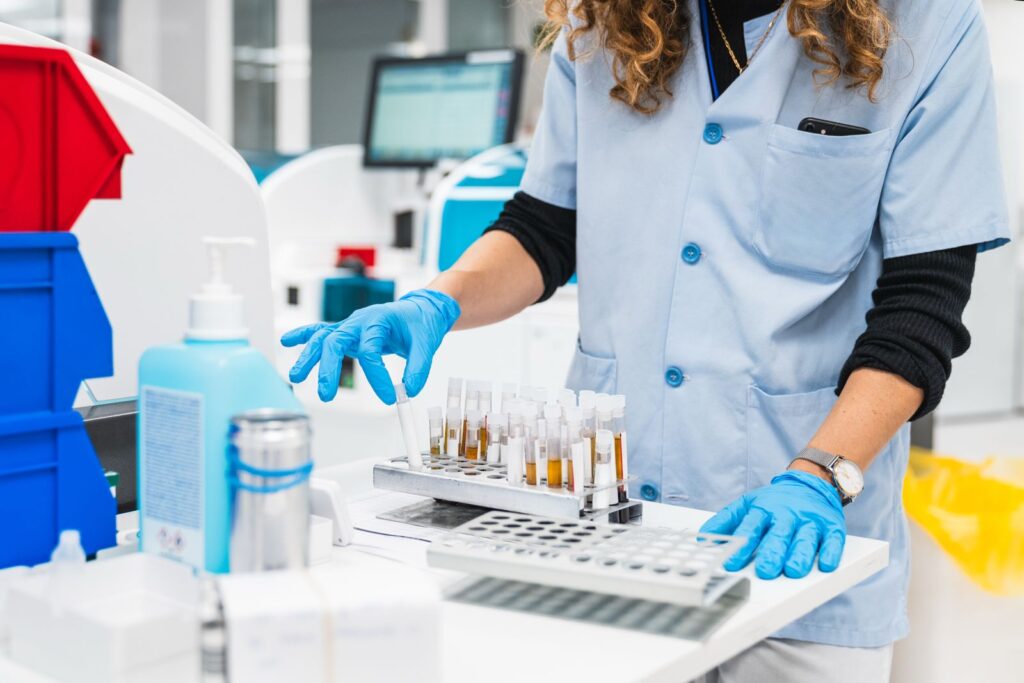
Good care starts with thorough lab work. Order labs early in the morning when testosterone peaks, ideally before 10 AM. Typical baseline tests include:
- Total testosterone (morning draw)
- Free testosterone or calculated free testosterone
- LH and FSH to distinguish primary from secondary hypogonadism
- Prolactin and estradiol
- SHBG, comprehensive metabolic panel, liver function
- Hematocrit and CBC
- PSA for men over 40 or with prostate risk
- Fasting glucose or A1c and lipid panel
Typical actionable thresholds: many clinics consider total testosterone less than about 300 ng/dL as low, but clinical symptoms and free testosterone matter too. Interpretation varies, so review results with a knowledgeable clinician.
Choosing a TRT Protocol: Pros and Cons
Options include injections, gels, buccal formulations, and subcutaneous pellets. Each has pros and cons; pick what fits your lifestyle and fertility goals.
- Intramuscular injections (testosterone cypionate or enanthate): common, cost-effective, flexible dosing. Typical dosing is 50-200 mg weekly or divided twice-weekly to reduce peaks and troughs.
- Topical gels: steady serum levels and ease of use. Risk of transfer to partners or children requires strict precautions.
- Subcutaneous pellets: long-lasting for 3-6 months but require minor procedure and less dose control.
Discuss convenience, cost, and monitoring needs with your provider before choosing.
HCG and Fertility Preservation
If you want to maintain fertility while on TRT, add human chorionic gonadotropin (HCG). HCG stimulates testicular production of testosterone and supports sperm production.
Typical practice examples: HCG 500 to 1,000 IU injected subcutaneously 2-3 times per week alongside testosterone therapy. Some patients use HCG alone or in combination with selective estrogen receptor modulators like clomiphene citrate when fertility preservation is a priority.
Always coordinate HCG use with semen analysis and endocrine follow-up.
Monitoring and Follow-Up Schedule
Safe TRT requires routine monitoring to catch adverse effects and adjust dosing. A common schedule is:
- Baseline labs before starting therapy.
- Follow-up labs at 6 to 12 weeks after initiating or changing dose to measure total and free testosterone, hematocrit, estradiol, and metabolic markers.
- Every 3 to 6 months during the first year, then every 6 to 12 months once stable.
Watch for elevated hematocrit above 52 percent, rising PSA, or worsening sleep apnea. If hematocrit elevates, reduce dose or increase monitoring frequency. If PSA rises significantly, pause therapy and evaluate with a urologist.
Addressing Side Effects and Risks
TRT can improve energy, sexual function, and body composition, but it carries risks. Common side effects include acne, fluid retention, and increased hematocrit. Less common issues include elevated estrogen levels and suppressed sperm production.
Actionable responses:
- Elevated estradiol: consider dose adjustment or adding an aromatase inhibitor under specialist guidance.
- High hematocrit: reduce dose, increase interval between injections, or perform therapeutic phlebotomy if needed.
- Fertility concern: incorporate HCG or clomiphene and consult reproductive endocrinology.
Natural Strategies to Boost Testosterone
Combine TRT with lifestyle changes for the best outcomes. These measures help reduce required dose and improve overall health.
- Strength training 3 times per week to preserve and build muscle mass.
- Optimize sleep – aim for 7-9 hours per night and treat sleep apnea if present.
- Lose excess weight, especially visceral fat, through diet and activity.
- Reduce alcohol and avoid smoking.
- Correct vitamin D deficiency and address low zinc if confirmed by labs.
Small changes in lifestyle often amplify TRT benefits and reduce side effects like estrogen conversion from excess body fat.
Finding a Provider in California
California has many qualified hormone clinics and telemedicine options. When choosing a provider, look for these qualities:
- Board-certified endocrinologist or urologist, or experienced men’s health physician.
- Clear protocols for baseline testing, informed consent, and follow-up labs.
- Fertility-preserving options if you are planning future children.
- Transparent pricing for visits, labs, and medications.
Ask whether the clinic sends prescriptions to local pharmacies and if they support telehealth visits for follow-up lab reviews. Many California clinics offer same-week initial consultations, but avoid providers who promise unrealistic benefits without testing.
Practical Checklist Before Your First TRT Visit
Bring this checklist to streamline your first appointment and make decisions faster.
- Symptom log with onset and severity for fatigue, libido, and mood changes.
- List of medications and supplements.
- Recent lab results if available, or plan to order morning labs at the visit.
- Fertility plans and family planning goals.
- Insurance or payment options and pharmacy preferences.
Real-World Example
Case: Mark, age 48, had chronic fatigue, low libido, and a morning total testosterone of 240 ng/dL. He started low-dose testosterone injections twice weekly and HCG 500 IU twice weekly to preserve fertility. At 12 weeks he reported improved energy and libido, labs showed testosterone in mid-normal range and hematocrit remained under 48 percent. He added resistance training and lost 12 pounds, allowing dose reduction at six months.
This example shows measurable improvements and the importance of combining medical and lifestyle strategies.
Frequently Asked Questions
How quickly will I notice results on TRT?
Many men notice improved energy and libido within 3 to 6 weeks, and more pronounced gains in strength and muscle over 3 to 6 months. Full benefits can take up to a year, depending on baseline health and adherence to therapy.
Will TRT affect my fertility?
Standard testosterone therapy can suppress sperm production and reduce fertility. If you want to preserve fertility, discuss adding HCG or using alternative treatments like clomiphene with your clinician before starting TRT.
What labs should I monitor during therapy?
Monitor total and free testosterone, hematocrit, estradiol, liver function, and PSA as indicated. A common schedule is baseline labs, then at 6 to 12 weeks after starting, and regularly every 3 to 6 months until stable.
Can I use TRT if I have sleep apnea?
Untreated sleep apnea can worsen with TRT, so screen for sleep apnea before starting and treat it if present. Work with your provider to manage both conditions safely.
Is HCG necessary with TRT?
HCG is not necessary for all men, but it is commonly used to maintain testicular function and fertility. Discuss goals with your provider to decide whether to include HCG in your protocol.
How do I choose between injections, gels, and pellets?
Choice depends on convenience, cost, and how steady you want blood levels. Injections offer flexibility and cost-effectiveness, gels provide steady daily dosing but risk transfer, and pellets last months but require a minor surgical procedure. Review pros and cons with your clinician.
Conclusion
Starting TRT safely requires careful diagnosis, a clear treatment plan, and ongoing monitoring. Use baseline labs, choose the right formulation, consider HCG if fertility matters, and combine therapy with lifestyle changes. In California, look for licensed, transparent clinics that follow evidence-based protocols. With the right team and follow-up, TRT can restore energy, sexual function, and quality of life.
Disclaimer
This blog is for informational and educational purposes only and does not constitute medical advice, diagnosis, or treatment. The content provided is based on general health information and research available as of the publication date. Individual health conditions vary, and what works for one person may not be appropriate for another.
Always consult with a qualified healthcare provider before starting any new treatment, including testosterone replacement therapy (TRT), making changes to existing treatments, or if you have questions about your specific health condition. Never disregard professional medical advice or delay seeking it because of information you read on this blog.
If you are experiencing a medical emergency, call 911 or your local emergency services immediately. The information on this website does not create a doctor-patient relationship and should not be used as a substitute for professional medical advice, diagnosis, or treatment.