
Many men over 40 notice slow declines in energy, sexual drive, and strength. These changes can be gradual, making it hard to know when low testosterone is the cause. This guide explains how to recognize low testosterone, what tests matter, and practical treatment options available in California.
We focus on evidence-based steps you can take right now: a simple home checklist, the labs your clinician should order, common testosterone replacement therapy protocols, the role of HCG for fertility preservation, and safe lifestyle changes that boost hormones naturally. You will also find timing expectations, monitoring plans, and California-specific tips for accessing care and labs.
Spotting the Problem: Symptoms and a Quick Self-Assessment
Low testosterone often shows up as a cluster of symptoms rather than one single problem. Common signs include erectile dysfunction, low libido, fatigue, increased body fat, reduced muscle mass, and mood shifts. If you have three or more of these symptoms for several months, consider further evaluation.
Use this short checklist to decide if you should pursue testing:
- Persistent low energy and motivation for 3-6 months
- Noticeable drop in sexual desire or erectile quality
- Weight gain around the midsection and reduced muscle
- Worsening mood or reduced concentration
If you check two or more items, book an appointment with a licensed clinician or an endocrinologist. In California, many telemedicine clinics can order labs and prescribe therapy after an evaluation.
Essential Lab Testing: What to Order and How to Interpret It
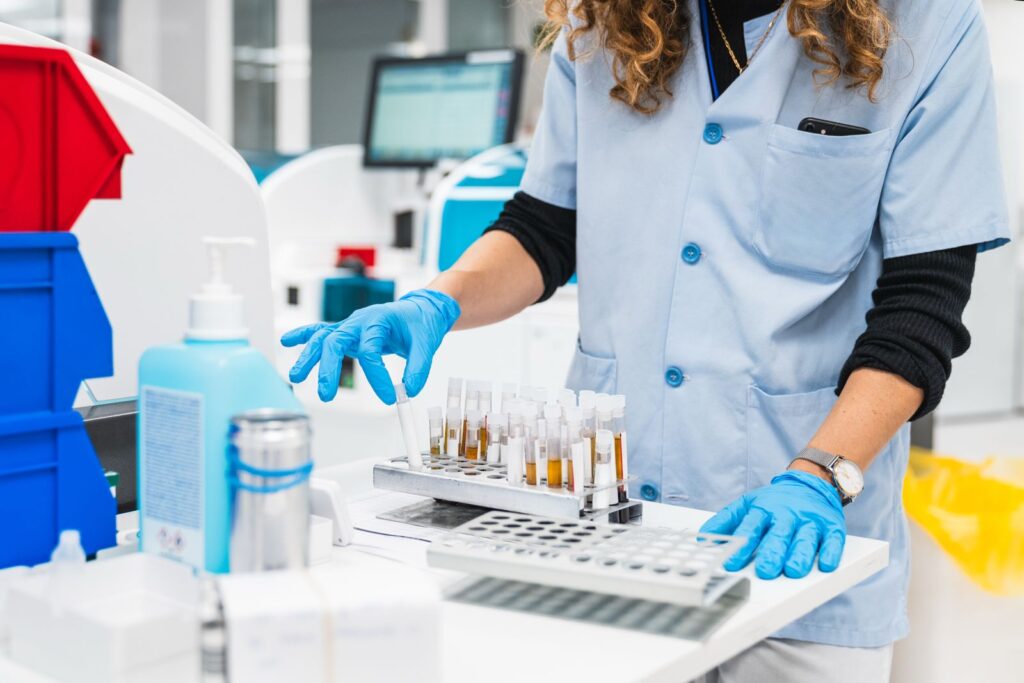
Accurate diagnosis begins with labs drawn in the early morning, ideally between 7 AM and 10 AM. Ask for the following tests:
- Total testosterone (primary screening test)
- Free testosterone or calculated free testosterone
- Sex hormone binding globulin (SHBG)
- Luteinizing hormone (LH) and follicle-stimulating hormone (FSH)
- Prolactin if libido is low or if total T is very low
- Complete blood count (CBC) including hematocrit
- PSA and digital rectal exam per provider discretion for men over 40
- Basic metabolic panel and lipid profile
Common interpretation rules are:
- Total testosterone consistently below about 300 ng/dL is commonly considered low in adult men. Labs vary, so compare to the lab reference range and clinical picture.
- Low LH with low T suggests secondary hypogonadism, where the brain is not signaling the testes properly.
- High LH with low T suggests primary testicular failure.
Treatment Options: Protocols, Dosing, and What to Expect
Treatment choice depends on goals: symptom relief versus fertility preservation. Below are commonly used options with practical examples.
Testosterone Injections
Injections are the most widely used method. Typical protocols include:
- Testosterone cypionate or enanthate: 50-200 mg weekly or 100 mg twice weekly to maintain steady levels.
- Patients often start at 75-100 mg weekly and titrate based on symptoms and labs.
Improvements in energy and libido usually start within 2-6 weeks. Expect muscle gains and fat loss to develop over 3-6 months with concurrent resistance training.
Topical Gels and Patches
Gels deliver daily dosing such as 5-10 mg/day of testosterone. They are convenient but require daily application and careful skin-contact precautions to avoid transferring testosterone to others.
Pellet Therapy
Pellets are implanted every 3-6 months and release testosterone steadily. They require a minor office procedure and can be a good choice for men who prefer less frequent dosing.
HCG for Fertility Preservation
If you plan to preserve fertility or maintain testicular size, add human chorionic gonadotropin (HCG). Typical regimens are 250-500 IU given 2-3 times weekly. HCG mimics LH and stimulates the testes to produce intratesticular testosterone, which helps maintain sperm production. Your clinician can adjust dosing based on sperm analysis and hormone levels.
Monitoring and Safety: Labs, Timing, and Side Effect Management
Monitoring keeps therapy both safe and effective. A practical schedule includes:
- Baseline labs before starting therapy
- Recheck testosterone and hematocrit at 4-6 weeks after initiation or dose change
- Then recheck at 3 months, 6 months, and every 6-12 months thereafter
Watch for these issues and how to handle them:
- Erythrocytosis: hematocrit above 52-54% requires dose reduction, spacing injections, or periodic phlebotomy.
- Raised PSA: refer to urology for evaluation if PSA rises or if there are concerning symptoms.
- Fertility loss: presume reduced sperm production with exogenous testosterone unless HCG or alternative strategies are used.
Natural and Lifestyle Strategies to Boost Testosterone
Combine medical treatment with lifestyle changes for the best outcomes. Effective strategies include:
- Resistance training 3-4 times weekly and high-intensity interval training 2 times weekly
- Prioritize 7-9 hours of sleep per night and maintain consistent sleep schedules
- Lose excess weight; a 5-10 percent weight loss can meaningfully raise testosterone
- Correct vitamin D deficiency and ensure adequate zinc intake if deficient
- Limit alcohol, manage stress, and avoid medications that suppress testosterone when possible
How to Find Care in California
California has many licensed clinics and telemedicine services that specialize in male hormone health. For convenience:
- Use telehealth visits for initial assessments and follow-ups when available.
- Order labs through LabCorp or Quest Diagnostics, which have numerous California locations.
- Confirm that the prescribing clinician is licensed in California and that the clinic follows monitoring best practices.
Bring a copy of your labs and a written symptom timeline to your appointment. This helps the clinician make individualized recommendations quickly.
Example Patient Journey
Mark is a 45-year-old man in Sacramento who reported fatigue, low libido, and weight gain. Morning labs showed total testosterone 220 ng/dL and low-normal LH. After discussing goals, his clinician started testosterone injections 100 mg weekly plus HCG 500 IU twice weekly to preserve fertility. At 6 weeks his energy improved and at 3 months his testosterone was 560 ng/dL with hematocrit 48 percent. He continues physical training and regular lab follow-up.
Frequently Asked Questions
What testosterone level is considered low in men?
Values vary by lab, but total testosterone consistently below about 300 ng/dL is commonly used as a threshold for low testosterone in adult men. Clinical symptoms must accompany low lab values for a diagnosis, and repeat morning tests help confirm results.
Will TRT make me infertile?
Exogenous testosterone commonly suppresses sperm production and can reduce fertility. If preserving fertility is important, discuss adding HCG or using alternative therapies that stimulate natural testosterone production.
How quickly will I feel better on TRT?
Many men notice improved libido and energy within 2-6 weeks, while muscle gains and fat loss become clearer over 3-6 months. Individual response varies by dose, form of therapy, and lifestyle factors.
Is TRT safe long term?
When monitored appropriately, TRT is safe for many men, but it requires ongoing lab checks for hematocrit and PSA and attention to cardiovascular health. Work closely with a clinician to manage risks and adjust therapy as needed.
Can I use TRT if I have a history of prostate cancer?
TRT is generally not recommended for men with active or recent prostate cancer. A urology consultation is necessary to weigh risks and consider alternatives under specialist guidance.
How do I choose between injections, gels, or pellets?
Choice depends on lifestyle, tolerance for procedures, and cost. Injections offer steady control and flexibility, gels are convenient daily options, and pellets reduce dosing frequency but require minor surgery for placement.
Conclusion
Low testosterone is a treatable condition that can significantly improve quality of life when diagnosed and managed properly. Start with a symptom checklist and morning labs, then work with a licensed California clinician to choose the right therapy and monitoring plan. Combine medical treatment with targeted lifestyle changes for durable results and improved long-term health.
Disclaimer
This blog is for informational and educational purposes only and does not constitute medical advice, diagnosis, or treatment. The content provided is based on general health information and research available as of the publication date. Individual health conditions vary, and what works for one person may not be appropriate for another.
Always consult with a qualified healthcare provider before starting any new treatment, including testosterone replacement therapy (TRT), making changes to existing treatments, or if you have questions about your specific health condition. Never disregard professional medical advice or delay seeking it because of information you read on this blog.
If you are experiencing a medical emergency, call 911 or your local emergency services immediately. The information on this website does not create a doctor-patient relationship and should not be used as a substitute for professional medical advice, diagnosis, or treatment.